
Children’s hospices across the United Kingdom are increasingly being forced to reduce essential services as rapidly escalating operating costs continue to outstrip funding from the NHS and local authorities, according to a new nationwide report released by the charity Together for Short Lives.
Published to coincide with Children’s Hospice Week (15–21 June), the report, Vital Care, Fragile Funding: Why Children’s Hospices Can’t Keep Filling the Gap, paints a concerning picture of a sector struggling to meet growing demand while facing widening financial deficits. The charity warns that without urgent government intervention, the ambition of ensuring equitable access to high-quality palliative care for every child who needs it will become increasingly difficult to achieve.
Rising Costs Place Unprecedented Pressure on Children’s Hospices
The report reveals that children’s hospices experienced an average 18% increase in operating costs during the 2025/26 financial year compared with the previous year. A substantial proportion of this expenditure relates to specialist clinical services that would otherwise fall under the responsibility of the NHS.
According to Together for Short Lives, one of the principal factors driving higher costs is the growing number of children surviving longer with highly complex medical conditions. Advances in medicine have enabled many children with life-limiting illnesses to live longer than ever before, but this has also created greater demand for specialist nursing, advanced medical technologies, symptom management, and multidisciplinary clinical support.
Providing this level of specialist care requires highly trained professionals, specialised equipment, and continuous support for families, all of which have significantly increased operational expenses for hospice providers.
NHS Funding Fails To Keep Pace With Demand
Despite mounting costs and increasing demand, financial support from local NHS organisations has failed to keep pace.
In England, funding from Integrated Care Boards (ICBs) increased by only 4% during 2025/26, leaving hospices responsible for absorbing the majority of rising costs through charitable fundraising and financial reserves.
Together for Short Lives argues that this imbalance has created an unsustainable funding model that places enormous pressure on organisations delivering essential palliative and end-of-life care for children and young people with serious illnesses.
Nick Carroll, Chief Executive of Together for Short Lives, said current funding arrangements continue to disadvantage children’s hospices and the families who rely on their services.
He warned that access to specialist palliative care remains heavily dependent on geographical location, resulting in significant inequalities across the country. As demand becomes increasingly complex, he said, the absence of fair and sustainable funding is moving England further away from the Government’s objective of delivering equitable, high-quality palliative and end-of-life care tailored to the needs of patients and their families.
Regional Funding Disparities Create ‘Postcode Lottery’
The report also highlights striking regional disparities in NHS funding for children’s hospice care.
During the 2025/26 financial year, NHS Shropshire, Telford and Wrekin Integrated Care Board allocated an average of £407 per child or young person living with a serious illness, while NHS Northamptonshire Integrated Care Board provided just £32 per child.
The charity describes these variations as evidence of an ongoing “postcode lottery,” where access to properly funded hospice services depends largely on where families live rather than the complexity of their child’s medical needs.
Such inconsistencies have left many hospice providers increasingly reliant on charitable donations to sustain services that would otherwise be delivered through statutory healthcare funding.
Charitable Donations Continue To Shoulder Most Of The Burden
Financial data collected from participating hospices reveals the scale of the challenge facing the sector.
Approximately 60% of responding hospices reported ending the 2025/26 financial year with an operating deficit, highlighting the growing gap between income and expenditure.
The report estimates that for every £1 contributed by the NHS and local councils in England, children’s hospices now provide almost £4 worth of care and support, with the majority funded through charitable income, community fundraising, and philanthropic donations.
Together for Short Lives warns that such reliance on voluntary contributions is no longer sustainable, particularly as operating costs continue to rise year after year.
Essential Services Being Reduced Across The UK
As financial pressures intensify, an increasing number of children’s hospices have been forced to reduce key services that many families depend upon.
The report found that:
33% of children’s hospices have reduced respite or short-break services.
15% have scaled back hospice-at-home care.
11% have reduced end-of-life care services.
These reductions have significant consequences for families caring for children with life-limiting conditions.
Fewer respite opportunities mean parents and carers receive less practical support during exceptionally demanding circumstances, while reductions in home-based care can place additional emotional and physical strain on families already managing complex medical needs.
The charity warns that such service reductions may ultimately deprive families of valuable opportunities to spend meaningful time together during a child’s life while also reducing access to specialist bereavement support following a child’s death.
Family Shares Personal Experience Of Hospice Care
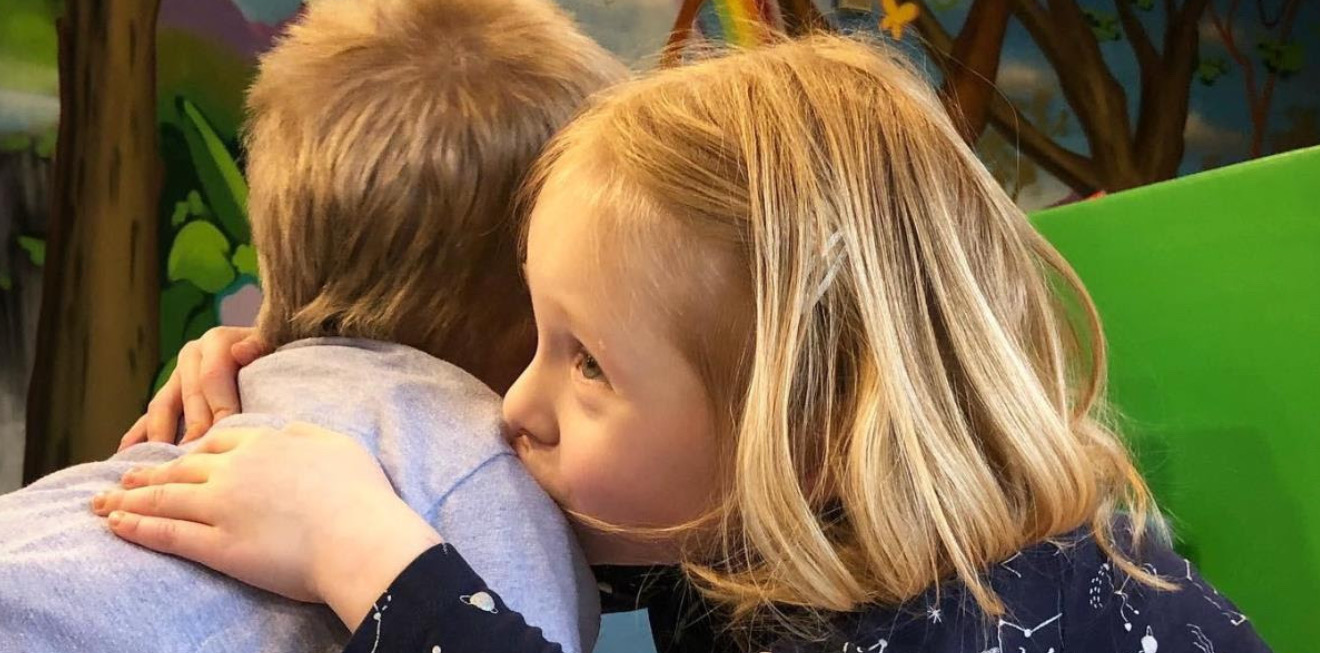
The report also includes the story of Noah and his family, illustrating the profound role children’s hospices play in supporting families facing life-limiting illnesses.
Noah was born a healthy twin alongside his sister, Ella. At the age of three, doctors diagnosed him with an inoperable brain stem tumour, fundamentally changing the family’s future.
Throughout Noah’s illness, Little Havens Children’s Hospice in Essex provided comprehensive care, offering symptom management, emotional support, recreational activities, counselling, and respite for the entire family.
His mother, Kat, recalled how the hospice enabled Noah and Ella to enjoy experiences including hydrotherapy sessions, sensory activities, music therapy, outdoor gardens, and play facilities while creating lasting family memories during an extraordinarily difficult period.
As Noah’s condition deteriorated, hospice staff assumed responsibility for his medical care, allowing his parents to focus on spending precious time together as a family.
Following the tumour’s progression, Noah died on 3 May 2020, aged four, surrounded by his loved ones.
The hospice’s support extended beyond Noah’s death, with specialist counselling continuing for both parents and his twin sister, Ella, helping the family navigate bereavement and emotional recovery.
His father, Nick, reflected on the lasting value of the memories created at Little Havens, describing them as priceless and made possible through charitable support.
Charity Calls For Immediate Government Action
During a parliamentary reception hosted in Westminster by the All-Party Parliamentary Group for Children Who Need Palliative Care, Together for Short Lives presented its findings to MPs and urged ministers to take immediate action.
While welcoming the Government’s commitment of £80 million for children’s hospices through 2029, alongside £125 million in capital funding for adult and children’s hospices, the charity argues that these measures alone are insufficient to address the growing financial crisis.
Together for Short Lives is calling on ministers to fully fund children’s hospice clinical care each year, close the estimated £310 million funding gap in children’s palliative care, and provide greater financial support to NHS organisations responsible for commissioning these essential services.
The charity warns that without sustained investment, increasing numbers of children’s hospices may be forced to reduce services further, placing additional pressure on already overstretched NHS hospitals while leaving vulnerable children and their families with diminished access to specialist care during some of the most challenging moments of their lives.