
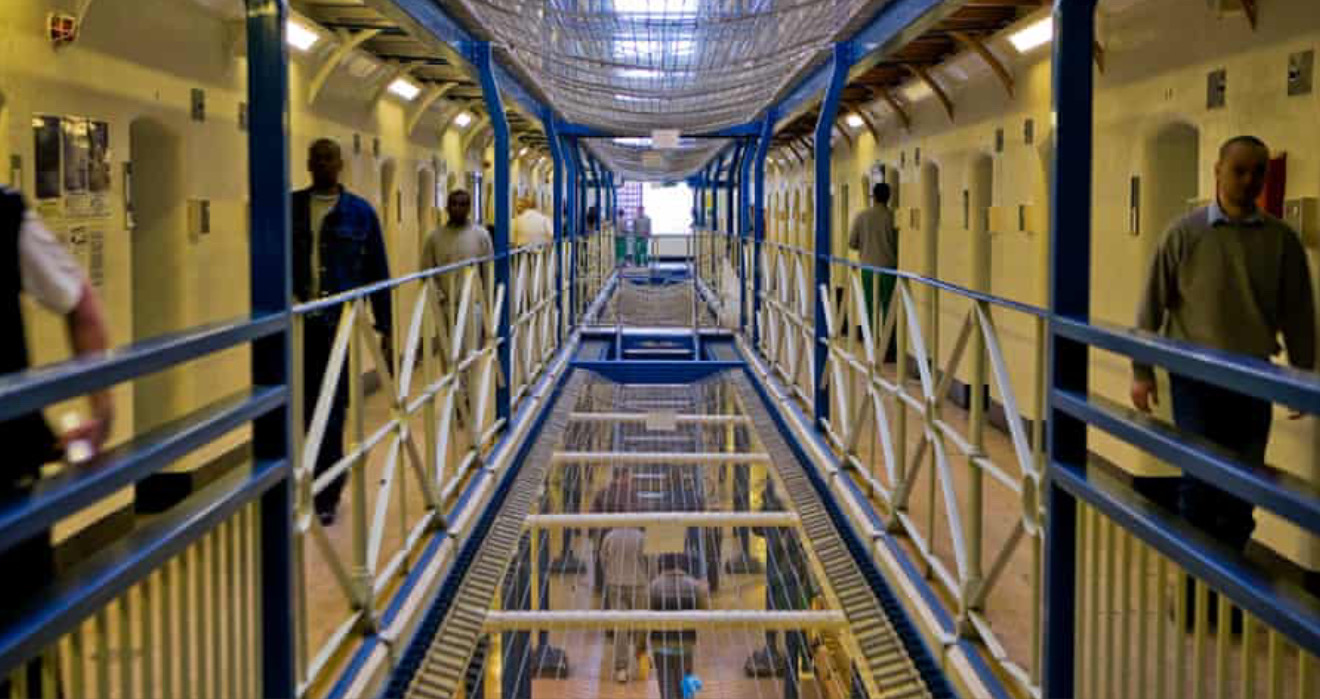
The UK government’s controversial proposal to introduce an early release scheme for thousands of prisoners could still be implemented later this year, despite being temporarily suspended following widespread criticism from victims’ groups and growing concerns from probation officers. Although Prime Minister Andy Burnham has ordered an urgent review of the policy to ensure public safety remains the overriding priority, officials acknowledge that the severe overcrowding crisis across prisons in England and Wales leaves the government with limited alternatives.
The proposed scheme, which was originally scheduled to begin in September, would initially affect around 700 prisoners before expanding to approximately 6,000 eligible inmates under reforms introduced through the Sentencing Act 2026. The temporary suspension has provided ministers with additional time to reassess the policy, but insiders suggest that a modified version of the plan remains the most realistic solution given the continuing pressure on the prison estate.
Public Safety Review Follows Strong Opposition From Victims
The review was announced after mounting criticism from victims’ representatives, campaigners, and families of crime victims, many of whom argued that the policy could undermine public confidence in the justice system.
One of the most vocal critics has been Debbie Adlam, the mother of murdered police officer Andrew Harper. She condemned the possibility that two of her son’s killers, Jessie Cole and Albert Bowers, could benefit from the revised sentencing arrangements. Describing the proposal as “another letdown” for her family, Adlam argued that allowing offenders convicted in such serious cases to qualify for early release would send the wrong message to victims across the country.
Responding to the backlash, Burnham confirmed that the government had halted implementation of the scheme while a comprehensive review is carried out.
He stated that no prisoners would be released under the new policy until ministers had completed a detailed assessment designed to minimise risks to public safety. He also stressed that the government would not hesitate to introduce changes wherever necessary before the reforms take effect.
Prison Overcrowding Leaves Ministers With Few Alternatives
Despite the political controversy surrounding the proposal, officials continue to warn that prisons across England and Wales are operating dangerously close to full capacity. Without additional measures to ease overcrowding, government forecasts suggest the prison system could effectively run out of available places by November.
The administration has shown little interest in relying on emergency contingency measures such as using police cells to accommodate prisoners, except during exceptional circumstances. As a result, many experts believe that abandoning the early release policy altogether would be difficult without creating a more significant crisis within the prison system.
For that reason, government sources suggest the most likely outcome is a revised version of the scheme rather than its complete cancellation. Potential amendments could involve excluding specific categories of offenders from eligibility while allowing lower-risk prisoners to continue benefiting from earlier release.
Eligibility Rules May Be Revised
Although ministers have not confirmed what changes could be introduced, officials have declined to rule out stricter eligibility criteria.
Among the options reportedly being considered are preventing offenders convicted of crimes against emergency workers, including police officers, from qualifying for early release. Similar restrictions could also be extended to individuals convicted of offences involving violence against women and girls.
Justice Secretary Alex Norris acknowledged that the government required additional time to examine the proposals carefully before making a final decision.
Speaking to reporters, Norris said the temporary pause would allow ministers to ensure that any revised policy balances prison capacity pressures with the responsibility to protect the public. He emphasised that the government was determined to implement reforms correctly rather than rushing into decisions with long-term consequences.
Probation Officers Warn of Operational Disruption
While ministers review the policy, probation officers have warned that uncertainty surrounding the scheme has already created significant operational challenges.
According to the probation union Napo, confusion has spread throughout both the Prison Service and probation teams as staff await clear guidance on whether preparations should continue.
National officer Tania Bassett said the union had sought clarification from prison authorities regarding ongoing preparations, only to learn that implementation had been suspended pending the government’s review.
Bassett warned that the lack of certainty risks disrupting critical pre-release planning, potentially delaying important work that ensures offenders can be safely managed once they return to the community.
She criticised the government’s handling of the situation, arguing that ministers must provide decisive leadership on issues involving public protection rather than allowing uncertainty to continue.
Extensive Planning Required Before Prisoners Can Be Released
Probation professionals have highlighted that preparing offenders for release involves an extensive process that normally takes between six and eight weeks.
Before any prisoner leaves custody, probation officers must complete detailed risk assessments, arrange suitable accommodation where necessary, conduct home visits, coordinate with victim liaison teams, engage domestic abuse specialists where appropriate, and develop safeguarding strategies involving multiple public agencies.
In addition, arrangements for electronic monitoring require considerable preparation, with tagging equipment needing to be installed and tested before offenders move into approved accommodation.
Union representatives warn that unless probation staff receive immediate confirmation regarding which prisoners remain eligible under any revised scheme, many carefully prepared release plans could collapse, creating additional pressure across already stretched services.
Prison Managers Face Growing Administrative Challenges
The uncertainty has also affected prison governors and administrators responsible for calculating revised release dates ahead of the planned September implementation.
Managers must prepare schedules several weeks in advance, making it increasingly difficult to organise prison populations without clear policy direction from central government.
The continuing review has therefore generated uncertainty not only for prisoners and victims but also for the frontline professionals responsible for delivering the reforms safely and efficiently.
Sentencing Act Introduces Major Changes to Release Rules
The proposed reforms stem from the Sentencing Act 2026, which replaces the longstanding system of automatic halfway release for prisoners serving standard determinate sentences with a new earned progression model.
Under the legislation, most eligible prisoners would become entitled to release after serving one-third of their custodial sentence, provided they demonstrate good behaviour while in prison. The remainder of their sentence would be completed in the community under strict licence conditions, including electronic monitoring and intensive probation supervision.
Prisoners serving sentences for serious violent or sexual offences, who are currently eligible for automatic release after serving two-thirds of their sentence, could instead qualify for release at the halfway stage if they maintain satisfactory conduct throughout their imprisonment.
This provision would apply to Albert Bowers and Jessie Cole, both sentenced to 13 years’ imprisonment for the 2020 manslaughter of PC Andrew Harper. However, Burnham confirmed that Henry Long, identified as the principal offender in the case, would remain excluded from any early release under the proposed arrangements.
Victims Continue to Demand Further Reform
Although the government’s decision to pause implementation has been welcomed by some campaigners, victims’ groups argue that additional reforms remain necessary.
Debbie Adlam described the temporary suspension as an encouraging first step but insisted that it does not resolve wider concerns surrounding the proposed legislation.
She urged ministers to explore alternative solutions that both address prison overcrowding and preserve confidence in the criminal justice system, emphasising that the impact of the proposed reforms extends far beyond a single case and affects countless victims and families across the country.
As ministers continue their review, the government faces the difficult challenge of balancing public safety, prison capacity, and confidence in the justice system. With overcrowding pressures intensifying and operational planning already underway, the coming weeks are expected to determine whether the early release scheme proceeds in its original form, undergoes substantial revision, or is delayed once again.
