
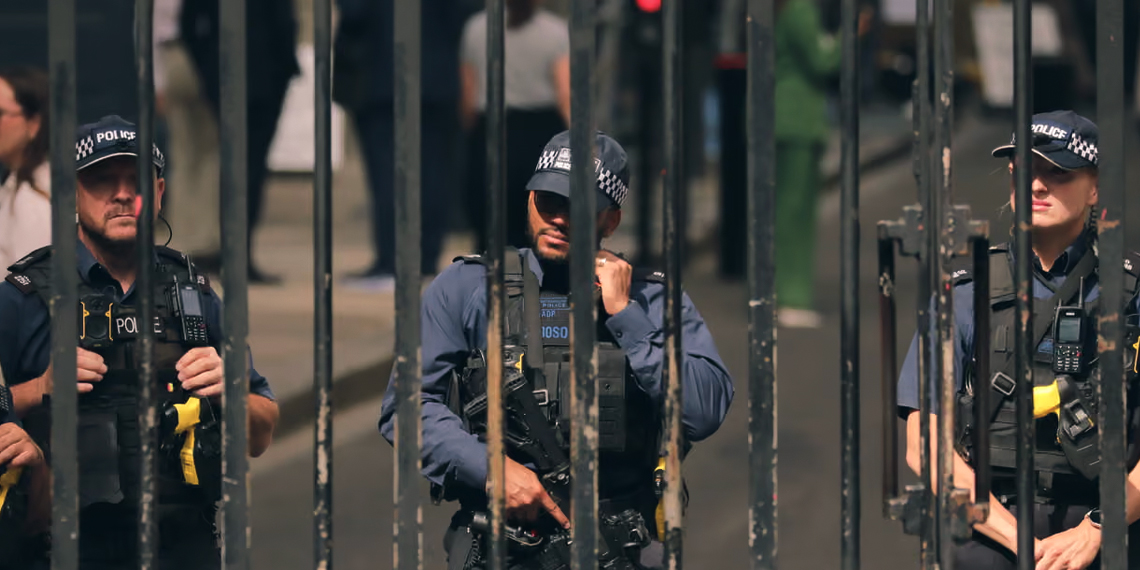
Staff working for MPs are calling for urgent improvements to security after new research revealed widespread abuse, threats and physical attacks against parliamentary employees.
A survey of more than 500 MPs’ staff found that 78% had received threatening messages or communications, while almost one in three said they feared for their own safety or that of their colleagues.
The findings come as Prime Minister Andy Burnham prepares to launch a review of MPs’ security following the murder of former Conservative minister and Reform UK spokesperson Ann Widdecombe earlier this month.
The survey found that 30% of MPs’ staff said they “frequently, very frequently or always” feared for their own safety or that of colleagues, up from 18.7% five years ago.
Staff also reported increasing levels of abuse. Seventy-three respondents said they were “very frequently or frequently” subjected to racist or prejudiced language from visitors, while a further 188 said they experienced such abuse occasionally.
One in four respondents said they had felt pressure, at least sometimes, to comply with requests that could compromise their personal safety.
The research was carried out by psychologist Dr Ashley Weinberg of the University of Salford on behalf of the Westminster-based Wellness Working Group (WWG), which represents MPs’ staff.
According to the report, around half of parliamentary staff are now experiencing clinical levels of psychological distress—the highest level recorded since the survey began in 2021.
The WWG described the increase as “significant and sudden”, adding: “It is clear the most significant issues driving distress at this current moment come from unsustainable workloads and that staff are routinely exposed to abuse, racist and sexist language, suicide threats, traumatic disclosures and threats of violence.”
Although many respondents said Parliament had listened to their concerns, others felt security arrangements continued to prioritise MPs over their staff.
Seventeen respondents said none of the safety recommendations they had made to their MP had been implemented, while 59 said only some measures had been introduced.
The WWG is calling for parliamentary authorities to be given greater powers to enforce security improvements, particularly where MPs or office managers fail to implement recommended measures.
The group said: “Security arrangements should routinely extend to MPs’ staff as though the MP is present … The urgent need for this provision is emphasised by the role of staff members already acting as a proxy for their MP.”
One staff member reported being physically attacked twice in the past year, while another said: “It has been made clear that the security operatives are only there to protect the MP.”
Another employee added: “Not being able to have security unless the MP is present is so wrong.”
“Staff are out in the community representing the MP.”
“Most people don’t know what the MP looks like and often think staff members are the MP. We should be allowed security when doing outreach sessions in the community.”
Responding to the findings, a House of Commons spokesperson said Parliament recognised staff concerns and was working closely with the WWG to strengthen available support.
“The ability of members’ staff to carry out their roles safely, both on and off the parliamentary estate, is fundamental to our democracy. Abuse and intimidation are completely unacceptable.”