
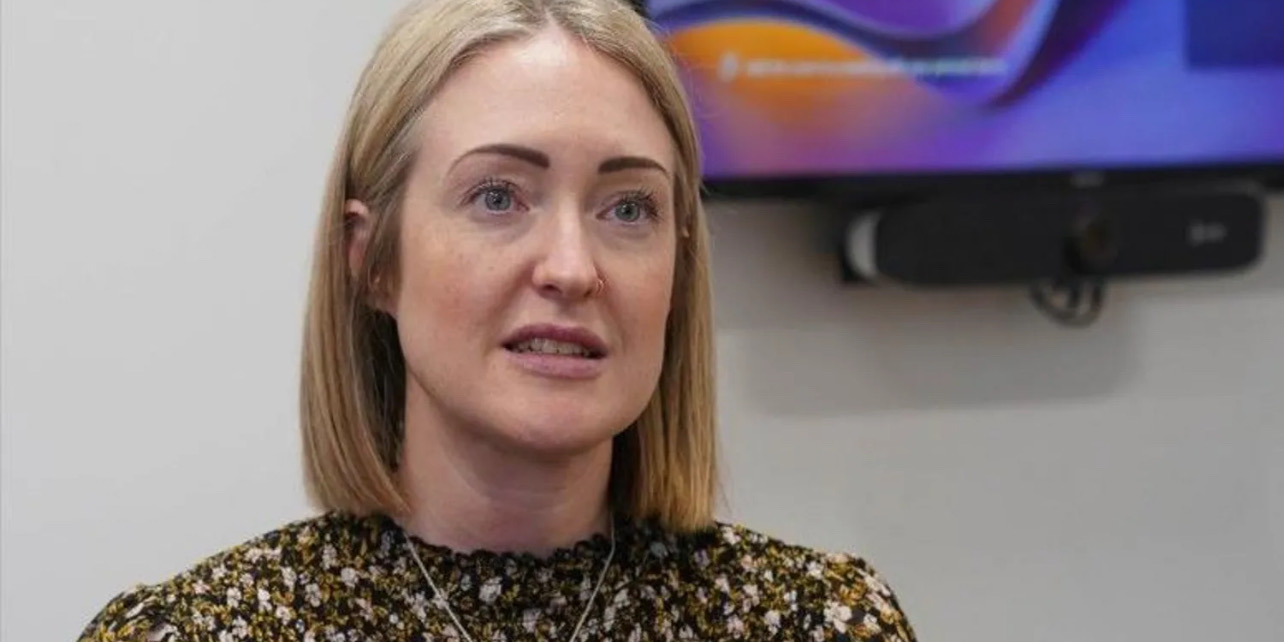
Two bereaved mothers have warned that any delay in introducing a ban on social media for under-16s in the UK risks “more and more children being harmed”, following a decisive vote in the House of Lords to back restrictions similar to those introduced in Australia.
The intervention comes as the government faces mounting pressure to act after peers supported a cross-party amendment to the Children’s Wellbeing and Schools Bill that would prohibit children under 16 from accessing platforms such as TikTok, Snapchat, Instagram and Facebook.
Lords back under-16s social media ban
In a significant defeat for ministers, the House of Lords voted by 261 to 150 in favour of the amendment, giving it a majority of 111. The move means the legislation will now return to the House of Commons, where MPs must decide whether to accept or overturn the proposal.
The vote follows Australia’s decision last year to become the first country to impose a nationwide ban on social media access for under-16s, a policy that has intensified debate in the UK over online safety, mental health and the role of tech companies.
Parents warn of “urgent” risks to children
Esther Ghey, whose 16-year-old daughter Brianna was murdered in a Cheshire park in February 2023 after being targeted and groomed through social media, said delays in action were putting more young people at risk.
“While we are waiting, more and more children are being harmed,” she told the BBC’s Sunday with Laura Kuenssberg. “The last two years of Brianna’s life were full of suffering. We know hundreds of children are referred to mental health services every day, and nearly all 12-year-olds now have smartphones. We need to act now.”
Ghey has previously spoken about how Brianna’s heavy use of social media, including a desire to become famous on TikTok, contributed to isolation and mental health struggles.
Another bereaved parent, Ellen Roome from Gloucestershire, whose son Julian “Jools” Sweeney died after taking part in a dangerous online challenge, said the government’s approach of consultation and caution was failing families.
“How much longer are we going to allow unregulated access?” she said. “If this were any other product harming children, it would be taken off the market immediately.”
Government consultation and Ofcom’s role
Technology Secretary Liz Kendall has announced a three-month consultation to assess the impact of a potential ban, including options such as overnight curfews, stronger age verification and measures to curb addictive algorithms and “doom-scrolling”. The government is expected to publish its conclusions in the summer.
Ofcom, the UK’s online safety regulator, said it had already launched more than 90 investigations into platforms since gaining new powers last year under the Online Safety Act. The regulator said age-verification systems, content moderation and action against child sexual abuse material had improved, but acknowledged more work was needed.
Industry and expert concerns
Major technology firms, including Meta, have said they support stronger protections for children but argue that a blanket ban may not be the most effective solution. Some child-safety charities and digital rights groups have also warned that bans could push young people towards unregulated platforms, while others say firm age limits are the only way to reduce exposure to harmful content.
The UK debate is now closely tied to the outcome of Australia’s policy, which is being monitored by governments across Europe and North America as a potential model for tackling online harms.
With MPs set to revisit the issue in the Commons in the coming weeks, campaigners say the decision could mark a turning point in how Britain regulates social media and protects children online.