
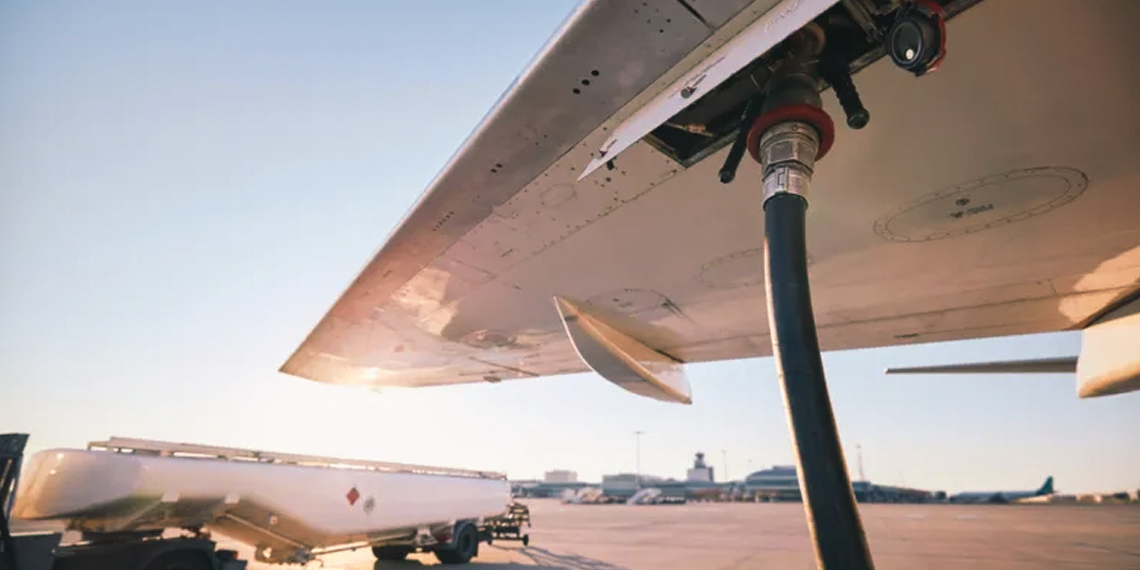
The United Kingdom has reaffirmed its commitment to tightening economic pressure on Russia by announcing a definitive timeline to eliminate imports of diesel and jet fuel produced from Russian crude oil. Under the latest sanctions framework, the UK government has pledged to end all imports of such fuel products by 1 January 2027, marking a significant step in its broader strategy to reduce Moscow’s energy revenues and support Ukraine amid the continuing conflict.
The decision forms part of the UK’s evolving sanctions regime against Russia and reflects a wider effort by Western allies to restrict the financial resources available to the Kremlin. While Britain had previously introduced measures targeting Russian energy exports, the latest commitment establishes a clear deadline for ending imports of refined fuel products that originate from Russian crude but are processed in third countries before entering the UK market.
New Measures Target Indirect Russian Oil Trade
The announcement follows government measures introduced earlier this year that sought to gradually phase out diesel and aviation fuel refined outside Russia using Russian crude oil. At the time, ministers argued that a degree of flexibility was necessary due to ongoing volatility in global energy markets and concerns surrounding fuel supply security.
Under the current arrangements, a temporary licence permits the import of certain fuel products linked to Russian crude. However, the government has now confirmed that this licence will expire no later than the beginning of 2027.
Officials stressed that the licence remains under continuous review and could be withdrawn before the deadline if market conditions allow. Reviews will reportedly take place every two weeks to assess global supply chains and determine whether earlier implementation is feasible.
The move is intended to strike a balance between maintaining domestic energy stability and reinforcing sanctions designed to constrain Russia’s economic capacity.
UK Reaffirms Commitment to Supporting Ukraine
Trade Minister Chris Bryant described the decision as a clear demonstration of the government’s determination to maintain pressure on Moscow.
According to ministers, the phase-out sends a strong signal that the UK remains committed to strengthening sanctions while continuing to support Ukraine’s sovereignty and territorial integrity.
Government officials argue that restricting access to international energy markets remains one of the most effective non-military tools available to weaken Russia’s ability to finance its military operations.
Foreign Office Minister Stephen Doughty stated that the measures would prevent refined oil products derived from Russian crude from reaching the UK through intermediary countries, thereby closing potential loopholes within the sanctions regime.
The government maintains that these restrictions are part of a broader international effort to reduce Russia’s ability to generate revenue from energy exports while preserving stability in domestic fuel markets.
Global Energy Market Challenges Influence Policy Decisions
The timing of the announcement comes against a backdrop of heightened uncertainty in global energy markets.
Recent geopolitical tensions in the Middle East, particularly involving Iran, Israel, and the wider Gulf region, have contributed to significant fluctuations in oil prices. Concerns over disruptions to shipping routes through the Strait of Hormuz—a critical artery for global energy supplies—have heightened fears of supply shortages and increased market volatility.
Before these tensions intensified, Brent crude oil, the global benchmark for oil prices, traded at approximately $70 per barrel. However, prices subsequently surged amid concerns regarding reduced supply and potential disruptions to international trade flows.
These market dynamics have complicated efforts by governments to implement stricter energy sanctions, as policymakers seek to avoid unintended consequences for consumers and businesses already facing elevated energy costs.
The UK government has therefore sought to balance geopolitical objectives with practical considerations surrounding fuel availability and economic stability.
Critics Question Timeline of Fuel Import Ban
Despite the government’s assurances, the decision has attracted criticism from campaigners and advocates of tougher sanctions against Russia.
Critics argue that allowing imports of fuel derived from Russian crude to continue until 2027 effectively provides Moscow with additional revenue at a time when Western governments are simultaneously investing billions in support for Ukraine.
Among the most vocal critics is financier and anti-corruption campaigner Sir Bill Browder, a longstanding critic of Russian President Vladimir Putin.
Browder argued that continuing to permit imports of fuel linked to Russian oil sends mixed signals and undermines broader efforts to weaken Russia’s war economy. He contended that every purchase of products derived from Russian crude ultimately contributes to the Kremlin’s financial resources.
Such criticisms reflect broader debates among policymakers and analysts regarding the speed and effectiveness of sanctions enforcement across Europe and the wider international community.
European Allies Push for Stronger Sanctions
The UK’s approach has also drawn scrutiny from European partners.
Following earlier announcements regarding the gradual phase-out of Russian-derived fuel products, some European officials expressed concern that exemptions and transitional arrangements could dilute the effectiveness of sanctions.
The European Union has consistently advocated maintaining maximum pressure on Russia and has repeatedly emphasized the importance of avoiding measures that could weaken collective efforts to reduce dependence on Russian energy.
Nevertheless, UK ministers insist that the new deadline demonstrates a firm commitment to ending indirect imports while ensuring a managed transition that protects domestic energy security.
Long-Term Implications for UK Energy Policy
The decision underscores a broader transformation in UK energy policy since the outbreak of the Russia-Ukraine conflict. Britain has accelerated efforts to diversify energy supplies, strengthen energy security, and reduce reliance on geopolitical rivals.
As governments across Europe continue to reassess energy supply chains, the UK’s planned ban on Russian-derived diesel and jet fuel represents another significant milestone in the restructuring of international energy trade.
With the January 2027 deadline now established, businesses involved in fuel imports, refining, and distribution will be expected to adapt supply arrangements accordingly. The measure is likely to have implications for energy procurement strategies, aviation fuel sourcing, and broader trade relationships within global energy markets.
Ultimately, the policy reflects Britain’s intention to maintain economic pressure on Russia while navigating the complex realities of global energy supply and geopolitical uncertainty. As the conflict in Ukraine continues, sanctions remain a central component of the UK’s foreign policy response, with further measures potentially under consideration as international efforts to isolate Moscow evolve.