
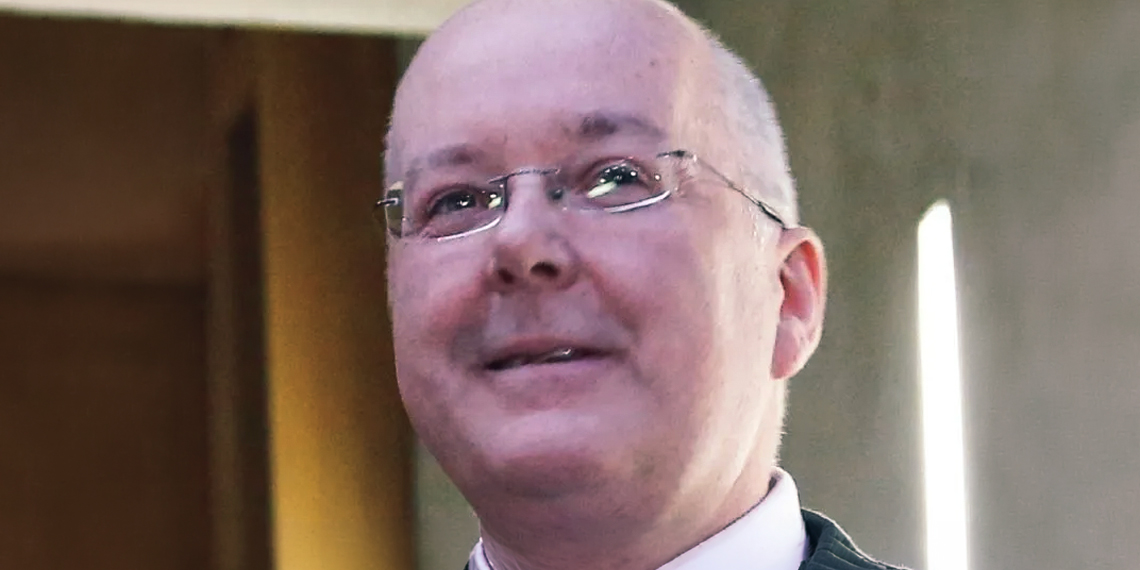
Former Scottish National Party (SNP) chief executive Peter Murrell has pleaded guilty to embezzling more than £400,000 from party funds, bringing one of the most significant political scandals in modern Scottish history to a dramatic turning point. The admission has intensified scrutiny of the SNP’s internal governance, financial oversight, and future political standing, while reigniting debate about the broader implications for Scotland’s independence movement.
Murrell, who served as the SNP’s chief executive for more than two decades and is the estranged husband of former First Minister Nicola Sturgeon, entered a guilty plea before the High Court in Edinburgh on 25 May 2026. He admitted to embezzling £400,310.65 from party finances and was subsequently remanded into custody pending sentencing.
The case marks the culmination of years of investigations into the SNP’s finances and fundraising activities, which have significantly impacted the party’s reputation and political fortunes.
Long-Running Investigation Reaches Major Milestone
The embezzlement case is closely linked to Operation Branchform, the extensive Police Scotland investigation launched in 2021 to examine allegations surrounding the management of funds raised for Scottish independence campaigning.
Questions first emerged following fundraising initiatives launched by the SNP to support a potential second Scottish independence referendum. Concerns intensified after party accounts appeared to raise inconsistencies regarding the handling and reporting of funds that supporters believed had been ringfenced specifically for independence-related campaigning.
The controversy escalated further when scrutiny fell on financial disclosures within the party, including an undeclared loan made by Murrell to the SNP. These developments ultimately prompted police investigators to examine whether party funds had been managed appropriately and whether any criminal offences had occurred.
Operation Branchform became one of the most high-profile investigations in Scottish political history, attracting widespread public attention and placing the SNP under intense scrutiny during a critical period for both the party and the independence movement.
Arrests and Investigation Into SNP Finances
Police activity intensified in April 2023 when officers arrested Murrell at his residence in Uddingston, South Lanarkshire. Authorities simultaneously conducted searches of the property as well as SNP headquarters in Edinburgh.
The investigation subsequently expanded to include other senior figures connected to the party. Former SNP treasurer Colin Beattie and former First Minister Nicola Sturgeon were both arrested and questioned during the course of the inquiry. However, neither individual was charged, and both were later informed that no further action would be taken against them.
Murrell was later re-arrested and formally charged with embezzlement before being released pending legal proceedings.
Court documents revealed that funds belonging to the SNP had allegedly been used to finance a range of personal expenditures, including luxury vehicles, high-value watches, furniture purchases, and a motorhome that became a focal point of public and media attention during the investigation.
His guilty plea has now removed any uncertainty surrounding the central allegations against him and has confirmed the scale of financial misconduct involved.
Political Fallout Continues to Affect the SNP
The scandal has inflicted substantial damage on the SNP, both financially and politically.
Reports indicate that the party suffered significant financial losses as a result of the controversy, while membership numbers experienced a sharp decline. Thousands of members reportedly left the party during the height of the investigation, reflecting growing dissatisfaction among supporters and concerns regarding transparency and accountability.
Scottish First Minister and SNP leader John Swinney delivered a strongly worded response following Murrell’s admission of guilt. He described the actions as a betrayal of party members and supporters who had contributed financially in the belief that they were helping advance Scotland’s political future.
The case has generated widespread debate across Scotland, with many voters expressing disappointment that an organisation central to the independence movement became embroiled in such a serious financial scandal.
Political observers note that restoring trust among grassroots supporters may prove one of the party’s greatest challenges in the years ahead.
Impact on Public Confidence and Voter Sentiment
The scandal has raised broader questions about political accountability and public trust in institutions.
Critics argue that the case risks undermining confidence not only in the SNP but also in the wider political process. Many supporters who donated money to independence campaigns believed their contributions would directly support constitutional objectives rather than be diverted for personal use.
At the same time, early polling data suggests the political impact may not be as severe as some initially predicted. Surveys conducted after Murrell’s guilty plea indicate that the SNP continues to maintain a significant lead over rival parties in Scotland.
While polling figures should be interpreted cautiously, they suggest that many voters may distinguish between the actions of an individual and the broader political objectives of the party.
Nonetheless, analysts believe the scandal could continue to influence voter perceptions, particularly among undecided voters and former SNP supporters who may already have concerns regarding the party’s direction and leadership.
Implications for the Scottish Independence Movement
Perhaps the most significant question arising from the case concerns its impact on Scotland’s independence movement.
For many supporters, the SNP has long served as the principal political vehicle through which independence ambitions could be achieved. Any erosion of confidence in the party therefore carries potential consequences for the wider constitutional debate.
Some independence supporters have expressed frustration and disappointment, arguing that the scandal distracts from the movement’s broader goals and weakens its credibility among undecided voters.
Others, however, contend that support for independence extends beyond any single political party. They point to the growing presence of other pro-independence forces, including the Scottish Greens, as evidence that the constitutional debate remains active regardless of the challenges facing the SNP.
Recent calls within the Scottish Parliament for a second independence referendum further demonstrate that constitutional questions remain firmly embedded in Scottish political discourse, despite the controversy.
A Defining Moment for Scottish Politics
Peter Murrell’s guilty plea represents one of the most consequential moments in Scottish politics since devolution began in 1999. The admission confirms that substantial sums of party money were misappropriated and validates concerns that have dominated political headlines for several years.
While the full political consequences may take time to emerge, the case has undoubtedly left a lasting mark on the SNP and the wider independence movement. Rebuilding trust among members, supporters, and the Scottish public will require significant effort, transparency, and reform.
As Murrell awaits sentencing, the SNP faces the difficult task of moving beyond a scandal that has damaged its reputation, strained public confidence, and raised fundamental questions about governance, accountability, and leadership within one of Scotland’s most influential political institutions.