
Rwanda has launched international legal action against the UK, claiming it is owed hundreds of millions of pounds under the now-scrapped migrant relocation agreement agreed by the previous Conservative government.
The Rwandan government has filed a case with the Permanent Court of Arbitration (PCA) in The Hague, arguing that the UK failed to honour financial commitments under the asylum partnership treaty that was cancelled after Sir Keir Starmer’s Labour government took office in 2024.
Legal challenge over cancelled scheme
The Rwanda scheme, designed to deter Channel crossings by relocating asylum seekers to East Africa, was formally abandoned by the new government last year. At the time, the Home Office said future payments worth £220m would not be made, arguing the policy had failed and delivered poor value for money.
Downing Street said the government would “robustly defend” the case and protect taxpayers, describing the scheme as “a complete disaster” that cost around £700m and resulted in only four voluntary transfers.
Treaty commitments in dispute
Rwanda says the case concerns the UK’s failure to meet financial obligations set out in the bilateral treaty. The agreement included staged payments for economic support, as well as a further £120m linked to the planned transfer of 300 asylum seekers. By the end of 2024, the UK had already paid around £290m.
Under the treaty’s dispute resolution clause, unresolved disagreements must be referred to the PCA, whose rulings are legally binding. The case was formally registered in November and is currently listed as pending.
Political fallout in Westminster
The move has triggered fresh political rows in Britain. Shadow Home Secretary Chris Philp said the legal challenge was a direct result of Labour cancelling the scheme and warned taxpayers could now face a “huge bill”.
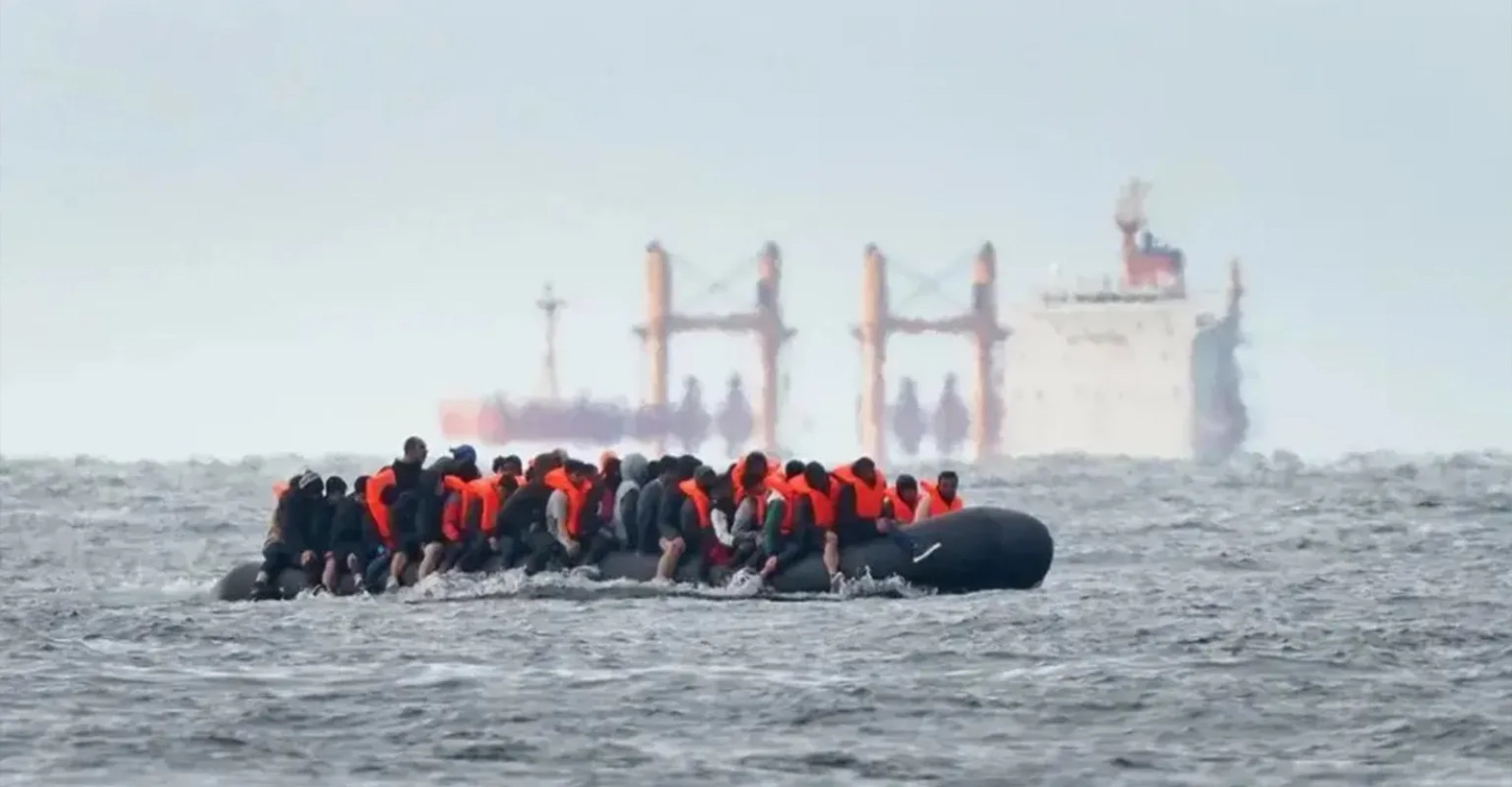
Labour ministers counter that the deal was unworkable, legally flawed and failed to deter dangerous small-boat crossings, which remain a central focus of the government’s new border and asylum strategy.
What happens next
The Permanent Court of Arbitration is expected to set a timetable for submissions from both sides. International arbitration cases can take months or even years to conclude.
The UK government has previously said it is examining whether any of the money already paid to Rwanda can be recovered. Rwanda, however, has insisted it is under no obligation to return funds and is seeking a ruling confirming its entitlement under international law.
The case marks the first major international legal dispute arising from the collapse of the Rwanda asylum policy, one of the most controversial elements of Britain’s recent immigration strategy.