
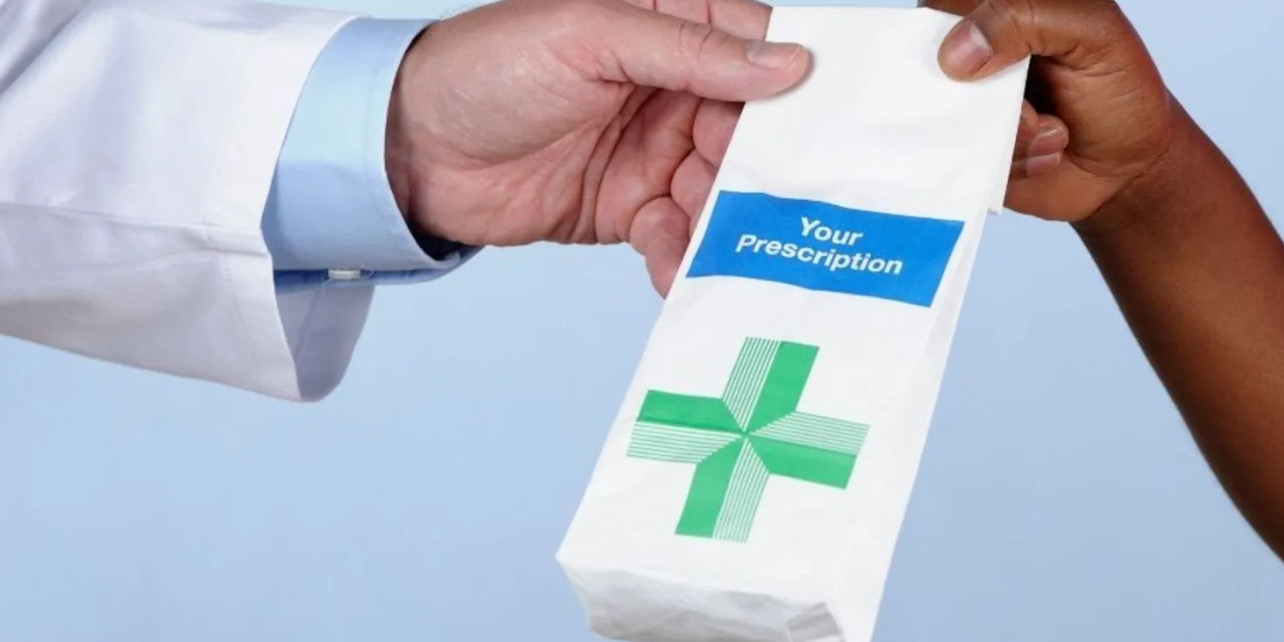
A growing Northern Ireland medicine shortage has prompted pharmacists to warn that essential painkillers such as prescription-strength co-codamol may need to be rationed for months, raising concerns over patient safety and added pressure on GP services.
Community Pharmacy NI has warned that supplies of co-codamol 30/500mg tablets are critically low and unlikely to recover in the short term. Around 50,000 packs, equivalent to nearly five million tablets, are dispensed every month across Northern Ireland, where the population is under two million, making any disruption particularly acute.
The Department of Health in Northern Ireland confirmed that co-codamol has now been added to the UK list of medicines that cannot be stockpiled or exported, a move designed to protect domestic supply during shortages.
Pharmacies facing mounting pressure
Community Pharmacy NI said community pharmacies are operating under sustained financial and logistical pressure. Its chief executive, Gerard Greene, said the widening gap between medicine costs and NHS reimbursement is leaving pharmacies struggling to pay wholesalers while still meeting patient demand.
Independent pharmacists say shortages are no longer limited to niche treatments. Dr Terry Maguire, who owns several pharmacies in Belfast, said supplies of common medicines such as co-codamol are becoming impossible to source. He described the situation as unacceptable, warning that pharmacies are being left without even the most basic drugs.
Over 100 medicines now in short supply
Representatives from Community Pharmacy NI told MLAs at Stormont that pharmacies are currently trying to source more than 100 commonly prescribed medicines that are in short supply. As a result, patients may experience delays, receive partial supplies, or be referred back to their GP for alternative treatments.
Pharmacists warned that this disruption increases workload for already stretched pharmacy teams and risks pushing more patients towards GP practices and out-of-hours services.
Northern Ireland at higher risk than Great Britain
Greene said medicine shortages are a UK-wide problem but present particular challenges in Northern Ireland due to its smaller market and higher distribution costs compared with Great Britain. He noted a sharp increase in the number of medicines affected, including widely used treatments such as low-dose aspirin and prescription pain relief.
He warned that without intervention, Northern Ireland risks becoming a lower-priority market for wholesalers, with serious implications for continuity of care and the resilience of the local health system.
Calls for action on medicine security
Community Pharmacy NI is urging the Northern Ireland health minister and the Executive to work with the UK government to strengthen medicine supply security. This includes ring-fencing stock for Northern Ireland to ensure patients continue to receive essential treatments.
Greene said failure to act would make shortages more frequent and severe, putting patient safety at risk and undermining confidence in community healthcare.
Rationing and patient advice
Pharmacists have warned that rationing may become unavoidable. Patients who would normally receive several months’ supply of medication may instead be given one month at a time to ensure fair distribution. In cases where medicines are unavailable, patients may need to return to their GP for an alternative prescription.
Pharmacy leaders have appealed for public patience and urged patients not to alter doses or switch medicines without professional advice. They also warned against stockpiling, which can worsen shortages.
Government response
The Department of Health said it is aware of supply problems affecting co-codamol across the UK and is working with the Department of Health and Social Care to manage the issue. Officials stressed that patients should order medicines in line with GP guidance and avoid hoarding to reduce pressure on the supply chain.