
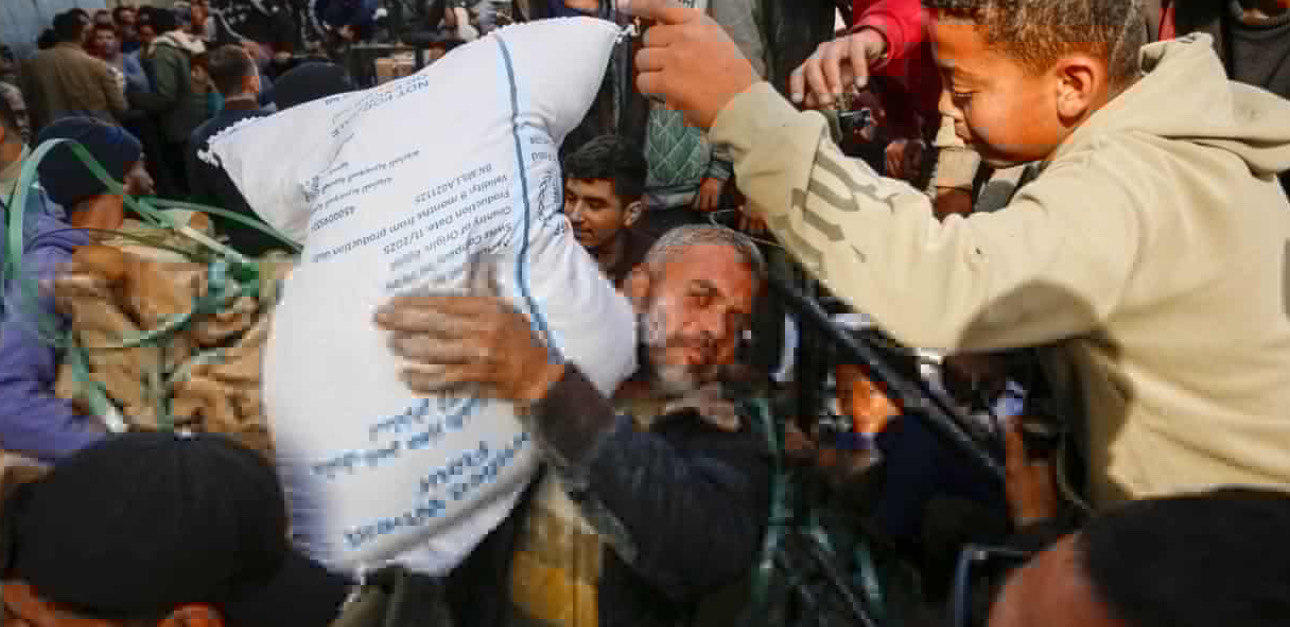
Keir Starmer has been accused of hypocrisy after the UK cut its funding to the UN World Food Programme (WFP) by a third, despite repeated pledges to tackle global hunger and starvation.
UK support for the WFP fell from $610m (£448m) in 2024 to $435m last year, as part of wider reductions in overseas aid spending. Campaigners warn the cuts risk costing lives at a time when global food insecurity is worsening.
The reduction comes despite the UK hosting a two-day international conference last year focused on starvation and malnutrition in Afghanistan, at which no new financial pledge was made.
A government spokesperson said the UK remains the fifth largest donor to the World Food Programme.
Michael Bates, a former Conservative aid minister and member of the House of Lords, said the timing of the cuts was deeply concerning as cases of starvation rise worldwide.
“If this was just a UK story it would be bad enough, but we are seeing it is a French story, it is a German story and a US story,” he said.
“All these countries are cutting. There will be a time lag but this will cost lives. We have a responsibility to protect these lives.”
Bates said it was “hypocritical” for ministers to speak about the moral urgency of tackling hunger while reducing funding in an area where the UK had previously been seen as a global leader.
The UK committed in 2015 to spending 0.7% of gross national income on overseas development, in line with a United Nations target. That commitment was later reduced to 0.5% under the previous Conservative government.
After entering office, Keir Starmer told a G20 summit in Brazil that his government would prioritise “the fight against hunger” and address “suffering and starvation”.
However, ministers later confirmed plans to cut aid spending further to 0.3% of GDP by 2027, in order to increase defence spending to 2.5% over the same period.
The shift reflects a broader global trend away from aid spending. The Organisation for Economic Co-operation and Development estimates that global aid fell by 9% in 2024 and is expected to drop by between 9% and 17% in 2025.
UK aid spending has also been squeezed by the cost of supporting asylum seekers already in the country. The Home Office expects to spend £2.2bn of overseas development assistance this financial year on hotel accommodation alone.
Responding to criticism, a government spokesperson said: “When we took the difficult decision to reduce our aid budget to allow more to be spent on defence and security, our funding for humanitarian support including to address hunger was relatively protected, and we recognise how important food assistance is for those in need.
“The UK is the fifth largest donor to the WFP, which remains a vital partner.
“In October, the prime minister announced a further £20m of UK aid to ensure water, sanitation and hygiene services reach tens of thousands of civilians across Gaza. This is in addition to the £74m we have already pledged.”