
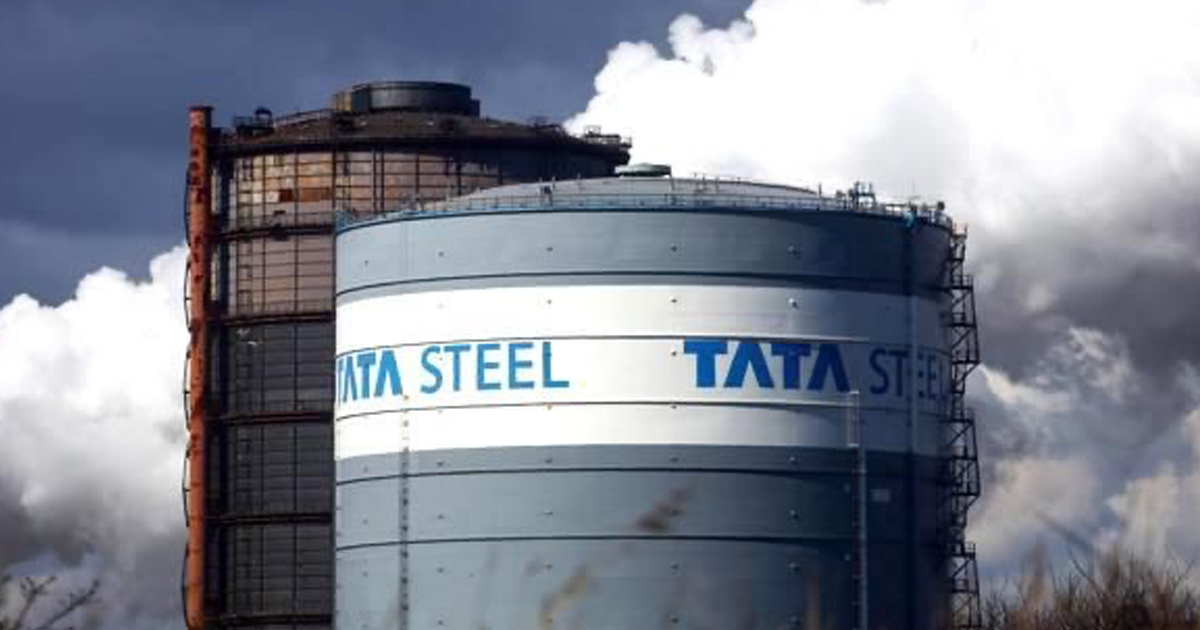
Tata Steel has warned that the UK steel industry crisis is reaching a critical stage, urging the government to take swift action within the next two months to prevent long-term damage to the sector.
Company representatives told MPs that the British steel industry is under severe strain and could suffer irreversible consequences if new protective measures are not implemented before existing safeguards expire this summer. Tata Steel said the current environment leaves domestic producers exposed to surging imports and unfair global competition.
Pressure from low-cost steel imports
Russell Codling, Market Business Development Director at Tata Steel UK, delivered the warning while giving evidence to Parliament’s Business and Trade Committee on Tuesday. He said the UK steel sector is facing intense pressure from increasing volumes of low-priced imports, particularly from China.
Codling told MPs that while the government has acknowledged the problem, there are currently no effective mechanisms in place to adequately protect UK steelmakers. He said the imbalance in global steel markets is leaving British producers vulnerable at a time when costs are rising and demand remains fragile.
Safeguard tariffs nearing expiry
A key concern highlighted by Tata Steel is the looming expiry of the UK’s 25% safeguard duties on certain steel products, which are due to end in June. Codling warned that unless these tariffs are extended or replaced with a new system, UK steelmakers will face a sudden surge in imports.
He said the government must either expand the existing safeguard measures or urgently announce a replacement import-tariff regime. Without decisive action, Codling warned, the domestic industry could weaken significantly within months, placing jobs, investment and supply chains at risk.
International comparisons raise alarm
Codling pointed to the robust trade defence measures already in place in the European Union and the United States, where steel imports are subject to tighter controls and stronger anti-dumping rules. He argued that the UK risks becoming a dumping ground for surplus global steel if it fails to adopt similar protections.
He warned that global overcapacity, particularly in China, means excess steel will continue to seek new markets, increasing the risk to UK producers unless firm action is taken.
Two-month deadline for government action
Tata Steel said the government effectively has a two-month window to act, stressing that any new measures must be decided and implemented by 1 July. Codling said this deadline is critical not only for steelmakers but also for the wider manufacturing supply chains that depend on a stable domestic steel industry.
He cautioned that uncertainty over trade protections is already affecting investment decisions and long-term planning within the sector.
UK steel under long-term strain
The UK steel industry has faced years of structural challenges, including high energy costs, global overcapacity and volatile demand. While safeguard tariffs were introduced following Brexit to replace EU protections, industry leaders have repeatedly warned that these measures are weaker than those used by major trading partners.
Steelmakers argue that without stronger and more permanent trade defences, the UK risks losing strategic industrial capacity at a time when steel is essential for infrastructure, defence, renewable energy and manufacturing.