
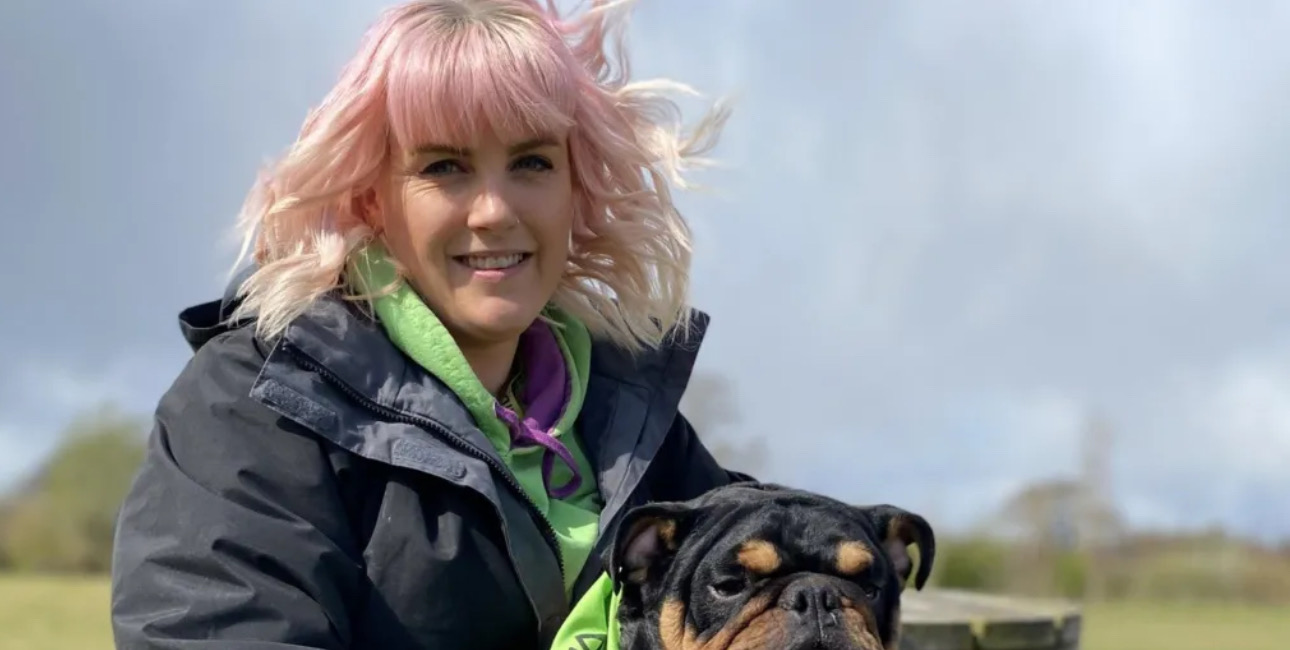
An established West Midlands animal charity has revealed it is spending approximately £400,000 a year on veterinary treatment as soaring costs and a surge in neglected cases place unprecedented strain on its resources.
Hayley Gee, from Birmingham Dogs Home, said the organisation’s vet bills had “definitely increased”, with a marked rise in dogs being surrendered because owners can no longer afford treatment.
“We have cases where dogs should have had treatment a long time ago or they should have seen a vet immediately and they haven’t,” she said.
The charity, which operates centres in Solihull and Wolverhampton, is witnessing what staff describe as a dramatic escalation in emergency interventions, including complex surgeries costing thousands of pounds.
Gee recounted a recent case in which a dog was discovered tied to a post outside the charity’s gates.
“We had a case this weekend, actually, where we found a dog tied up to a post outside our gate. It turned out she had recently had a litter of puppies very, very recently.
“We took her in and she gave birth to one puppy the day after, which had started to decompose inside her, so most likely she has had a litter and got into some trouble or the litter has passed away.
“Instead of rushing her to the vets they’ve handed her into us. She’s a very lucky girl to still be with us.”
An emergency caesarean procedure, she noted, can typically cost between £1,000 and £2,000, depending on the level of care required.
“If the survival rate is good and we think if we can put everything at this dog and they will come through the other end, then absolutely, we will always give it a go,” Gee said.
“We have a vet practice on site but specialist surgeries can cost the charity thousands – we spend about £400,000 a year on vet treatments alone.”
The financial pressure comes as the Competition and Markets Authority (CMA) reported that veterinary prices have been rising at nearly twice the rate of inflation, intensifying concerns over the affordability of pet healthcare in the UK.
The British Veterinary Association (BVA) acknowledged that advances in animal medicine have contributed to rising fees. Its president, Rob Williams, said: “Vets can do so much more today to help animals than even a decade ago and, increasingly, pet owners expect human quality healthcare for their pets, and this does come at a cost.”
He urged concerned owners to seek guidance rather than delay treatment. “Owners should talk to their vet if they were worried about costs as we’ll always do our best to support animals and their owners,” he said.
In addition to escalating vet bills, Birmingham Dogs Home is grappling with mounting rehoming challenges. Gee said the centre receives around 150 calls per month regarding dogs in need of placement.
“In the last 12 months we have seen a decrease in the amount of rehomes that we do,” she said.
“They’ve halved in that time and because we take in stray dogs we don’t have a say on what comes in and we have a lot of larger breeds, for example.
“They are more expensive to feed, more expensive to insure so people are more reserved when rehoming a dog now.
“It definitely more difficult to rehome a dog now and we are constantly struggling for capacity to help another dog.
“A kennel doesn’t stay empty for very long, unfortunately.”
Earlier this year, both veterinarians and animal charities warned that some pet owners are delaying essential treatment or opting for euthanasia because of spiralling costs.
For charities such as Birmingham Dogs Home, the combination of rising veterinary fees, increased neglect cases and slower adoption rates is creating what campaigners describe as a perfect storm in the UK’s animal welfare sector.
As economic pressures persist, the organisation says it remains committed to treating vulnerable animals — but acknowledges that the financial burden is becoming ever more difficult to sustain.