
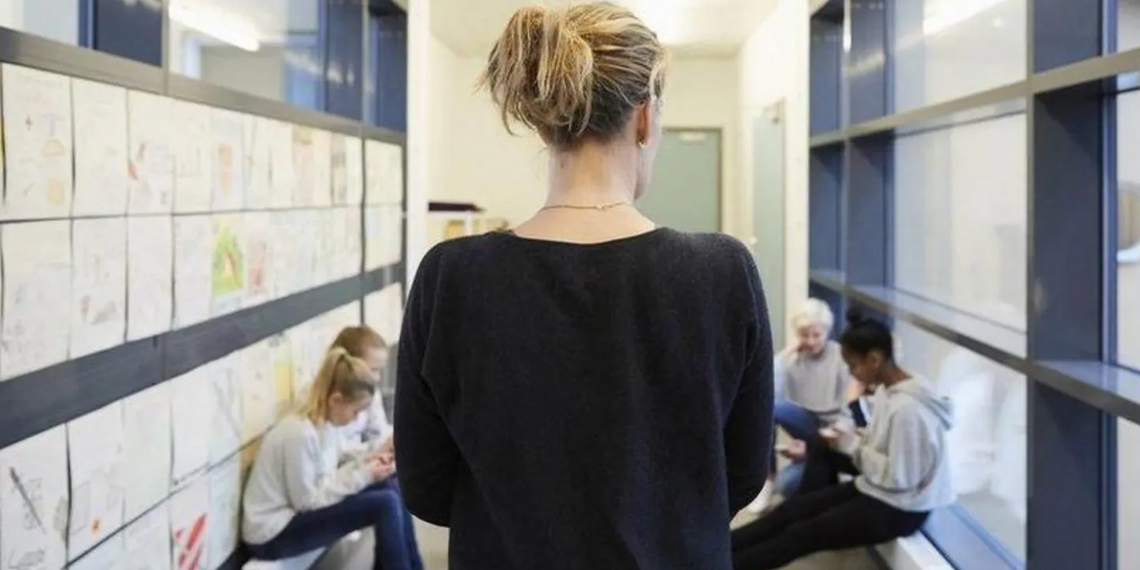
Violence Against Teachers in Aberdeen Schools has been described as widespread, frequent and harmful, according to Scotland’s largest teaching union, the Educational Institute of Scotland. A new survey reveals that more than a quarter of union members in the city experienced physical assault in the past year, while over a third reported witnessing violent incidents on a daily basis. The findings have reignited debate over classroom safety, staff wellbeing and the effectiveness of local authority measures designed to address escalating aggression in schools.
Survey Reveals Scale of Violence in Aberdeen Classrooms
The EIS survey, which gathered responses from around 800 members across the city, found that the frequency of violent incidents in schools remains a serious concern. According to the union, many reported episodes were overtly physical in nature. Teachers described being pushed, shoved, struck by objects, kicked, bitten and spat at.
In several cases, injuries were serious enough to require medical treatment and time off work, highlighting the tangible impact of violence against teachers in Aberdeen schools. The union argues that while some reporting metrics show slight reductions in incidents, the lived experience of teachers tells a more complex story.
Ron Constable, EIS branch secretary, said violent behaviour remains a prevailing issue. He suggested that apparent decreases in official reports may not necessarily reflect real improvements, but rather teachers developing coping mechanisms or avoidance strategies to deflect confrontation and reduce escalation.
Teachers Speak Out About Abuse and Fear
Two teachers who spoke anonymously to BBC Scotland News described experiences that illustrate the human cost behind the statistics.
One secondary school teacher reported repeated racial abuse, stating it occurred too frequently to quantify. She said she often chose not to report incidents, feeling that repeated complaints would not lead to meaningful action. While she described the majority of her pupils as well-behaved, the cumulative effect of persistent abuse has left her emotionally drained. She is currently signed off work and feels apprehensive
about returning to the classroom.
A primary school teacher detailed being bitten, kicked, punched and spat at. In some cases, she said, no immediate assistance was available. She described scenarios where furniture was thrown in a classroom full of young children, while attempts to contact colleagues for help went unanswered. The absence of rapid-response support systems in certain schools, such as functioning radios or internal communication protocols, has intensified concerns about staff safety.
Aberdeen City Council’s Response and Action Plan
Two years ago, concerns raised by teachers prompted scrutiny of classroom safety in the city. In March 2024, Aberdeen City Council drafted an action plan aimed at tackling classroom violence and improving reporting mechanisms.
Measures included the introduction of a whistleblowing form for staff, although it was later withdrawn after minimal usage. Council representatives maintain that improvements have been made and that reporting systems are robust. Martin Greig, the council’s education and children’s services convener, acknowledged that schools face challenges related to violence, aggressive behaviour and misbehaviour, but emphasised ongoing efforts to strengthen processes and support teachers.
A council spokesperson welcomed the union’s survey, noting the impact of collaborative efforts over the past two years and expressing willingness to work alongside the EIS and other trade unions to address the findings.
Rising Concerns Over Teacher Safety in Scotland
The issue of violence against teachers in Aberdeen schools reflects a broader national conversation about behaviour management, additional support needs and resource pressures across Scottish education. In recent years, teaching unions across Scotland have reported increases in disruptive and aggressive behaviour, particularly in the aftermath of pandemic-related disruptions to schooling.
Educational experts point to multiple contributing factors, including stretched support services, increased complexity of pupil needs and staffing shortages. Research from education bodies suggests that consistent behaviour policies, improved access to specialist support staff and stronger reporting frameworks are critical to addressing systemic classroom violence.
Teacher wellbeing has also emerged as a central issue. High levels of stress, burnout and early-career attrition are frequently linked to unsafe working environments. When violence becomes normalised, unions warn, it risks undermining recruitment, retention and overall educational outcomes.
The Path Forward
While Aberdeen City Council highlights progress, union representatives argue that stronger preventive strategies and visible enforcement are necessary to rebuild staff confidence. Teachers, they say, must feel assured that incidents will be addressed promptly and effectively.
The findings underscore that violence against teachers in Aberdeen schools is not merely a disciplinary concern but a structural challenge affecting workforce stability, educational quality and community trust. As discussions between the council and unions continue, the effectiveness of future interventions will likely be closely scrutinised by educators, parents and policymakers alike.