
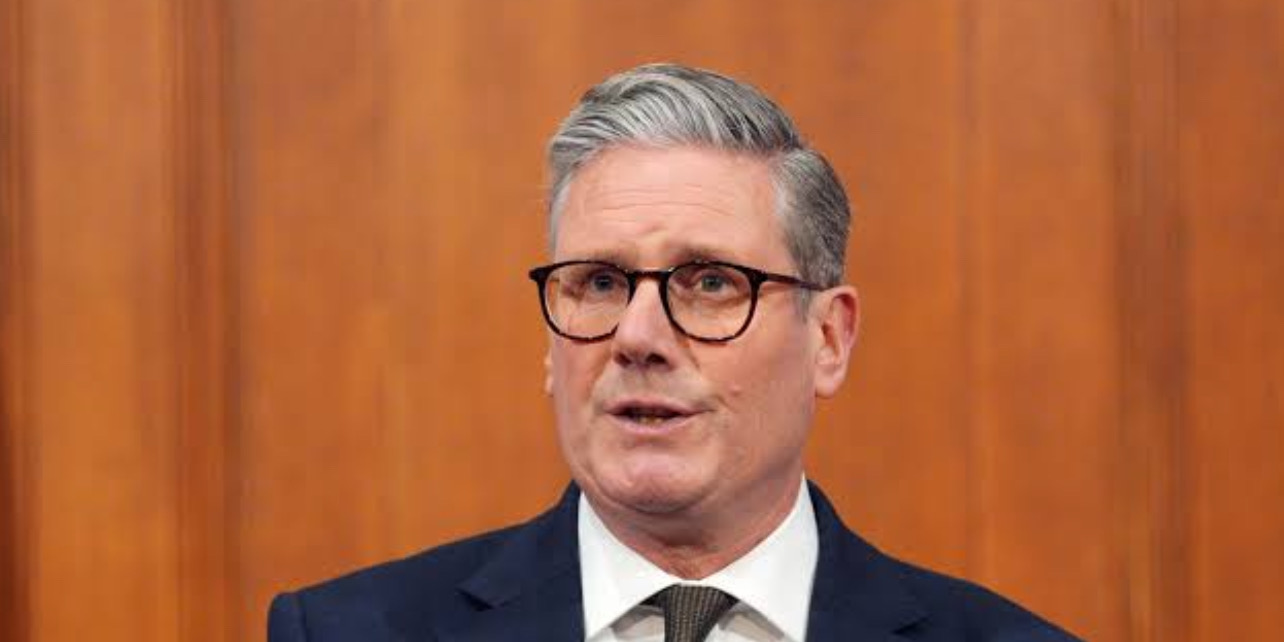
The UK has confirmed it will permit American forces to operate from British military facilities in support of UK allows US bases Iran strikes, Prime Minister Keir Starmer announced, warning that Iran’s recent actions pose growing risks to British nationals in the Middle East.
In a recorded statement on Sunday evening, Starmer said the decision followed what he described as increasingly reckless behaviour by Tehran and a direct threat to regional stability and UK citizens. The move marks a significant step in Britain’s involvement in the escalating regional crisis, although ministers insist the UK is not directly participating in offensive operations.
Decision to permit US base access
Starmer said Washington had formally requested permission to use two UK military bases for limited defensive purposes aimed at neutralising Iranian missile capabilities.
“The only way to stop the threat is to destroy the missiles at source in their storage depots or the launchers which are used to fire the missiles,” the prime minister said.
He added that the government had agreed to the request in order to prevent Iran from launching further attacks across the region that could endanger civilians and British nationals.
Officials estimate about 200,000 British citizens are currently in Middle Eastern countries that could be targeted by Iranian retaliation.
Drone incident at RAF Akrotiri
Within hours of the announcement, RAF Akrotiri in Cyprus — one of Britain’s key regional bases — was struck by what defence experts believe was a suspected drone attack.
The Ministry of Defence said the incident caused only minor damage and no casualties. Military alerts were issued to personnel and families at the base warning of an ongoing security threat.
A defence spokesperson said: “Our force protection in the region is at the highest level and the base has responded to defend our people.”
Security analysts described the incident as a possible Iranian one-way drone attack, underscoring the heightened tensions surrounding the decision.
Legal justification and allied coordination
The government published a summary of its legal position, stating that the UK’s actions fall under collective self-defence requested by regional allies.
British officials emphasised that RAF assets currently operating in the region are focused on defensive tasks, including intercepting incoming threats.
In a joint statement earlier with France and Germany, the UK signalled readiness to support “necessary and proportionate defensive action” to limit Iran’s missile and drone capabilities.
Political backlash and parliamentary pressure
The decision is already proving politically contentious in Westminster.
Liberal Democrat leader Ed Davey demanded that MPs be given a formal vote, warning the move could draw Britain deeper into Middle East conflict.
“This is a slippery slope,” Davey said. “The prime minister must come to parliament, set out the legal case in full, and give MPs a vote.”
Green Party co-leader Zack Polanski also criticised the US action, describing it as an “illegal and unprovoked attack”.
Within Labour ranks, Foreign Affairs Committee chair Emily Thornberry has previously raised concerns about the legality of US strikes, reflecting unease among some backbenchers.
Pressure from opposition parties
While some parties warned against escalation, the government has simultaneously faced pressure from the Conservatives and Reform UK to provide stronger backing for Washington.
Ministers have so far stopped short of endorsing the US strikes outright and have avoided giving a definitive legal judgment on the American operation.
Defence Secretary John Healey took a hard line on Iran’s leadership, saying few would mourn the death of Supreme Leader Ali Khamenei, whom he accused of sponsoring repression and regional instability.
The latest developments come amid one of the most volatile periods in Middle East security in recent years. Iran’s missile and drone capabilities have expanded significantly over the past decade, prompting growing concern among Western allies and Gulf states.
Britain has historically allowed US access to key bases such as RAF Akrotiri during major regional operations, but each decision has carried political sensitivity at home, particularly following the Iraq and Afghanistan conflicts.
Analysts say the government is attempting to balance alliance commitments with domestic caution about deeper military entanglement.
For now, ministers insist the UK role remains limited and defensive — but the situation around UK allows US bases Iran strikes is likely to remain under intense political and security scrutiny in the coming days.