
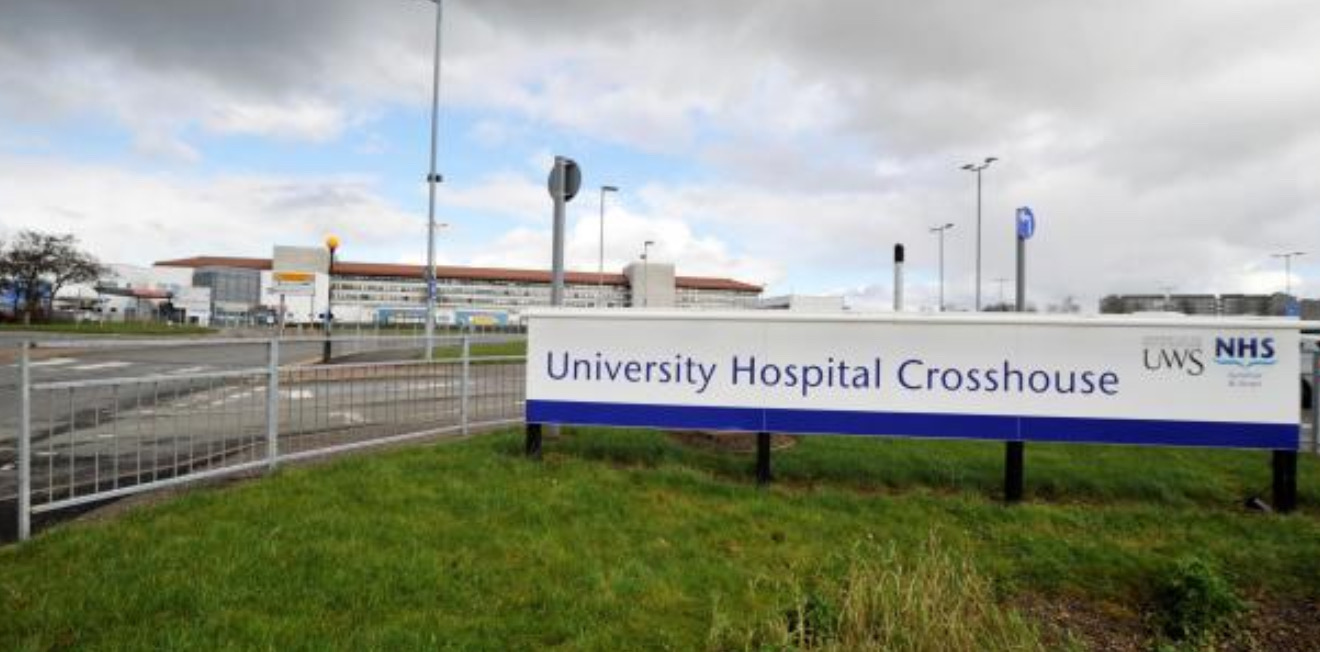
Shocking new figures have revealed the scale of the NHS waiting list deaths Ayrshire crisis, with nearly 13,000 patients dying before receiving treatment over the past six years, including hundreds who were waiting for mental health support.
Data released by NHS Ayrshire and Arran following a Freedom of Information (FOI) request shows that 12,951 patients died between 2020 and the end of 2025 while still on waiting lists, highlighting growing concerns about delays in access to care.
The NHS waiting list deaths Ayrshire figures include patients who had been waiting for extended periods, with some spending years awaiting treatment across a range of services.
Hundreds waited years before death
The data shows that a significant number of patients experienced long waiting times before their deaths.
More than 500 patients had been waiting between one and two years for treatment before passing away. A further 60 patients had been on waiting lists for between two and three years, while 16 individuals had waited more than three years.
These prolonged delays have intensified scrutiny of NHS waiting times and the pressures facing healthcare services in Scotland.
Mental health waiting list deaths raise concern
Among the most concerning findings are those related to mental health services.
A total of 493 patients died while waiting for mental health support, including 10 individuals who had been waiting more than 156 weeks.
The data also shows that younger patients were affected, with two individuals under the age of 19 and 14 in their 20s dying while awaiting mental health care.
These figures have raised concerns about access to timely mental health services and the impact of growing demand on healthcare provision.
Majority of deaths among older patients
The statistics indicate that the majority of deaths involved older individuals.
More than 9,288 patients who died were aged 70 or over, while a further 2,087 were aged between 60 and 69.
However, younger patients were also affected, with 77 individuals under the age of 30 dying while on waiting lists. Of these, 29 were under 19 years old.
The data highlights the widespread impact of waiting list delays across different age groups.
Patients waiting across multiple NHS services
The FOI data also provides insight into the types of services patients were waiting for at the time of their deaths.
Many individuals were on waiting lists for acute services, which account for the largest share of cases.
More than 1,000 patients were awaiting clinical physiology and endoscopy services, while 844 patients were on AHP/MSK lists, which include physiotherapy, podiatry and occupational therapy.
In addition, 65 patients were waiting for accident and emergency or acute medicine services, and four patients were awaiting obstetric care.
Patients could be on more than one waiting list at the same time, reflecting the complexity of their medical needs.
Health officials say no direct link to cause of death
Despite the scale of the figures, health officials have stressed that it is not possible to directly link waiting times to patient deaths.
Caroline Cameron, director of North Ayrshire Health and Social Care Partnership, said that many patients on waiting lists may have died from conditions unrelated to the treatment they were awaiting.
“It is not possible to make any link between a patient awaiting treatment in a particular speciality and their death,” she said.
“This is because many waits relate to symptoms or conditions that are not connected to the cause of death.”
Investigations carried out for mental health cases
Cameron confirmed that deaths involving patients waiting for mental health services are subject to detailed review processes.
Where a death is linked to mental health and the individual was on a waiting list, healthcare teams conduct adverse event reviews to identify lessons and improve services.
She added that systems are in place to monitor waiting lists and ensure patients’ needs are reassessed regularly.
“We have plans in place to manage waiting lists and regularly check them to make sure patients’ needs haven’t changed or become more urgent,” she said.
Rising demand puts pressure on NHS services
Health officials acknowledged that demand for services, particularly mental health support, has increased significantly in recent years.
This rise in demand has contributed to longer waiting times and increased pressure on healthcare providers.
Cameron said that the health board is working to manage waiting lists and ensure patients receive appropriate support.
She also highlighted the importance of providing clear guidance on how to access help in urgent situations, particularly for those experiencing mental health crises.
Growing NHS waiting list pressures
The NHS waiting list deaths Ayrshire figures reflect wider challenges facing healthcare systems across the UK.
In recent years, waiting lists have grown due to a combination of factors, including increased demand, workforce shortages and the lasting impact of the COVID-19 pandemic.
Efforts to reduce waiting times have been ongoing, but many services continue to face significant backlogs.
Mental health services, in particular, have seen rising demand, with more people seeking support for conditions such as anxiety, depression and other disorders.
Debate over healthcare delays and patient outcomes
The release of the data is likely to fuel ongoing debate about the impact of waiting times on patient outcomes.
While health officials maintain that a direct causal link between waiting lists and deaths cannot be established, critics argue that delays in accessing care may still contribute to worsening health conditions.
The figures also raise broader questions about healthcare capacity, resource allocation and the need for long-term investment in the NHS.
Focus on improving access and reducing waiting times
Health authorities say efforts are ongoing to improve access to services and reduce waiting times.
This includes reviewing waiting lists, prioritising urgent cases and expanding support services where possible.
The findings highlight the importance of addressing systemic challenges within the NHS to ensure patients receive timely and effective care.
As pressure on healthcare systems continues, reducing waiting times and improving patient access will remain a key priority for policymakers and health providers alike.