
The escalating Trump criticises NATO allies Iran war dispute has intensified tensions between Washington and its partners, as UK officials warn the conflict could trigger serious economic consequences at home.
Former US President Donald Trump has branded the UK and other NATO allies “cowards” for not taking stronger action to secure global shipping routes, particularly in the Strait of Hormuz. His remarks come as British ministers grow increasingly concerned that the ongoing conflict with Iran could destabilise energy markets and strain the UK’s fragile economic recovery.
The Trump criticises NATO allies Iran war controversy is unfolding against a backdrop of rising oil prices, increased borrowing costs, and fears of a renewed cost-of-living crisis in Britain.
UK government prepares for economic risks
Senior UK officials have begun contingency planning in response to the deepening crisis, amid warnings that prolonged disruption could push up energy prices and mortgage costs.
The Treasury has established a dedicated “Iran board” to assess potential scenarios, including emergency measures such as energy bill support for households.
While such intervention is seen as a last resort, ministers acknowledge that sustained high energy prices could force the government to act.
Officials are also considering practical measures to reduce fuel consumption, including lowering speed limits, as part of broader efforts to manage demand during a potential energy shock.
Rising tensions over military involvement
The UK has confirmed it is allowing British military bases to be used for strikes against Iranian missile launchers targeting commercial vessels in the Strait of Hormuz.
This marks an expansion of earlier operations, which had been limited to defending allied interests in the Gulf region.
Trump criticised the timing of the move, saying it came “very late” and urging allies to act more decisively.
In response, Iran’s foreign minister Abbas Araghchi accused Prime Minister Keir Starmer of “putting British lives at risk” by supporting military operations.
Despite the heightened rhetoric, analysts suggest the UK’s involvement is unlikely to significantly alter the course of the conflict.
Energy markets and cost-of-living concerns
The Trump criticises NATO allies Iran war situation has already had a tangible impact on global energy markets.
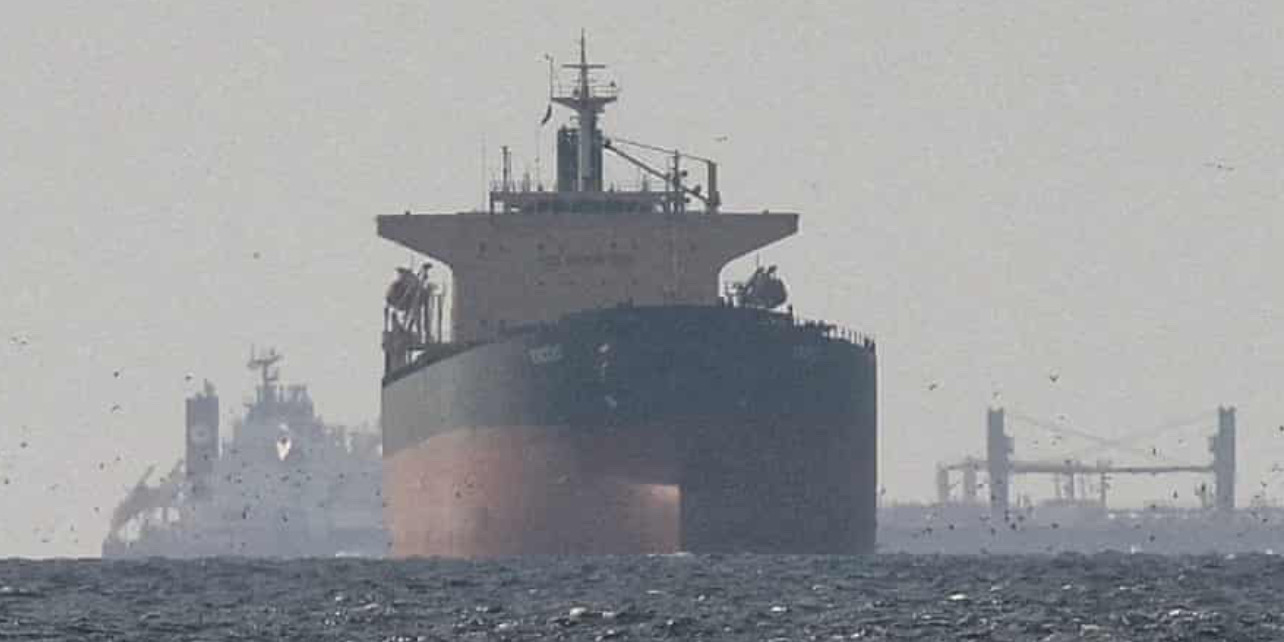
Disruptions in the Strait of Hormuz—through which around 20% of the world’s oil supply passes—have driven oil and gas prices sharply higher.
Forecasts indicate that UK household energy bills could rise by as much as £330 per year, potentially reaching nearly £2,000 from this summer.
Such increases would place additional pressure on households already dealing with high living costs.
The International Energy Agency (IEA) has described the situation as one of the most significant threats to global energy security, urging countries to adopt measures to reduce consumption.
Pressure on UK public finances
The economic fallout from the conflict is also affecting government finances.
Borrowing costs have risen to their highest level since the 2008 financial crisis, with markets now expecting UK interest rates to climb to around 4.5%.
Higher rates would increase mortgage costs for homeowners and further strain household budgets.
Chancellor Rachel Reeves is facing mounting pressure as her fiscal plans come under threat from rising borrowing costs and reduced economic headroom.
Estimates suggest the government could lose between £7 billion and £8 billion of its planned financial buffer due to the crisis.
Debate over energy support measures
Ministers are weighing options for supporting households if energy prices remain elevated.
While targeted assistance for vulnerable groups is the preferred approach, there is growing recognition that broader support may be necessary.
Previous energy support schemes introduced during the Ukraine crisis could serve as a model, though officials are cautious about the long-term fiscal implications.
Political pressure is also mounting, with calls for more comprehensive measures to shield households from rising costs.
The Green Party has proposed covering a £300 increase in energy bills, while trade unions have urged the government to go further in protecting workers and businesses.
Political and electoral implications
The Trump criticises NATO allies Iran war row comes at a sensitive time for the UK government, ahead of upcoming local elections.
Ministers had hoped to highlight signs of economic recovery, but the conflict has introduced new uncertainty.
Downing Street sources described the situation as “extremely challenging,” noting that recent improvements in inflation and energy prices are now at risk.
One official said the crisis had disrupted what had been a positive economic trajectory at the start of the year.
Calls for policy flexibility
The economic uncertainty has sparked debate within government and among Labour MPs about the need for greater flexibility in fiscal policy.
Some ministers have suggested revisiting borrowing rules to allow for increased spending in response to the crisis.
Others have called for broader tax reforms to address the impact of rising costs on households and businesses.
However, there is also concern about the long-term consequences of repeated financial interventions.
Global context and energy security challenges
The Trump criticises NATO allies Iran war tensions highlight the interconnected nature of global energy markets and geopolitical risks.
The Strait of Hormuz remains a critical chokepoint for global oil supplies, and any prolonged disruption could have far-reaching economic consequences.
The IEA has recommended measures such as increased use of public transport, reduced car usage, and improved energy efficiency to mitigate the impact.
UK officials have emphasised that there is currently no immediate shortage of fuel, but contingency plans are being developed to ensure resilience in the face of ongoing uncertainty.
Outlook: uncertainty dominates economic planning
The trajectory of the conflict will play a decisive role in shaping the UK’s economic outlook in the coming months.
Officials expect it may take several weeks to determine whether the situation will stabilise or require more extensive intervention.
For now, the government is balancing the need to support households with the challenge of maintaining fiscal discipline.
As the Trump criticises NATO allies Iran war dispute continues, the UK faces a complex mix of geopolitical and economic pressures that could define its policy decisions for the rest of the year.