
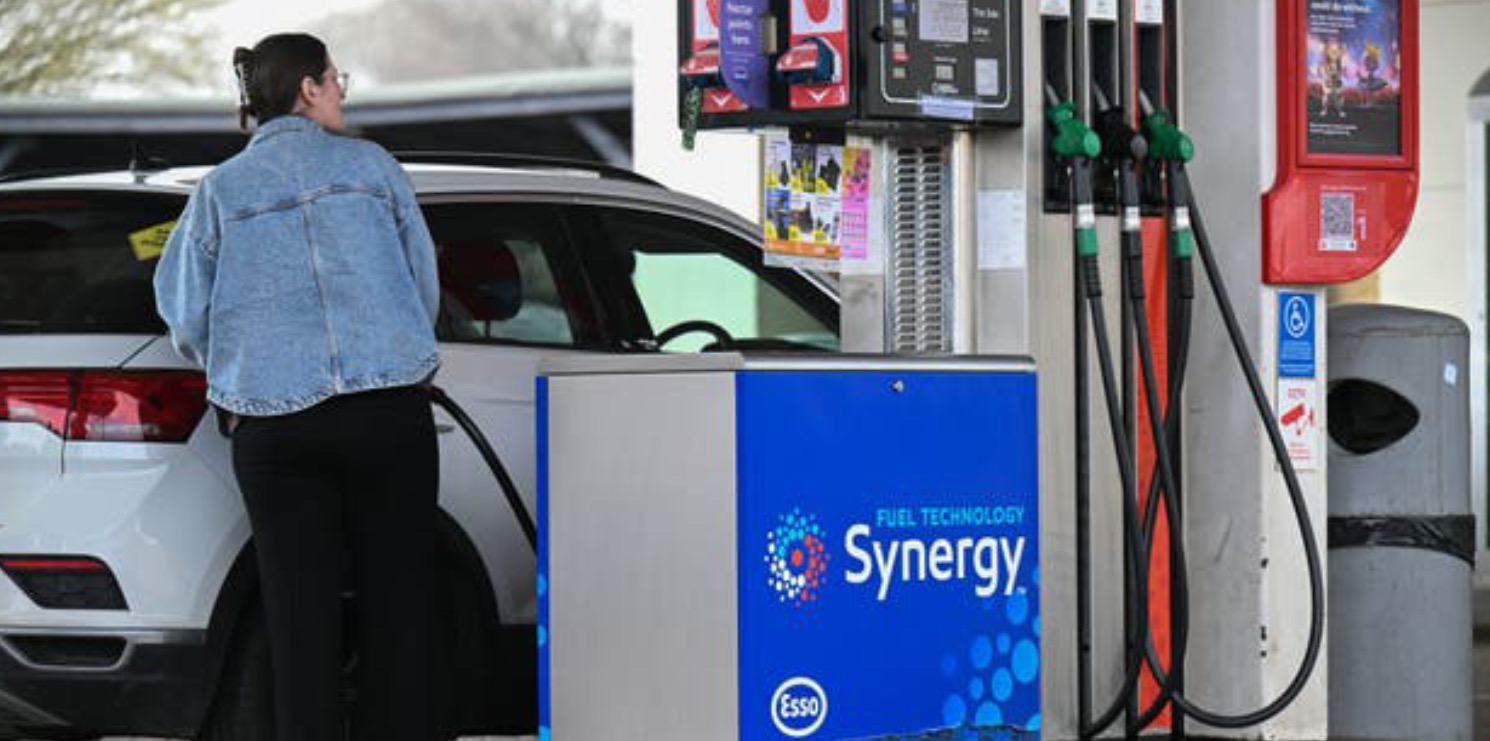
Motorists across the UK are facing rising fuel costs, with diesel prices climbing to their highest level in three years as the Middle East crisis drives up global oil prices.
Latest figures show the average price of unleaded petrol has increased by more than 14p per litre since late February, reaching 147.19p. According to the RAC, this adds around £8 to the cost of filling a typical family car, bringing the total to approximately £81.
Petrol prices are now back to levels last seen in early June 2024, with further increases expected in the coming days.
However, diesel drivers are facing even steeper rises. The average price of diesel has surged by 29p per litre to 171.17p — its highest level since mid-January 2023.
This means a full tank now costs around £94, roughly £16 more than at the start of the Middle East conflict.
Industry experts have warned that the situation could worsen as oil prices continue to rise.
“As a barrel of oil has been trading well over 100 dollars for the last three days and looks set to remain at that level, drivers are in for a rough ride at the pumps in the run-up to the Easter break with no end to price increases in sight,” analysts said.
“With the price of petrol likely to go above 150p a litre in the next week and diesel heading to 180p, it’s looking like it will be the most expensive Easter on the roads since the early days of the war in Ukraine in 2022.”
The surge in fuel prices comes alongside wider economic pressures, with financial markets reacting to the impact of the conflict on inflation and interest rates.
Separate data from Moneyfacts shows the number of available mortgage deals has fallen sharply, with nearly 1,500 products disappearing in recent weeks — a drop of around 19.5 per cent.
Lenders have been rapidly adjusting mortgage rates and withdrawing products as expectations for higher inflation increase, driven in part by rising energy costs linked to the conflict.
With both fuel and borrowing costs on the rise, households across the UK are facing growing financial pressure as global instability continues to affect everyday expenses.