
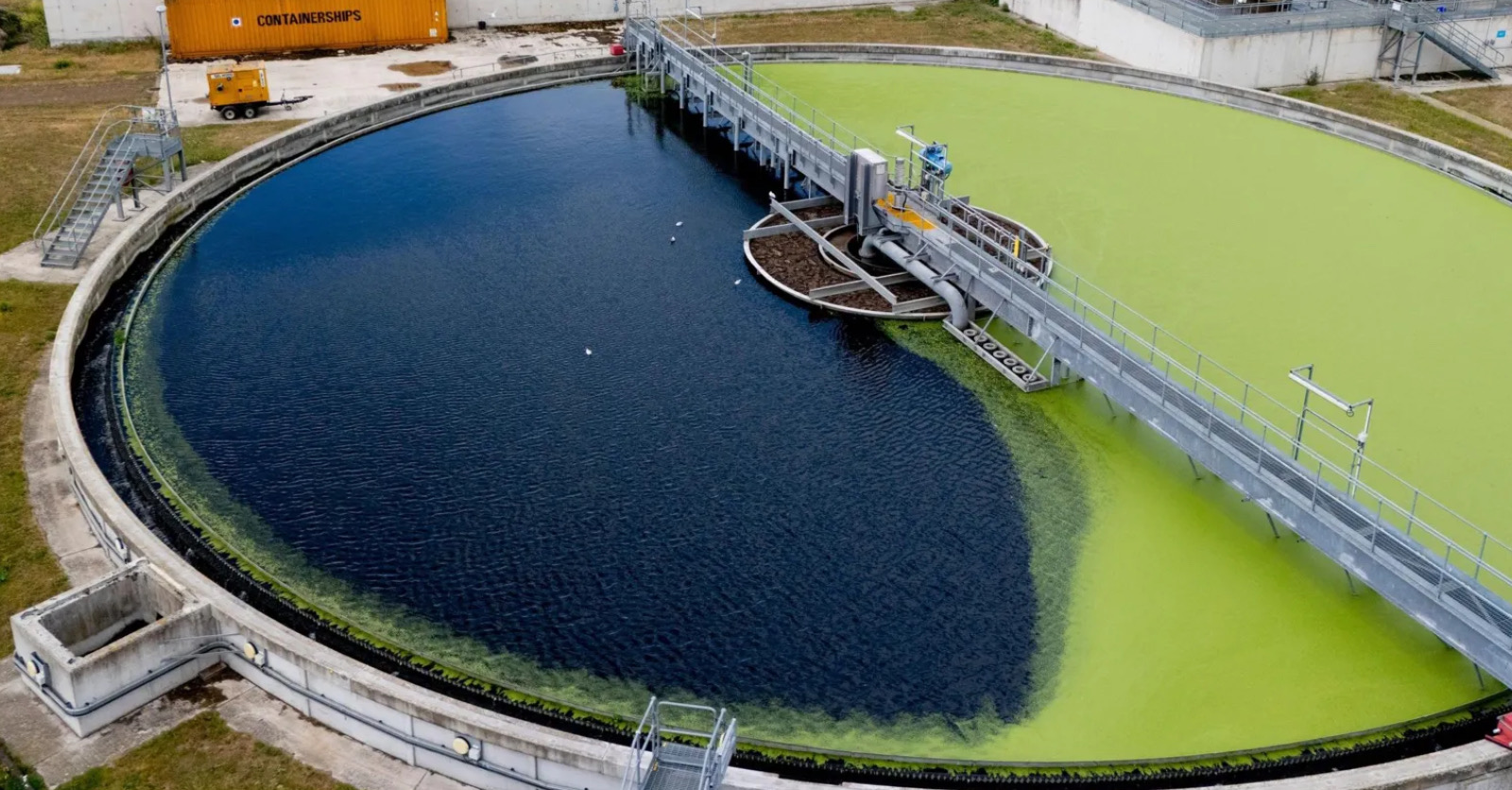
New data on UK sewage spills 2025 shows a significant decline in the number of hours raw sewage was discharged into England’s rivers and seas, but regulators and environmental groups warn the improvement is largely due to drier weather rather than meaningful infrastructure upgrades.
According to the Environment Agency, sewage spill hours fell by 48% in 2025 compared with the previous year. However, experts caution that the figures do not yet reflect long-term progress in tackling water pollution.
Sharp fall in sewage discharge hours
The latest UK sewage spills 2025 data shows that water companies released sewage for 1.9 million hours, down from 3.6 million hours in 2024.
This drop marks one of the largest year-on-year declines recorded, offering some relief after years of rising concern over pollution in waterways.
However, the Environment Agency stressed that the reduction is closely linked to weather patterns rather than systemic improvements.
With rainfall levels 24% lower than the previous year, the need to release excess wastewater through storm overflows was reduced.
Why rainfall plays a key role
England’s sewage system relies heavily on combined sewer networks, where rainwater and wastewater are processed together.
During heavy rainfall, excess water can overwhelm treatment systems, forcing operators to release untreated sewage into rivers and seas to prevent flooding in homes and streets.
In 2025, drier conditions meant fewer overflow events, leading to a reduction in recorded spill hours.
Experts say this highlights the vulnerability of the current system, which struggles to cope with both extreme rainfall and ageing infrastructure.
Environmental groups question progress
Despite the drop in UK sewage spills 2025, environmental organisations have dismissed the improvement as temporary.
Campaigners argue that lower spill figures in a dry year do not indicate structural reform or improved environmental protection.
James Wallace, head of River Action, said the reduction was “inevitable” given the weather conditions and warned that pollution levels remain unacceptable.
Critics also accuse regulators and water companies of failing to take sufficient action to address long-standing issues in the system.
Industry points to rising investment
Water companies and industry representatives have defended their efforts, arguing that increased investment is beginning to deliver results.
Water UK said the sector is “starting to see the effect” of a major increase in spending on infrastructure.
Regulator Ofwat has approved plans allowing water bills in England and Wales to rise over the coming years to fund £104 billion in upgrades.
Some companies have already taken steps to modernise systems, including upgrades to hundreds of storm overflows in regions such as the North West and Yorkshire.
However, with nearly 15,000 overflow points across the country, experts say the scale of the challenge remains significant.
Ongoing pollution risks to environment and public health
The impact of sewage pollution extends beyond water quality, posing risks to both ecosystems and human health.
Untreated sewage introduces harmful nutrients into waterways, leading to algal blooms that deplete oxygen levels and harm fish and other wildlife.
It can also carry pollutants such as plastics, chemicals and pharmaceutical residues, further damaging aquatic environments.
Public health experts have warned that exposure to contaminated water can increase the risk of illness, particularly for swimmers and those living near affected areas.
Dry spills raise legal and regulatory concerns
The UK sewage spills 2025 data also includes, for the first time, information on “dry spills” — incidents where sewage is discharged without rainfall.
These events are considered illegal because there is no excess rainwater to justify the release or dilute the waste.
The Environment Agency reported 14,700 dry spill incidents in 2025 and confirmed that investigations are underway.
If breaches are confirmed, water companies could face enforcement action, including warnings or unlimited fines.
Growing scrutiny of water companies
Sewage pollution has become a major political and environmental issue in the UK in recent years, with increasing public pressure for reform.
Investigations and scientific studies have highlighted the scale of pollution and its impact on ecosystems and communities.
In 2024, leading health officials warned that sewage contamination posed a direct risk to public health, adding urgency to calls for action.
Water companies have faced criticism for paying dividends to shareholders while failing to upgrade ageing infrastructure.
Government response and future outlook
Water minister Emma Hardy acknowledged that while the reduction in spills is welcome, the overall level of pollution remains too high.
She said sustained investment and stronger regulation will be necessary to deliver lasting improvements.
The government and regulators have committed to increasing oversight and accelerating infrastructure upgrades, but progress is expected to take years.
The UK sewage spills 2025 figures highlight both the potential for improvement and the ongoing challenges facing the country’s water system.
Long-term challenge for infrastructure and climate
Climate change is expected to increase the frequency of extreme weather events, placing further strain on already stretched sewage systems.
At the same time, population growth and urban expansion are adding to demand on infrastructure.
Experts say addressing the problem will require a combination of investment, regulatory reform and technological innovation.
Without sustained action, temporary improvements linked to weather conditions are unlikely to translate into long-term environmental gains.