
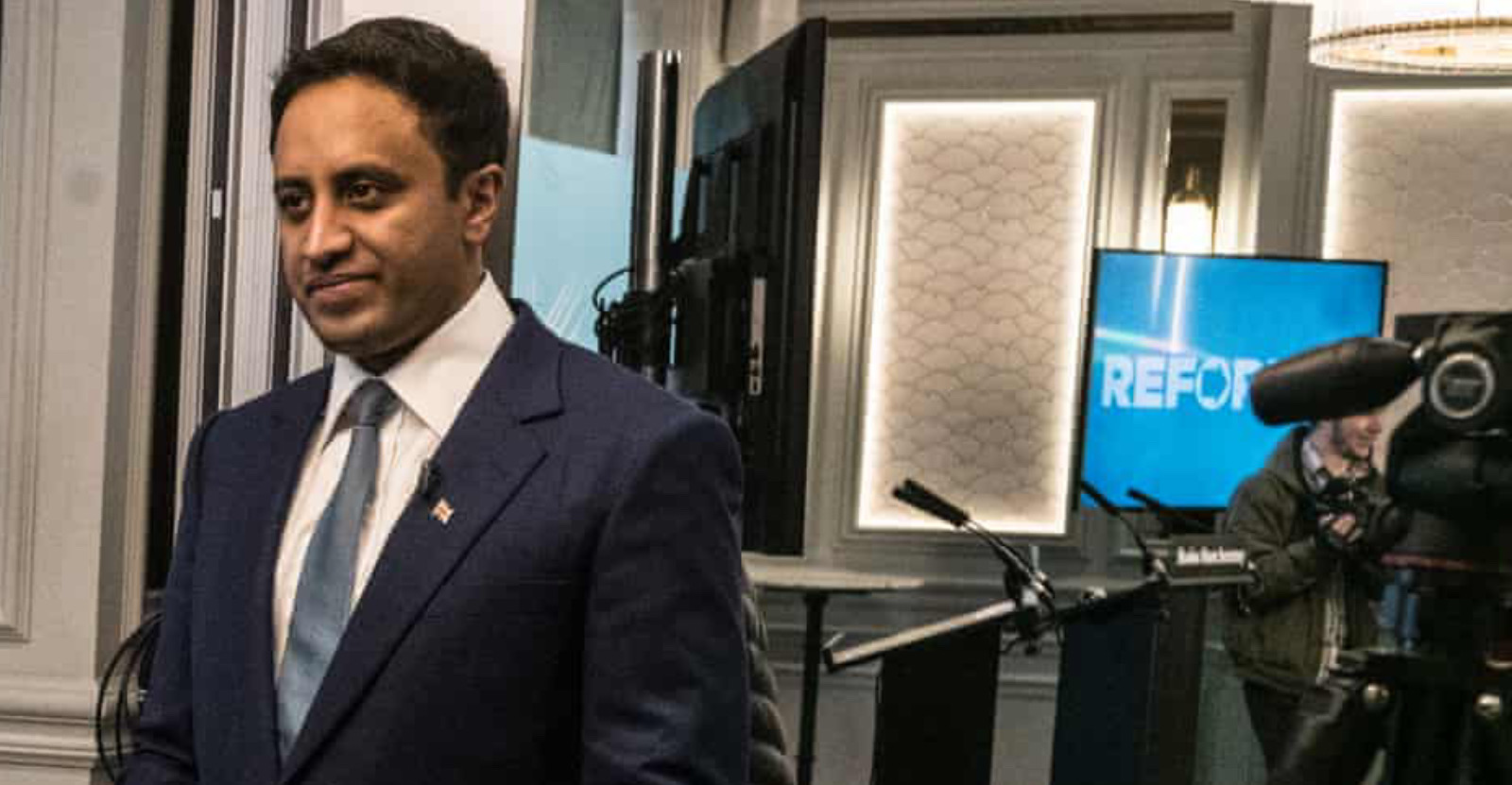
The UK reparations visa policy has sparked political debate after Reform UK announced plans to block visas for individuals from countries that continue to demand compensation from Britain over its role in the transatlantic slave trade.
The proposal, outlined by Reform UK’s home affairs spokesperson, argues that ongoing calls for reparations are unjustified and should not be rewarded with continued access to UK visas. The policy would mark a significant shift in immigration and foreign policy if implemented.
Reform UK said it would stop issuing visas to nationals of countries that formally support or pursue reparations claims against the UK. The party described such demands as unfair and politically motivated.
According to party representatives, millions of visas have been granted in recent decades to individuals from countries that have raised the issue of reparations, prompting calls for a tougher stance.
The proposal builds on earlier pledges by Reform UK to restrict foreign aid to countries pursuing compensation claims, signalling a broader approach that links immigration policy with international political positions.
Historical Context of Transatlantic Slave Trade
The debate over reparations is rooted in the history of the transatlantic slave trade, during which European powers transported more than 15 million Africans across the Atlantic over several centuries.
The UK was among the major participants in the system before abolishing the slave trade in 1807 and slavery itself in 1833. Historians have widely linked wealth generated during this period to industrial development in Europe and North America.
In recent years, calls for reparations have gained momentum internationally, with advocates arguing that compensation is necessary to address the long-term economic and social consequences of slavery and colonialism.
International Calls for Reparations Intensify
The issue was brought into sharper focus after the United Nations passed a resolution describing the transatlantic slave trade as the “gravest crime against humanity” and calling for reparations as part of efforts to address historical injustices.
The resolution received backing from regional organisations such as the African Union and the Caribbean Community, reflecting growing international support for the reparations movement.
However, the UK and several European countries abstained from the vote, while the United States opposed it. The resolution is not legally binding but carries political and symbolic significance.
Economic and Political Disagreements Over Compensation
The scale of potential reparations remains a major point of contention. Some academic and legal assessments have suggested that compensation claims could reach into the trillions of dollars, although these figures are widely debated.
Caribbean leaders and advocacy groups have emphasised that reparations discussions are not solely about financial payments but also about broader programmes for development, education and economic cooperation.
Representatives of the Caribbean reparations movement have repeatedly argued that their goal is to establish frameworks for restorative justice rather than impose unsustainable financial demands.
UK Government Position and Wider Debate
The UK government has historically rejected calls for financial reparations, while acknowledging the role Britain played in the slave trade and its lasting impacts.
The proposal by Reform UK introduces a new dimension to the debate by linking immigration policy directly to international demands for compensation, raising questions about diplomatic relations, migration policy and historical accountability.
Critics argue that such measures could strain relationships with countries in Africa and the Caribbean, while supporters contend that they represent a firm stance against what they view as unjust financial claims.
Broader Implications for Immigration and Foreign Policy
The UK reparations visa policy highlights how historical issues continue to shape modern political debates. Immigration, foreign aid and international diplomacy are increasingly intersecting with discussions about historical responsibility and justice.
As global attention on reparations continues to grow, the UK is likely to face ongoing pressure to clarify its position, both domestically and internationally.
The proposal also reflects wider political divisions over how nations should address historical injustices, and whether contemporary policy tools — such as visa restrictions — should be used in response.