
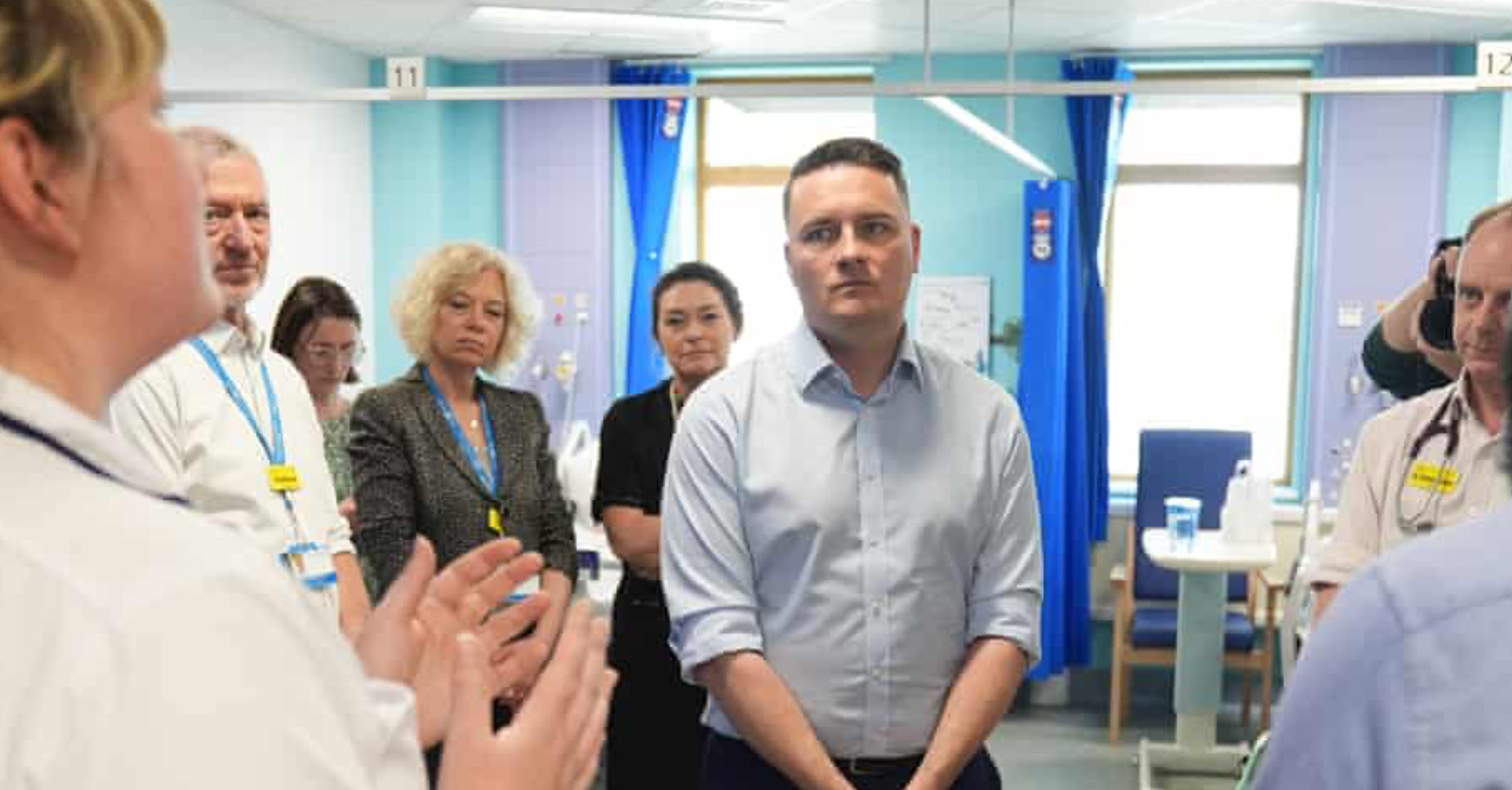
The escalating political battle over the future of Britain’s healthcare system has intensified, with the NHS election warning issued by Wes Streeting placing the health service at the centre of upcoming local and devolved elections.
Streeting warned that voters risk putting the National Health Service in jeopardy if they back populist parties in May’s elections, describing the situation as one of the most serious threats to the NHS since its creation in 1948.
His remarks underline growing concern within government that political shifts at local and regional levels could influence the direction, funding and structure of healthcare services across the UK.
NHS Becomes Central Election Battleground
Streeting said the NHS would be a “key battleground” in the elections, particularly in regions such as Wales and Scotland, where political competition is intensifying.
He highlighted what he described as a “particular jeopardy” in Wales, where Labour faces mounting pressure from Reform UK and Plaid Cymru. According to Streeting, these parties present risks to the stability and future of healthcare provision.
He urged voters to consider the implications of their choices carefully, arguing that Labour offers continuity and coordination between local and national government.
Criticism of Political Rivals Intensifies
Streeting sharply criticised political opponents, accusing Reform UK of lacking transparency on healthcare policy and suggesting the party could undermine the NHS if given power.
He also questioned the readiness of Plaid Cymru, describing the party as inexperienced, and criticised the record of the Scottish National Party in managing Scotland’s health system over the past two decades.
His comments reflect broader political tensions as parties compete to position themselves as credible stewards of public services ahead of the elections.
Debate Over NHS Future and Reform Models
The debate over the NHS has intensified in recent years, with discussions ranging from funding levels to structural reform.
Streeting raised concerns about proposals linked to Reform UK leader Nigel Farage, including ideas for tax relief on private healthcare and openness to alternative systems such as insurance-based models.
While Reform UK has stated that it would maintain free access to healthcare at the point of use, critics argue that such proposals could lead to significant changes in how services are delivered and funded.
Polling Signals Political Volatility
Recent polling has added to the sense of uncertainty ahead of the elections, suggesting that several senior government figures could face electoral challenges if current trends continue.
The data indicates rising support for smaller parties, highlighting the potential for shifts in political power that could influence health policy at both local and national levels.
This volatility has prompted renewed efforts by Labour to emphasise its record and position on key issues, particularly healthcare.
Government Defends NHS Performance and Targets
Amid criticism, Streeting defended the government’s handling of the NHS, arguing that progress is being made in reducing waiting times and improving services.
He rejected claims that the health service is on track to miss key targets, saying the data cited by critics does not reflect the latest improvements.
According to Streeting, the government still has a “fighting chance” of meeting its goals, despite ongoing challenges such as staff shortages and industrial action by healthcare workers.
Wider Challenges Facing the NHS
The NHS continues to face significant pressures, including rising demand, workforce constraints and the lingering impact of the COVID-19 pandemic.
Waiting lists for treatment, delays in emergency care and staffing issues remain key concerns for both policymakers and the public.
These challenges have made healthcare a central issue in political debates, with parties offering competing visions for how to secure the system’s future.
Labour Strategy Focuses on Stability and Partnership
Streeting emphasised that Labour’s approach is based on partnership between national and local government, arguing that this alignment is essential for delivering effective public services.
He said maintaining Labour control in councils and devolved administrations would help ensure smoother coordination and more efficient implementation of healthcare policies.
The strategy reflects a broader effort by the party to present itself as a stable and reliable option amid political uncertainty.
Outlook Ahead of May Elections
As the elections approach, the NHS is expected to remain a dominant issue shaping voter decisions.
Streeting’s warning highlights the high stakes involved, with the future direction of one of the UK’s most important public institutions potentially influenced by the outcome.
With political competition intensifying and public concern over healthcare remaining high, the coming weeks are likely to see further debate over how best to protect and strengthen the NHS.