
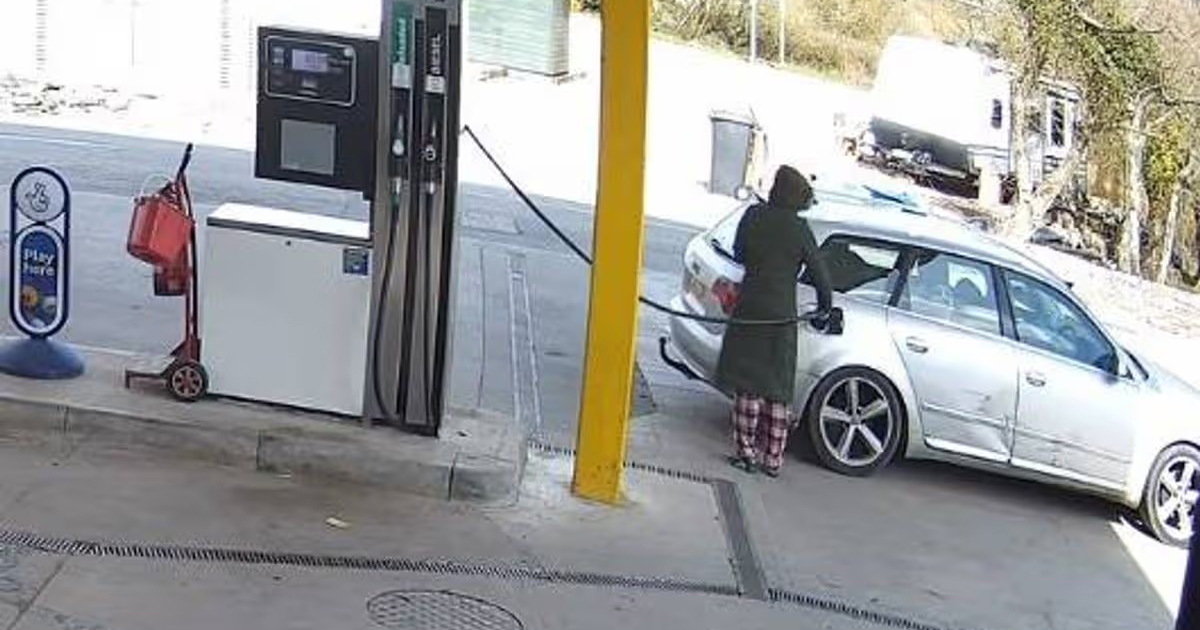
The UK is facing a sharp rise in UK petrol theft surge cases, with incidents of fuel drive-offs increasing by 62% over the past year, according to new data compiled for the BBC. The spike comes as soaring petrol and diesel prices—driven by the Iran war—place mounting pressure on households and businesses, while also triggering a rise in abuse against forecourt staff.
Figures from Pay My Fuel show that the average number of weekly drive-offs per petrol station has climbed from 2.1 in March 2025 to 3.4 in March 2026. At the same time, the average value of stolen fuel has risen significantly, increasing from £56 to £67 per incident.
Retailers warn that the trend is not only hurting profits but could also push fuel prices even higher for consumers, as businesses attempt to absorb mounting losses.
Fuel price rises linked to Iran conflict
The surge in petrol theft coincides with a steep increase in fuel costs following geopolitical tensions in the Middle East. Since the outbreak of the Iran war, the cost of filling a typical petrol car has risen by £14, while diesel has increased by approximately £27 per tank.
Industry representatives, including the Petrol Retailers Association, say higher prices are a key driver behind the increase in theft. While some incidents may be linked to financial hardship amid the cost of living crisis, others are believed to involve organised and premeditated criminal activity.
Gordon Balmer, executive director of the association, said the rise in fuel prices had led to a “noticeable increase” in theft, with some offenders exploiting the situation deliberately.
Retailers report growing financial losses
Forecourt operators say the financial impact is becoming unsustainable. One retailer, who operates five petrol stations in southern England, reported losses of around £2,000 per week due to repeated drive-offs.
CCTV footage shared with media outlets shows a range of incidents, from small thefts involving motorcycles to larger cases where vans and SUVs leave without paying for fuel worth over £150.
Retailers argue that while some offenders claim to have forgotten to pay, the majority of cases appear to be intentional. Many incidents occur at different times of the day, suggesting a widespread and persistent problem.
Ian Wolfenden, director of Pay My Fuel, said the issue has worsened significantly, with some areas—particularly in major cities such as London, Manchester, and Glasgow—experiencing even higher rates of theft.
Impact on staff and customer experience
In addition to financial losses, petrol station staff are increasingly facing verbal abuse and hostility from customers frustrated by rising fuel prices. Retailers say accusations of profiteering have contributed to tensions on forecourts, despite the fact that margins remain slim.
Industry figures note that more than half of the pump price of fuel—around 55%—consists of taxes, leaving retailers with limited control over pricing. However, public perception has not always reflected this reality, leading to confrontations between customers and staff.
The National Business Crime Centre has warned that fuel theft places a significant burden on both businesses and law enforcement, requiring increased resources to track offenders and recover losses.
Superintendent Lisa Maslen said police forces are adopting a proactive approach, working with retailers and recovery agencies to identify repeat offenders and disrupt criminal networks.
Potential knock-on effect on fuel prices
Retailers have cautioned that continued theft could have a direct impact on fuel prices. As losses increase, operators may be forced to raise prices slightly to offset the financial damage, particularly for independent forecourts with limited margins.
Rachael King, a forecourt manager in Gloucestershire, said businesses cannot absorb repeated losses indefinitely. She warned that if theft continues at current levels, it could lead to higher prices for all customers, as retailers attempt to balance their accounts.
This creates a cycle in which rising prices contribute to more theft, further increasing costs across the sector.
Government response and wider context
The UK government has condemned fuel theft, stating that offenders must face the full force of the law. Officials have urged the public to report incidents and stressed that abuse of retail staff is unacceptable.
The issue comes amid broader economic pressures linked to global energy markets. The Iran war has disrupted oil supply routes, particularly through the Strait of Hormuz, a key artery for global energy shipments. This has driven up wholesale fuel prices, with knock-on effects for consumers across the UK.
According to the RAC, petrol prices remain significantly higher than pre-war levels, with diesel costs also elevated. Analysts warn that continued instability in the region could prolong price volatility, keeping pressure on households and businesses.
As the cost of living crisis persists, fuel theft is emerging as a growing challenge for the UK’s retail sector, highlighting the complex interplay between global events, domestic economics, and criminal activity.