
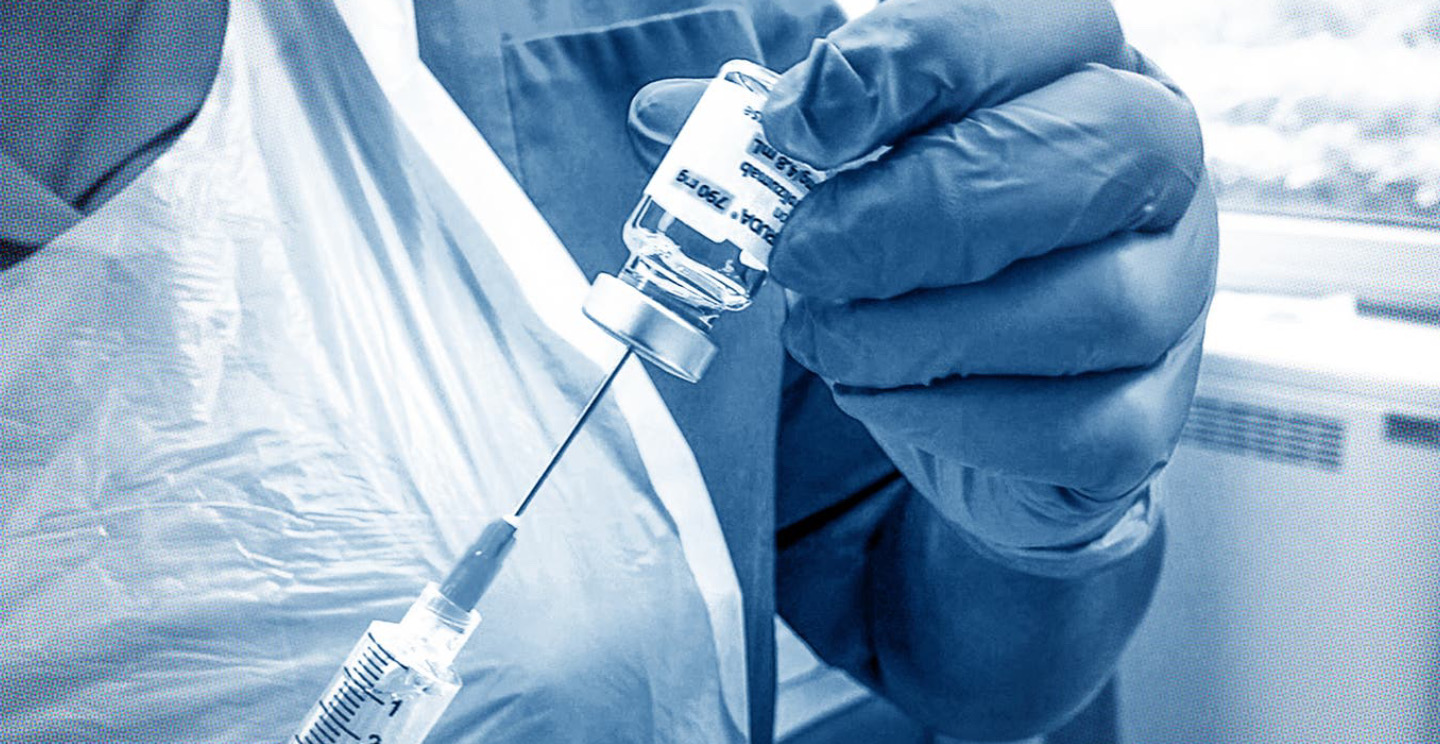
Thousands of NHS nurses handling chemotherapy and other hazardous medicines may be facing serious health risks because of inadequate protective equipment, according to an investigation that has raised concerns about miscarriages, infertility and long-term exposure to toxic chemicals.
Healthcare workers and campaigners are now urging regulators and ministers to introduce tougher national safety standards after nurses reported repeated exposure to dangerous drugs while wearing only basic protective gear.
Nurses Raise Concerns Over Miscarriages and Illness
Cancer nurses working in NHS hospitals have described suffering miscarriages, fertility problems, hair loss, nausea and fatigue after years of administering toxic medications with limited protection.
The medicines involved include chemotherapy drugs as well as treatments for conditions such as rheumatoid arthritis, HIV and multiple sclerosis.
Medical experts warn these substances can be hazardous if inhaled, absorbed through the skin or encountered through contaminated surfaces and spills.
Several nurses said they only later began to suspect a possible connection between repeated miscarriages and long-term workplace exposure to chemotherapy drugs.
NHS Trusts Accused of Providing Inadequate PPE
The investigation found many NHS workers are routinely given only plastic aprons and standard gloves while handling hazardous medicines.
Healthcare specialists argue this falls below international best practice, particularly when compared with protections commonly used in the United States, where staff are often provided with full protective gowns, masks and double-layered chemotherapy-rated gloves.
Research involving hundreds of oncology nurses found the majority were not consistently supplied with specialist protective equipment designed for handling toxic cancer treatments.
Studies Link Exposure to Reproductive Risks
Medical guidance and research have increasingly linked exposure to hazardous medicinal products with miscarriage, infertility and other reproductive health concerns among healthcare workers.
Guidance issued by the NHS West Midlands Cancer Alliance warned that inadequate safety measures could lead to serious health complications including birth defects, liver damage and abnormal cell development.
The Centers for Disease Control and Prevention has also issued warnings to healthcare workers in the United States about the dangers associated with exposure to hazardous drugs.
Experts Call for Stronger National Standards
The Royal College of Nursing is now calling for mandatory national standards covering the handling of hazardous medicines across NHS trusts.
The union argues that current regulations requiring exposure to be kept “as low as reasonably practical” are too vague and have led to inconsistent safety practices between hospitals.
Campaigners want stronger wording requiring exposure levels to be reduced to the “lowest possible level”.
Closed-System Devices Not Widely Used
Safety specialists say NHS trusts should also be using closed-system transfer devices designed to prevent leaks and reduce exposure during chemotherapy preparation and administration.
However, surveys suggest fewer than half of nurses consistently use such equipment.
Experts warn that inconsistent safety procedures leave frontline healthcare workers vulnerable despite long-standing awareness of the risks linked to handling toxic drugs.
Calls for Government and HSE Action
The Health and Safety Executive is being urged to review evidence surrounding exposure risks and consider whether stricter regulations are needed.
Labour MP Luke Akehurst said ministers have a moral responsibility to protect NHS staff who deliver life-saving care.
Campaigners argue healthcare workers should not be risking their own health while treating patients with serious illnesses.
NHS and Government Respond
An NHS spokesperson said staff safety remains a priority and stressed that trusts already have legal duties to protect employees handling hazardous medicinal products.
The UK government also said it is working with regulators and NHS England to review concerns raised by professional organisations and healthcare workers.
Officials confirmed the Health and Safety Executive is actively assessing whether further action or clearer national guidance is necessary.
Growing Pressure on NHS Workforce
The controversy comes as the NHS continues to face mounting staffing pressures and recruitment challenges across multiple services, including cancer care.
Healthcare unions warn that failing to adequately protect staff could worsen workforce shortages and discourage nurses from remaining in specialist oncology roles.
The number of patients receiving cancer treatment in the UK has continued to rise in recent years, increasing demand on already stretched cancer services.
Experts say stronger protections and consistent safety standards will become increasingly important as more healthcare workers handle hazardous medicines across the NHS.