
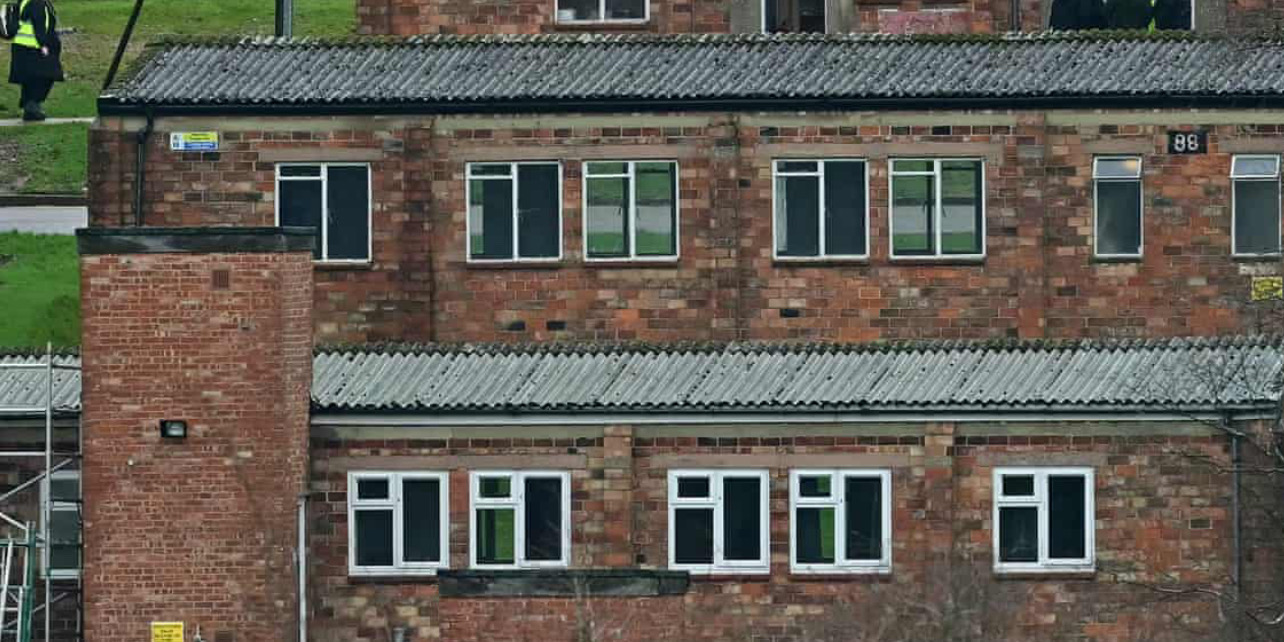
The UK government’s policy of housing asylum seekers in shared accommodation, including former military barracks, has been ruled unlawful for victims of torture and trafficking in a major High Court judgment.
The ruling presents a significant challenge to plans by Shabana Mahmood to expand the use of shared accommodation and former army sites as part of efforts to reduce reliance on asylum hotels across Britain.
According to the High Court judgment, the government acted unlawfully by forcing survivors of torture, trafficking and other serious violence to share rooms with strangers without properly assessing the risks involved.
Mr Justice Sweeting said ministers failed to consider longstanding evidence showing that shared accommodation could seriously harm vulnerable asylum seekers recovering from trauma.
The case was brought by Freedom From Torture and Helen Bamber Foundation, both of which support asylum seekers and refugees who have experienced torture, trafficking and severe abuse.
The charities argued that policy changes introduced in February 2024 removed previous safeguards that generally protected vulnerable individuals from being placed in shared rooms.
Before the changes, there had been a presumption that survivors of torture, trafficking or serious violence should not be required to share accommodation with strangers.
The court found that the Home Office failed to consult relevant organisations before introducing the policy and also neglected to carry out a proper impact assessment despite clear evidence of potential harm.
Justice Sweeting described the failures as a serious breach of public law duties, rendering the policy changes unlawful.
The judgment could affect thousands of asylum seekers currently housed in shared accommodation across the UK. Freedom From Torture estimates that around 10,000 torture survivors may be impacted by the ruling.
Natasha Tsangarides, associate director of advocacy at Freedom From Torture, described the decision as a major victory for survivors.
She said the ruling confirmed that vulnerable people had been placed at risk under the policy and criticised the government for ignoring evidence from organisations working directly with refugees and trauma victims.
The Home Office must now decide whether to restore the previous policy or attempt to reintroduce the changes after conducting proper consultations and impact assessments.
The ruling also raises questions over the government’s wider asylum accommodation strategy, which aims to move asylum seekers out of hotels and into shared housing or dormitory-style accommodation on Ministry of Defence land before the end of the current parliament.
Around 350 asylum seekers have already been moved into former military barracks in Crowborough, East Sussex, while additional plans involving Cameron Barracks in Inverness have reportedly faced delays.
A Home Office spokesperson said the department would carefully review the court’s findings and insisted lessons had been learned from previous large-scale accommodation projects.
Officials also stated that strict health and safety standards remain in place and that vulnerable individuals receive additional support where necessary.
The judgment comes as the Home Office prepares to introduce artificial intelligence facial recognition technology to estimate the ages of asylum seekers claiming to be children.
A UK technology company has reportedly secured a government contract worth more than £300,000 to develop an algorithm designed to predict a person’s age using facial analysis.
The move has already sparked concerns among campaigners and experts over the accuracy and fairness of AI-based age assessments, particularly in asylum cases involving vulnerable children and young people.
Under UK asylum rules, individuals under the age of 18 are treated differently from adults, making accurate age assessments highly significant in immigration decisions.
Previous inspections of asylum processing centres in Britain have also raised concerns about inconsistent training and the risk of incorrect age assessments in disputed cases.