
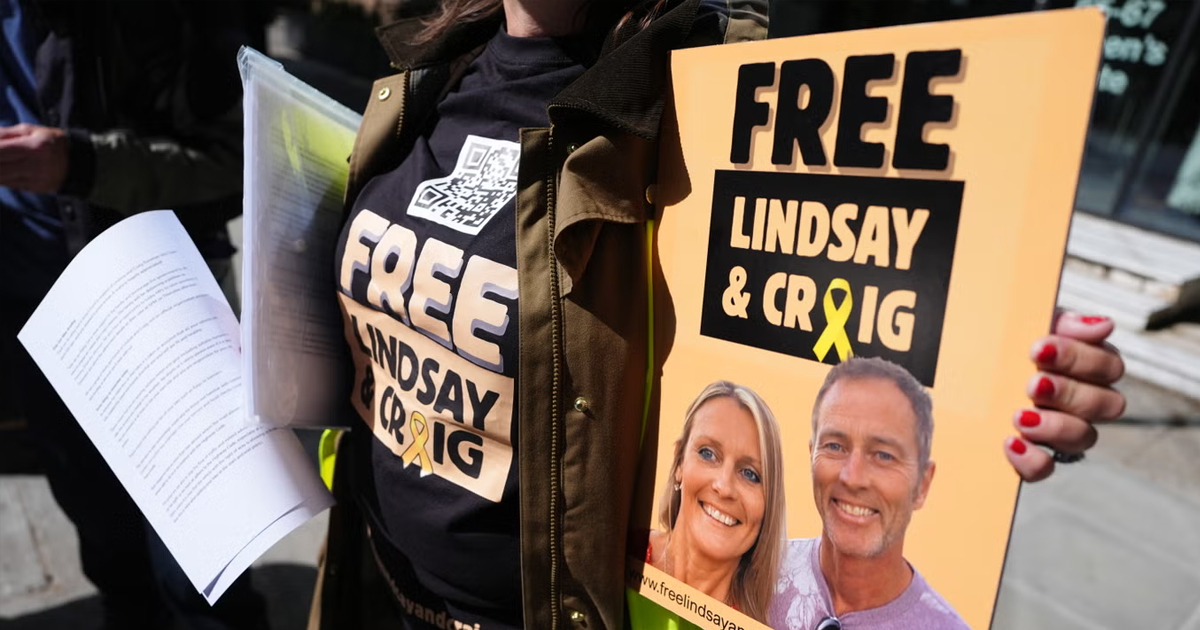
The United Nations has intensified pressure on Iran to release British nationals Craig and Lindsay Foreman, warning that their continued detention raises serious concerns about arbitrary imprisonment, violations of due process, and the potential use of foreign citizens as instruments of political leverage. The intervention by senior UN human rights experts marks the latest development in a case that has drawn increasing international attention amid growing fears for the couple’s health and wellbeing.
Craig and Lindsay Foreman, who were arrested during a long-distance motorcycle journey through Iran, have been imprisoned for more than a year and sentenced to 10 years behind bars on espionage-related charges. The couple strongly deny all allegations against them, maintaining that they entered the country legally as tourists and had no involvement in any activity that could justify the accusations brought against them.
The case has become increasingly urgent after reports emerged that both detainees have embarked on extended hunger strikes in protest against their imprisonment and the restrictions placed on communication with their family members in the United Kingdom. According to sources familiar with the matter, the couple believe they have exhausted all conventional avenues to make their voices heard and have resorted to hunger strikes as a final means of drawing attention to their situation.
United Nations Special Rapporteur on Torture Dr. Alice Edwards and Special Rapporteur on Human Rights in Iran Mai Sato issued a strongly worded statement expressing deep concern about the treatment of the British couple. The experts argued that the circumstances surrounding the case suggest that fundamental principles of justice and fair trial standards may not have been respected throughout the judicial process.
According to the UN experts, the Foremans appear to have been prosecuted under highly questionable circumstances and sentenced following proceedings that failed to meet internationally recognized standards of fairness and transparency. They emphasized that the couple should not be imprisoned and called on Iranian authorities to reconsider their detention without delay.
The UN also highlighted the potentially life-threatening consequences of the ongoing hunger strikes. Medical professionals generally regard prolonged refusal of food as a serious health emergency, particularly when it extends beyond several weeks. The experts warned that the physical condition of both detainees could deteriorate rapidly if urgent medical intervention and independent health assessments are not provided.
Beyond the immediate humanitarian concerns, the United Nations raised broader questions about Iran’s treatment of foreign nationals. In a letter made public this week, UN representatives suggested that the Foreman case may fit into a wider pattern of arbitrary detention involving foreign citizens who are accused of national security or espionage offences and later become subjects of diplomatic negotiations.
Human rights advocates have long alleged that some foreign nationals detained in Iran have been used as bargaining tools in geopolitical disputes. The UN experts stated that individuals should never become pawns in international relations and warned that arbitrary detention for political or diplomatic purposes could amount to hostage-taking under international law.
The intervention adds further scrutiny to a case that has already prompted diplomatic engagement between London and Tehran. British officials have repeatedly sought consular access and have continued discussions aimed at securing the couple’s release. The UN experts urged the United Kingdom to pursue every available diplomatic channel to ensure the safe return of the detainees.
The case gained additional attention after reports indicated that Iranian authorities had raised the situation of an Iranian national imprisoned in Britain during discussions concerning the Foremans. The individual in question has spent more than two decades in custody in the United Kingdom and has reportedly become part of wider conversations surrounding potential humanitarian resolutions.
Although the British government has historically maintained a policy against formal prisoner exchanges, legal mechanisms such as deportation remain available under certain circumstances. This has fuelled speculation about whether diplomatic negotiations could ultimately lead to an arrangement that facilitates the release of the British couple.
The situation has also drawn comparisons with previous high-profile cases involving British nationals detained in Iran. Observers have noted similarities to the prolonged imprisonment of British-Iranian citizen Nazanin Zaghari-Ratcliffe, whose release followed years of diplomatic negotiations and intense international pressure.
Family members of Craig and Lindsay Foreman have intensified their campaign to secure political support from international leaders. Relatives have urged governments on both sides of the Atlantic to prioritize the issue during ongoing diplomatic discussions involving Iran. They argue that any broader agreement concerning regional stability should also address the plight of foreign nationals currently being held in Iranian prisons.
Joe Bennett, Lindsay Foreman’s son, has publicly called for humanitarian concerns to be placed at the centre of diplomatic negotiations. He stressed that lasting peace and improved international relations should include efforts to secure the release of individuals who remain imprisoned under disputed circumstances.
The Foreman case continues to attract widespread attention from human rights organizations, legal experts, and international observers who argue that the detention raises significant questions about judicial transparency, consular rights, and the treatment of foreign nationals. As pressure mounts from the United Nations and other international actors, the focus remains on securing immediate medical protection for the couple and achieving a resolution that allows them to return safely to the United Kingdom.
With the detainees’ health reportedly deteriorating and diplomatic efforts ongoing, international scrutiny of Iran’s actions is likely to intensify in the coming weeks. Human rights advocates maintain that the case represents not only a personal tragedy for the individuals involved but also a broader test of international legal norms, state accountability, and the protection of foreign citizens abroad.