
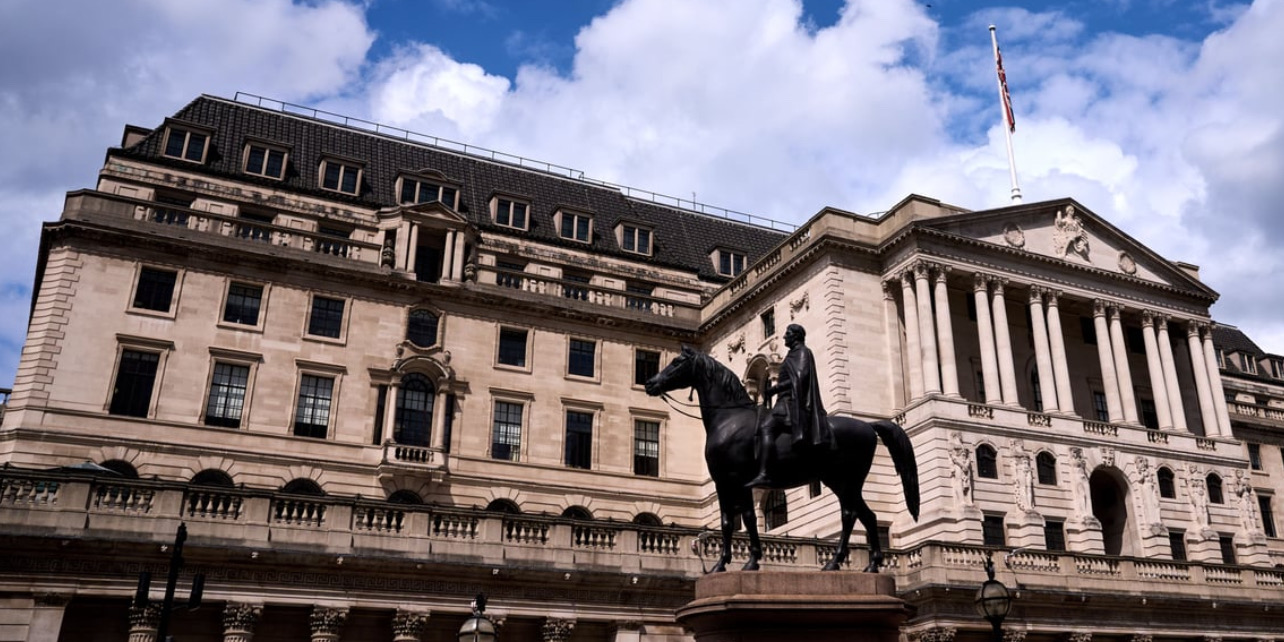
The Bank of England has kept interest rates unchanged at 3.75%, maintaining the level in place since December, while warning that inflation and living costs are expected to increase over the coming year despite easing energy prices.
Policymakers voted by a majority of seven to two to leave rates on hold at the latest meeting of the Monetary Policy Committee (MPC). However, the Bank cautioned that households could still face further price pressures as the economic effects of the Iran conflict continue to filter through the economy.
Bank of England Governor Andrew Bailey said recent developments in energy markets offered some encouragement but warned inflation risks remain.
“Oil prices have fallen in recent days, and that’s encouraging,” Bailey said.
“But they’re still higher than before the war.”
He added: “Whatever happens in the future, the higher energy prices of the past four months mean there’s already some inflationary pressure in the pipeline.”
The decision comes after US President Donald Trump announced that an agreement had been signed with Iran to guarantee safe passage through the Strait of Hormuz for 60 days, raising hopes of greater stability in global energy markets.
The prospect of a peace agreement has helped push oil prices back towards levels seen before the conflict between Iran, Israel and the United States escalated.
Reflecting the recent decline in energy costs, the Bank now expects Consumer Prices Index (CPI) inflation to remain just below 3% over the next three months before gradually rising to slightly above 3.25% by the end of 2026.
The revised forecast is lower than the projections outlined in April, when policymakers warned inflation could climb much higher. Under the most optimistic scenario at the time, inflation was expected to peak at around 3.6% this year, while a worst-case scenario projected a rise to as much as 6.2% if oil prices remained elevated.
Despite the improved outlook, the Bank noted that previous spikes in fuel and energy costs have already contributed to inflationary pressures across the economy.
Official figures released this week showed UK inflation remained unchanged at 2.8% in May, still above the Bank’s 2% target.
While most MPC members favoured holding rates steady, Megan Greene and Huw Pill voted for a quarter-point increase to 4%, citing concerns over inflation uncertainty and the potential for renewed volatility in energy markets.
The split vote highlights ongoing concerns among policymakers about the pace at which inflation will return to target, even as global energy markets show signs of stabilising.