
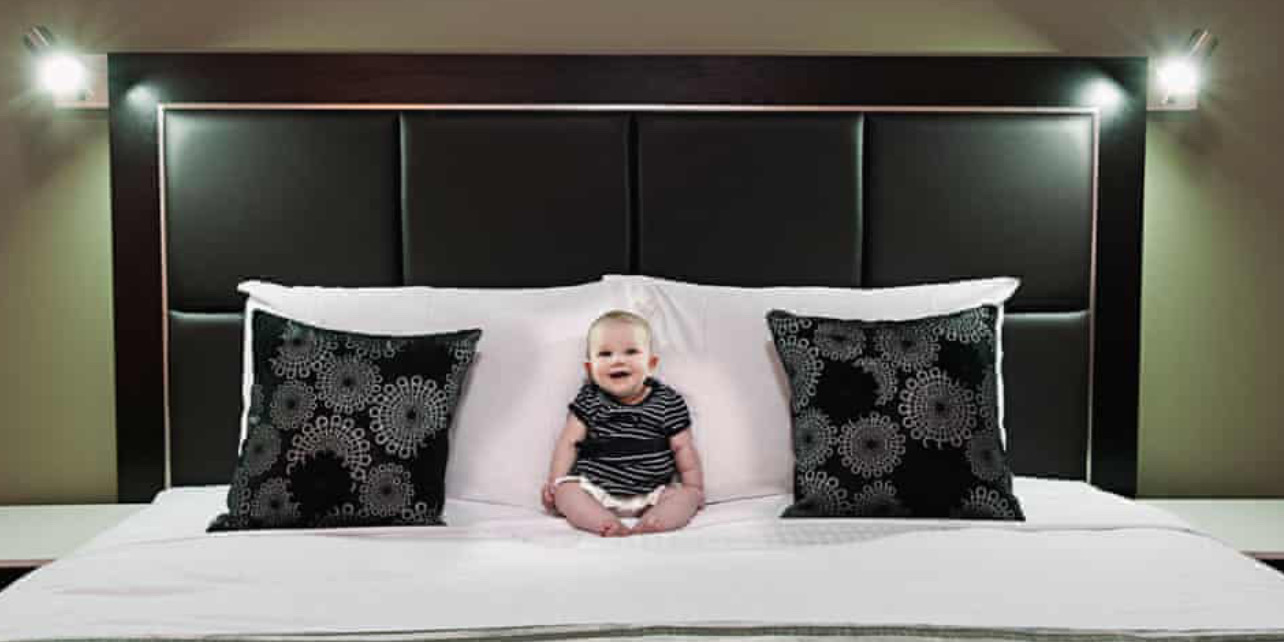
Families across the UK are increasingly turning to air-conditioned hotels as soaring temperatures continue to grip the country, with parents of newborn babies among those seeking cooler accommodation to protect vulnerable family members during the prolonged heatwave.
Hospitality businesses and booking platforms have reported a sharp increase in demand for air-conditioned rooms as Britain experiences one of its hottest periods on record. The surge comes as record-breaking temperatures, official heat warnings and concerns over public health prompt many households to seek temporary relief from overheated homes.
Industry data suggests that the current heatwave has significantly altered consumer booking behaviour, with travellers placing greater emphasis on climate-controlled accommodation than ever before.
Demand for Air-Conditioned Hotels Climbs Sharply
New figures from accommodation platform Booking.com reveal that searches using the “air-conditioning” filter have tripled across Great Britain since the beginning of June. The increase closely coincides with the exceptional spell of hot weather affecting the UK and much of northern Europe.
The trend reflects growing consumer awareness of the importance of staying cool during periods of extreme heat, particularly as temperatures across England and Wales have repeatedly climbed into the mid-to-high 30-degree Celsius range.
The recent heatwave has prompted many travellers to prioritise comfort and safety over traditional holiday planning, with hotels offering air-conditioned rooms experiencing particularly strong demand.
Payment technology company Adyen also reported a substantial increase in hotel spending during the hottest period of the month. According to authorised transaction data collected across Great Britain, hotel revenue increased by 34% between 22 and 25 June compared with the corresponding period last year.
The figures indicate that many consumers opted for short domestic hotel stays specifically to escape uncomfortable indoor temperatures at home.
Record Temperatures Fuel Consumer Behaviour
The latest surge in bookings follows one of the hottest weeks ever recorded in the UK. The Met Office issued multiple extreme heat warnings as temperatures reached exceptional levels across large parts of England and Wales.
The country also provisionally recorded a new June temperature record of 36.9C at Wattisham in Suffolk, underscoring the severity of the heatwave and intensifying public concerns about the health risks associated with prolonged exposure to extreme temperatures.
Experts have consistently warned that infants, older adults and individuals with underlying health conditions are among those most vulnerable during periods of excessive heat.
As a result, many families—particularly those caring for newborn babies—have sought temporary accommodation equipped with reliable air conditioning to provide safer sleeping conditions.
Parents Prioritise Babies’ Comfort and Safety
Hotel operators report a noticeable increase in enquiries from parents searching specifically for air-conditioned rooms suitable for newborn children.
Heartwood Inns, which operates pubs with guest accommodation across the UK, said occupancy levels reached approximately 86% during the current heatwave, with many properties operating at or near full capacity.
The company also noted a significant change in customer enquiries, with roughly one-third of callers asking whether bedrooms featured air conditioning before making a reservation.
Managers said many of these enquiries came from parents concerned about maintaining safe indoor temperatures for young babies, who often struggle to regulate their body temperature during extreme weather.
For many families, spending one or two nights in a climate-controlled hotel has become a practical solution to escaping overheated homes where indoor temperatures remain uncomfortably high even overnight.
Hotels Report Strong Occupancy Growth
The heatwave has delivered an unexpected boost for hotels across England, particularly those able to advertise air-conditioned guest rooms.
Templeton Garden Hotel in London reported operating at full capacity during the hottest days of the week, reflecting growing demand from both local residents and visitors seeking respite from soaring city temperatures.
General manager Dean Culpan said guests increasingly viewed the hotel as a comfortable retreat where they could relax, work remotely or simply escape the oppressive heat. Alongside increased room bookings, the hotel also experienced stronger demand for shaded outdoor dining areas and terrace spaces, where customers could enjoy cooler surroundings.
Similarly, The Feathers Hotel in Woodstock reported a significant increase in occupancy linked directly to the heatwave.
Hotel operations manager Gemma Jones said occupancy rose from 74% to 81% over the course of the week as more guests made last-minute reservations.
According to Jones, several prospective guests specifically asked whether rooms were air-conditioned before confirming their bookings, demonstrating how cooling facilities have become a decisive factor during periods of extreme weather.
Last-Minute Stays Replace Traditional Holidays
Unlike conventional holiday bookings planned months in advance, many recent reservations have been made at short notice.
Hotel operators say numerous guests are local couples or families living within driving distance who simply want temporary relief from uncomfortable conditions at home rather than extended holidays.
Several guests have reportedly extended overnight stays into multi-day visits after experiencing the benefits of cooler accommodation.
Hospitality businesses suggest that air-conditioned bedrooms have become one of the strongest selling points during the current heatwave, particularly as many British homes were not designed to cope with prolonged periods of exceptionally high temperatures.
Heatwave Highlights Changing Consumer Priorities
The current spike in hotel demand reflects broader changes in consumer behaviour as extreme weather events become more frequent.
Historically, air conditioning has not been considered an essential feature in many UK hotels or residential properties. However, increasingly intense summer temperatures are encouraging both consumers and businesses to reassess expectations regarding indoor climate control.
The growing demand for air-conditioned accommodation also illustrates the wider economic impact of heatwaves across multiple sectors. While some businesses have benefited from increased customer activity, the hospitality industry’s experience demonstrates how consumer priorities shift rapidly during periods of extreme weather.
As Britain continues to experience unusually high summer temperatures, hotel operators anticipate that demand for climate-controlled accommodation may remain elevated throughout the warmer months. For many families—especially those caring for infants—access to cool, comfortable indoor environments has become less of a luxury and increasingly a matter of health, safety and peace of mind during extreme heat.