
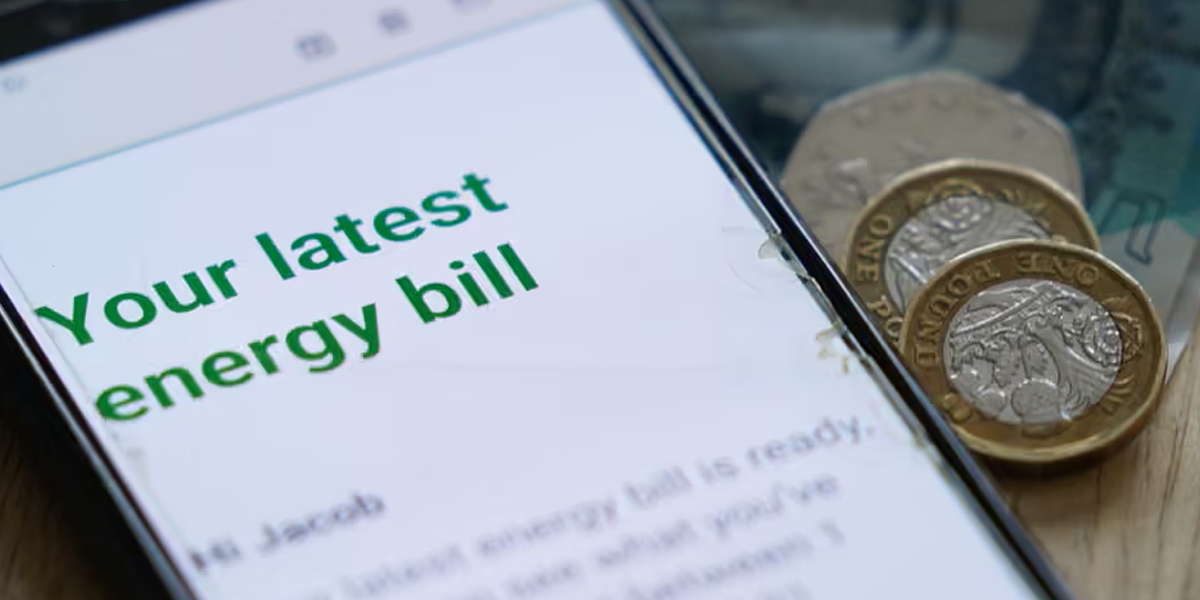
The UK Government is facing intensified calls to implement measures aimed at reducing household energy costs as millions of families prepare for the largest summer increase in gas and electricity bills in four years. From Wednesday, the energy price cap will rise by 13%, increasing the average annual household bill to £1,862 and placing additional financial strain on consumers already grappling with record levels of energy debt and persistent cost-of-living pressures.
The latest adjustment to the energy price cap comes only days after industry regulator Ofgem reported that unpaid household energy bills have reached their highest level on record. The figures reveal that consumer energy debt has increased by £240 million over the past three months alone, bringing the national total to almost £4.8 billion. The data has reignited debate over the affordability of household energy and prompted fresh appeals for government intervention before winter demand places further pressure on vulnerable households.
Energy Price Cap Drives Higher Household Bills
The revised price cap reflects sustained increases in wholesale gas and electricity costs, which suppliers will begin passing on to consumers from 1 July. The increase is expected to remain in effect until the next quarterly review takes place in October.
Although the price cap has temporarily shielded households from the full impact of rising wholesale prices over recent months, analysts say the latest adjustment reflects prolonged market volatility driven largely by geopolitical tensions affecting global energy supplies.
One of the principal factors behind higher wholesale prices has been ongoing disruption to international oil and gas shipments through the Strait of Hormuz following regional conflict involving Iran. Continued uncertainty surrounding global energy markets has significantly increased procurement costs for suppliers, ultimately resulting in higher bills for domestic consumers across Great Britain.
Record Energy Debt Raises Concerns
Fuel poverty organisations have warned that the latest increase could push even more households into financial hardship.
James Mabey, policy analyst at National Energy Action, highlighted the growing social consequences of rising energy debt, warning that unpaid bills often force families to make impossible choices between heating their homes and meeting other essential living expenses.
According to the charity, the consequences extend far beyond unpaid utility accounts. Households burdened by energy debt frequently experience colder living conditions, heightened anxiety and long-term financial insecurity, prompting campaigners to advocate for expanded debt relief measures and greater government assistance.
Consumer groups argue that immediate intervention is needed to prevent another significant rise in fuel poverty during the coming winter, particularly among lower-income households already struggling with inflation and higher housing costs.
Energy Industry Calls for Market Reform
Energy suppliers are also urging ministers to accelerate long-term reforms designed to reduce household dependence on expensive natural gas.
Nigel Pocklington, Chief Executive of Good Energy, described rising utility bills as an increasingly serious financial challenge affecting millions of families across the country.
He argued that Britain requires urgent structural reform of its electricity market to deliver more affordable energy while supporting the transition toward domestically generated renewable power.
According to Pocklington, reducing dependence on volatile international gas markets would provide households with greater price stability while strengthening national energy security.
Industry representatives maintain that cleaner domestic electricity generation should translate into lower consumer bills, provided pricing mechanisms are restructured to reflect the lower production costs associated with renewable energy.
Proposal to Separate Electricity Prices from Gas
Among the most prominent proposals gaining support is the plan to decouple electricity prices from wholesale gas prices.
Currently, electricity prices are largely determined by the cost of the most expensive source of generation required to meet demand, which is frequently gas-fired power stations. As a result, even electricity generated through cheaper renewable sources is often sold at prices linked to expensive gas markets.
Good Energy has joined environmental organisations and energy analysts in urging the Government to establish a strategic reserve for gas-fired power plants. Under this proposal, gas stations would receive fixed payments to remain available only during periods of exceptionally high demand, rather than regularly setting electricity market prices.
Supporters believe the reform could reduce annual household energy bills by approximately £60 while preserving the reliability of Britain’s electricity supply.
Separate analysis conducted by Greenpeace and consultants at Stonehaven suggests the proposal could be implemented within two years and provide meaningful financial relief for consumers.
Additional Measures Proposed to Cut Bills
Good Energy has also recommended broader reforms to reduce household energy costs.
Among its proposals is shifting the cost of funding government environmental and social energy programmes away from consumer bills and instead financing them through general taxation. The company argues this change would immediately reduce bills for all households while distributing costs more progressively across the wider tax system.
In addition, the supplier has called for an expansion of the Warm Home Discount Scheme by increasing support payments from current levels to £450 annually for approximately six million vulnerable households.
According to company estimates, these combined measures would cost the Treasury approximately £10.1 billion but could reduce annual energy costs for the average household by £76 while delivering savings of up to £376 for eligible low-income families.
When combined with previously announced government measures expected to reduce bills by around £150 annually, Good Energy estimates total savings could reach approximately £270 per household each year, bringing the Government closer to its long-term ambition of reducing household energy costs by £300 annually before the end of the decade.
Political Pressure Intensifies
The issue is expected to become an immediate priority for the incoming government, with policymakers facing increasing demands to deliver meaningful relief before colder weather returns later this year.
Consumer organisations, charities and energy providers alike argue that structural reform is now essential to protect households from future global energy shocks and reduce Britain’s continued exposure to volatile gas markets.
Political leaders are also facing growing pressure to balance investment in renewable energy with practical measures capable of lowering consumer bills in both the short and long term.
Government Highlights Existing Support
Responding to the renewed calls for action, a government spokesperson said ministers have already taken steps to reduce household energy costs by removing approximately £150 worth of policy-related charges from future energy bills.
The government also highlighted the expansion of the Warm Home Discount Scheme, which now covers around six million eligible households, providing targeted assistance to those most vulnerable to rising energy prices.
Officials added that further work is underway to reduce the influence of gas on electricity pricing while accelerating investment in homegrown energy production to strengthen energy security and better protect consumers from future international market disruptions.
As households prepare for another increase in utility costs, the debate over energy affordability is expected to remain at the forefront of the UK’s political and economic agenda, with campaigners urging ministers to move beyond temporary relief measures and implement lasting reforms capable of delivering lower, more stable energy bills for consumers across Great Britain.