
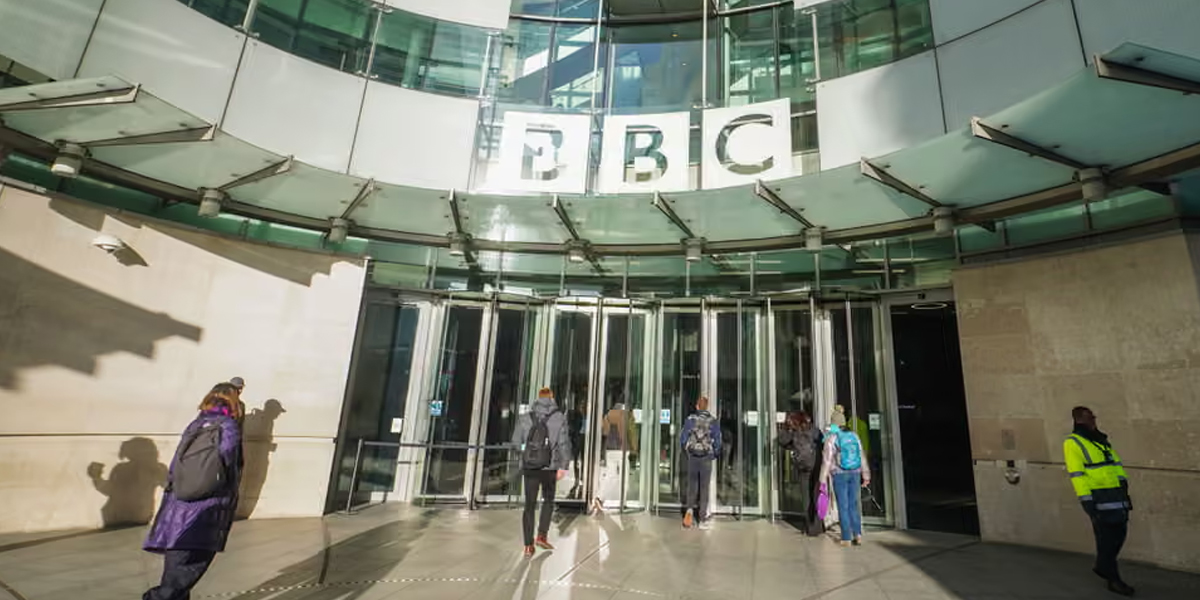
Growing dissatisfaction is spreading across the BBC workforce after employees were offered a 1% pay increase despite inflation remaining significantly higher and the corporation moving ahead with a major restructuring programme that is expected to eliminate thousands of jobs over the coming years. The proposed salary adjustment has been widely criticised by staff and trade unions as inadequate, with many warning that industrial action is becoming increasingly likely unless meaningful progress is made in negotiations.
The dispute comes at a particularly challenging time for the public broadcaster, which is implementing an extensive cost-saving strategy aimed at addressing financial pressures caused by declining licence fee revenues. The restructuring plan is expected to result in the loss of up to 2,000 positions over the next three years, creating widespread uncertainty among employees regarding both their financial security and long-term employment prospects.
Trade unions representing BBC staff have formally rejected the pay proposal, arguing that it fails to reflect the ongoing cost-of-living pressures faced by workers across the United Kingdom. Many employees believe that accepting a pay increase well below the current rate of inflation would effectively amount to a reduction in real wages, further intensifying concerns over living standards.
The growing frustration has prompted discussions among staff about possible industrial action. While a full-scale strike remains one option, some employees are reportedly considering alternative forms of protest, including working to rule. Such measures would involve staff performing only the duties explicitly outlined in their contracts and refusing additional responsibilities that have become commonplace within the organization.
The dispute presents an early leadership challenge for BBC Director-General Matt Brittin, who assumed the role while the broadcaster was already preparing to implement significant financial reforms. Brittin has inherited the responsibility of overseeing a cost-reduction programme designed before his appointment, with the BBC aiming to achieve savings estimated at approximately £500 million.
The financial constraints affecting the broadcaster stem largely from declining income generated through the television licence fee, the BBC’s principal source of funding. These budgetary pressures have forced management to pursue extensive operational changes, including workforce reductions, departmental restructuring and programming adjustments intended to improve long-term financial sustainability.
Employee concerns have been amplified by recent restructuring announcements that have already affected several high-profile BBC programmes. Among the most notable decisions is the planned closure of The World Tonight, a long-running current affairs programme that has been a fixture of BBC radio journalism for more than five decades. The programme’s cancellation has become emblematic of the broader transformation taking place across the corporation.
Industry observers note that the planned restructuring extends beyond behind-the-scenes operations, with several prominent on-air personalities also expected to leave as part of the cost-cutting initiative. The combination of workforce reductions and limited salary growth has created a climate of uncertainty across multiple departments within the broadcaster.
According to the proposed pay arrangement, employees would receive either a 1% salary increase or a fixed payment of £500, depending on whichever amount is greater. The structure was designed to provide relatively greater support to lower-paid staff. However, critics argue that even employees on the lowest salary bands outside London would continue to receive increases that fall below the prevailing rate of inflation.
The proposal has therefore failed to satisfy staff representatives, who maintain that employees continue to experience a decline in purchasing power as living costs remain elevated. Many workers argue that the BBC should do more to protect staff incomes while simultaneously recognising the increasing workloads many employees have assumed during successive rounds of restructuring.
Trade unions have intensified pressure on BBC management by emphasizing that employees have continued delivering high-quality public service broadcasting despite sustained financial constraints and organizational change.
Unions Reject Below-Inflation Pay Offer
The broadcasting union Bectu has strongly criticised the proposed settlement, acknowledging the financial pressures facing the BBC while maintaining that a 1% pay rise is unacceptable during a prolonged cost-of-living crisis. Union leaders argue that the dispute highlights broader questions surrounding the long-term financial sustainability of the BBC and the need for a more secure funding model capable of protecting its public service mission.
Similarly, the National Union of Journalists has argued that the offer fails to adequately reward journalists and media professionals who continue to provide trusted, independent reporting under increasingly demanding circumstances. The union maintains that investment in experienced editorial staff is essential to preserving the quality and credibility of the BBC’s journalism.
Negotiations between BBC management and union representatives are now expected to proceed through the Advisory, Conciliation and Arbitration Service (Acas) in an effort to resolve the dispute without industrial action. However, many employees reportedly believe that strike action has become increasingly difficult to avoid if discussions fail to produce a substantially improved offer.
Financial Pressures Continue to Shape BBC Strategy
The ongoing pay dispute coincides with broader discussions regarding the future funding model of the BBC. Alongside implementing internal cost reductions, the broadcaster is engaged in negotiations with the UK government concerning the renewal of its Royal Charter and the long-term sustainability of the licence fee system.
Among the proposals reportedly under consideration is expanding the scope of the licence fee to include households that primarily consume television content through streaming platforms rather than traditional live broadcasts. Supporters argue such changes would modernise the funding system in line with evolving viewing habits, although any expansion could face opposition from streaming service providers.
The outcome of both the pay negotiations and the wider funding discussions will likely play a significant role in determining the BBC’s operational direction over the coming years. For employees, however, the immediate priority remains securing a pay settlement that better reflects current economic conditions while providing reassurance amid ongoing organizational restructuring.
With unions maintaining their opposition and staff frustration continuing to grow, the possibility of industrial action now represents one of the most significant workforce challenges facing the BBC in recent years. The coming weeks are expected to prove critical as negotiations continue and both management and employee representatives seek a resolution that balances financial realities with staff expectations.