
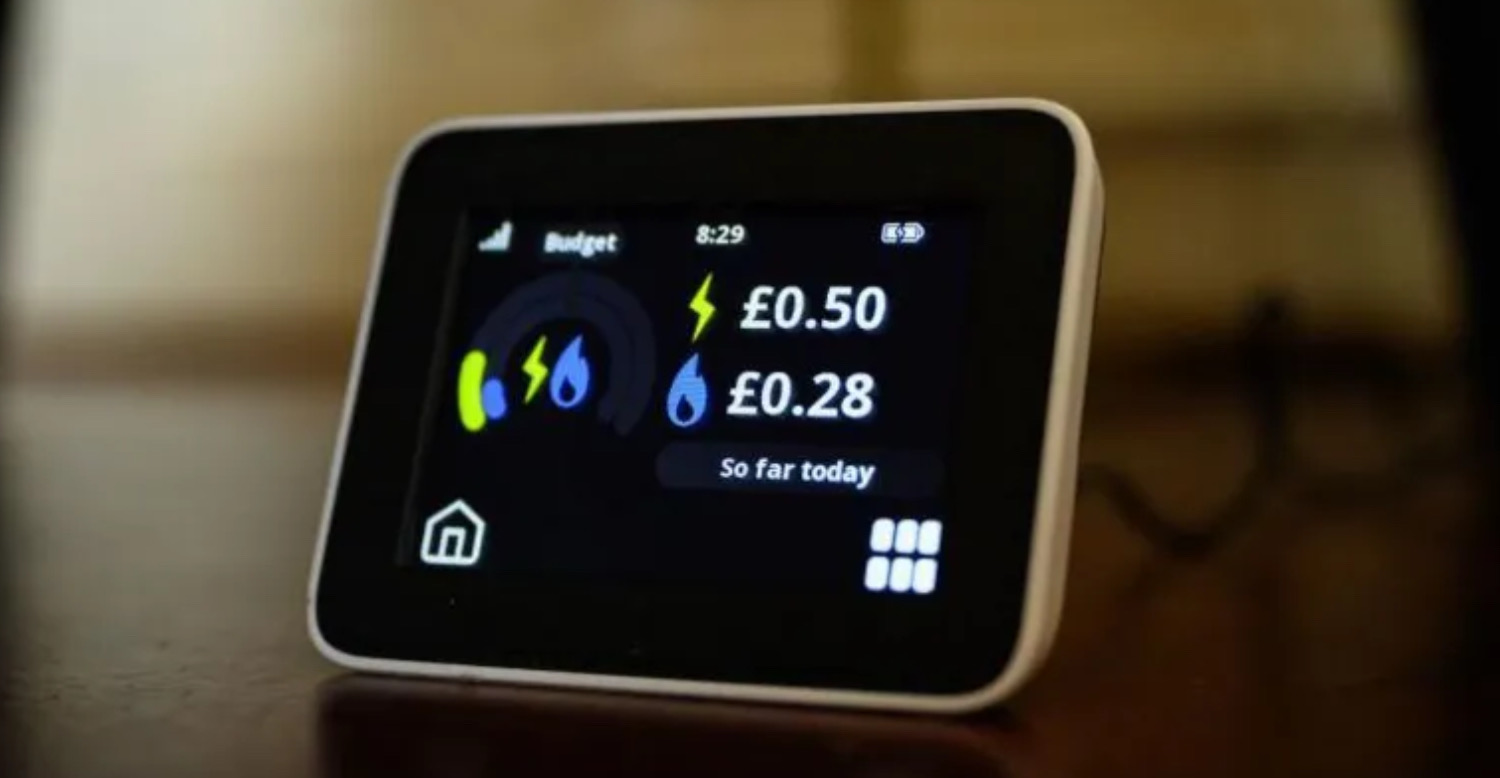
Thousands of households across Northern Ireland are set to face higher electricity bills after Budget Energy confirmed a 9.5% increase in residential electricity prices, adding further pressure to consumers already grappling with the rising cost of living. The latest adjustment, which will take effect on 4 August, reflects ongoing volatility in wholesale energy markets, persistent geopolitical uncertainty, and sustained cost pressures affecting the wider energy sector.
The revised tariffs will apply exclusively to residential customers on variable electricity plans, impacting both electricity unit rates and standing charges. Customers currently subscribed to fixed-price tariffs will remain unaffected by the increase, providing temporary protection from the latest round of price adjustments. Budget Energy stated that all affected customers will receive advance notification outlining the revised pricing structure and available tariff options before the new rates come into force.
The announcement places Budget Energy alongside every major electricity supplier in Northern Ireland that has either implemented or announced tariff increases in recent weeks. The sector continues to experience significant pricing pressures as energy providers respond to elevated wholesale electricity costs and broader market instability, resulting in higher household energy expenses across the region.
According to Budget Energy, the decision to increase prices was driven primarily by continued fluctuations in international wholesale energy markets, compounded by geopolitical developments that have disrupted global energy supply chains and contributed to higher procurement costs. The company noted that these external factors continue to create uncertainty for suppliers and have made maintaining existing tariff levels increasingly challenging.
Budget Energy NI Managing Director Ken O’Byrne acknowledged the financial impact the increase will have on customers, particularly during a period when many households are already experiencing higher living expenses.
He stated that the company recognizes the announcement is unwelcome for consumers but emphasized that the business will continue monitoring market conditions closely. He also encouraged customers to review their current electricity plans to determine whether alternative tariff options may better suit their energy usage and financial circumstances.
The latest increase follows similar announcements from other electricity suppliers operating in Northern Ireland. Recently, SSE Airtricity confirmed that residential electricity bills will rise by 6.2% from 1 August, adding approximately £71.57 annually to the average household electricity bill. Earlier, Power NI also introduced a 6.2% increase in electricity unit prices, which became effective on 1 July.
With Budget Energy now implementing its own tariff revision, all five electricity suppliers serving the Northern Ireland market have either raised prices or announced upcoming increases, highlighting the widespread challenges affecting the energy industry.
The Consumer Council estimates that approximately 105,000 Budget Energy domestic customers using either BillPay or keypad payment methods will be directly affected by the latest price adjustment. The organization warned that the increase will significantly raise annual electricity costs for many households already managing stretched household budgets.
According to the Consumer Council’s analysis, the 9.5% tariff increase will add approximately £122 annually to the electricity bills of a typical credit customer. Standard-rate keypad customers are expected to pay around £121 more each year.
As a result, the average annual electricity bill for a standard credit customer supplied by Budget Energy is projected to increase to approximately £1,403, while the average yearly bill for customers using standard keypad tariffs will reach around £1,390.
Consumer Council Head of Energy Policy Raymond Gormley urged consumers to actively review how they pay for electricity, explaining that payment methods can significantly influence overall household energy costs.
He noted that customers paying upon receipt of a paper bill generally face the highest electricity charges and encouraged households to consider switching payment methods, changing billing arrangements, or comparing alternative suppliers where possible to reduce overall expenditure.
Gormley also advised customers experiencing financial difficulties not to ignore mounting energy bills but instead to contact their electricity supplier as early as possible. Suppliers may be able to discuss payment arrangements or recommend alternative tariff options that better reflect individual household consumption patterns.
The latest increase comes against a backdrop of continuing uncertainty across global energy markets. Wholesale electricity prices remain vulnerable to geopolitical tensions, supply disruptions, fluctuating fuel prices, and broader economic pressures that continue to influence operating costs throughout the energy sector. While market conditions have stabilized compared with the peak of the international energy crisis, suppliers continue to face higher procurement costs than historical averages.
For consumers, the cumulative effect of successive tariff increases means household energy expenditure remains considerably higher than in previous years. Rising electricity prices, combined with broader inflationary pressures affecting food, housing, transport, and other essential services, continue to place additional strain on disposable household incomes.
Energy experts continue to encourage households to monitor their electricity consumption, improve energy efficiency where practical, compare available tariff options regularly, and seek support promptly if payment difficulties arise. Consumer organizations also recommend reviewing billing methods, as certain payment arrangements may offer lower standing charges or more competitive unit rates.
As Budget Energy prepares to implement its revised tariffs in August, many households across Northern Ireland are expected to reassess their energy budgets amid continuing market uncertainty. Whether wholesale energy prices stabilize in the coming months will likely determine whether consumers experience further increases or eventually see greater pricing stability as the market adjusts to evolving global economic and geopolitical conditions.