
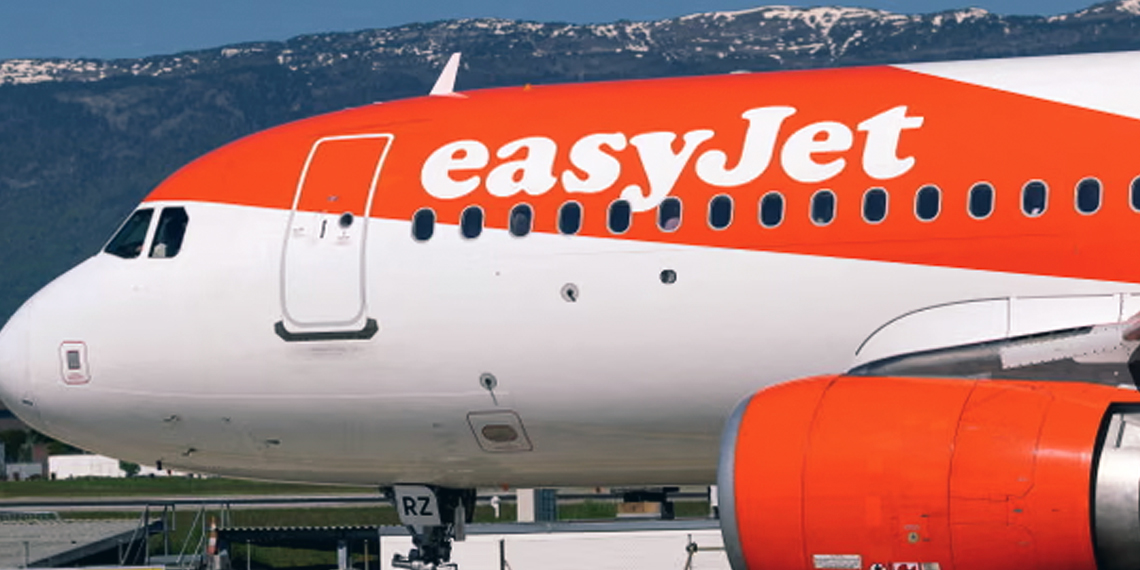
EasyJet has reported a 70% fall in profits after rising fuel costs and changing travel patterns linked to the conflict in Iran put pressure on the airline’s finances.
The low-cost carrier recorded a pre-tax profit of £85 million between April and June, down from £286 million during the same period last year. The company said fuel costs increased by £105 million after tensions in the Middle East pushed global energy prices higher.
The profit decline comes just weeks after easyJet became the subject of a £5.7 billion takeover battle between two US investment firms.
The airline’s board initially backed a £5.5 billion offer from Castlelake before recommending a higher £5.7 billion bid from Apollo Global Management, which values the company at more than £7 per share. However, uncertainty remains over the deal due to possible European Union scrutiny of airline ownership rules.
EasyJet said customer demand had started to recover, although passengers are continuing to book flights closer to their departure dates than in previous years.
The airline warned that its financial outlook for the rest of the year would depend on future bookings and the direction of fuel prices, which remain volatile.
The company’s results follow a similar downturn at rival budget airline Ryanair, which reported a 34% fall in quarterly profits due to higher jet fuel costs caused by the Iran conflict.
Despite the financial pressures, easyJet said summer demand remained strong, with increased last-minute bookings helping support ticket sales.
Chief Executive Kenton Jarvis said: “Pricing has been attractive, driving strong late booking demand for our flights and holidays.”
He added that bookings had been particularly strong during the month of departure and expected August demand to exceed last year’s levels.
Average fares were around 1% lower than a year earlier, despite significant increases in operating costs.
Jarvis also said concerns over the European Union’s new Entry/Exit System (EES) border checks had not resulted in major disruption during the early summer travel period.
Several European countries, including Greece, have temporarily eased biometric checks under EU flexibility measures until September to help manage queues.
Jarvis said the measures had helped reduce delays but argued that the flexibility should continue beyond September due to expected travel demand later in the year.
EasyJet has also encouraged airports to extend early check-in periods where possible to reduce the impact of potential EES delays. However, the airline has not experienced a repeat of disruption seen at Milan airport in April, when around 100 passengers were stranded following border control problems.
Despite the fall in profits, easyJet shares rose more than 5% in early trading after recovering from a sharp decline the previous day following reports that EU ownership rules could affect the takeover process.
European officials are considering tighter airline ownership regulations aimed at ensuring strategic control of regional carriers remains within Europe. Current EU rules require airlines to have at least 51% local ownership.
While Castlelake has identified EU citizens as co-investors, Apollo has yet to reveal how it plans to meet the ownership requirements.
Jarvis dismissed concerns that the regulatory review could affect the takeover process, saying any changes were unlikely to be introduced before the end of 2026 and would involve a lengthy consultation period.
Analysts have warned that the takeover battle could become a distraction for easyJet as it focuses on improving performance.
Garry White, chief investment commentator at wealth management firm Raymond James, said the competing bids highlighted the belief among investors that easyJet’s market value had been underestimated.
He said the takeover interest reflected confidence in the airline’s future growth prospects despite recent financial challenges.
