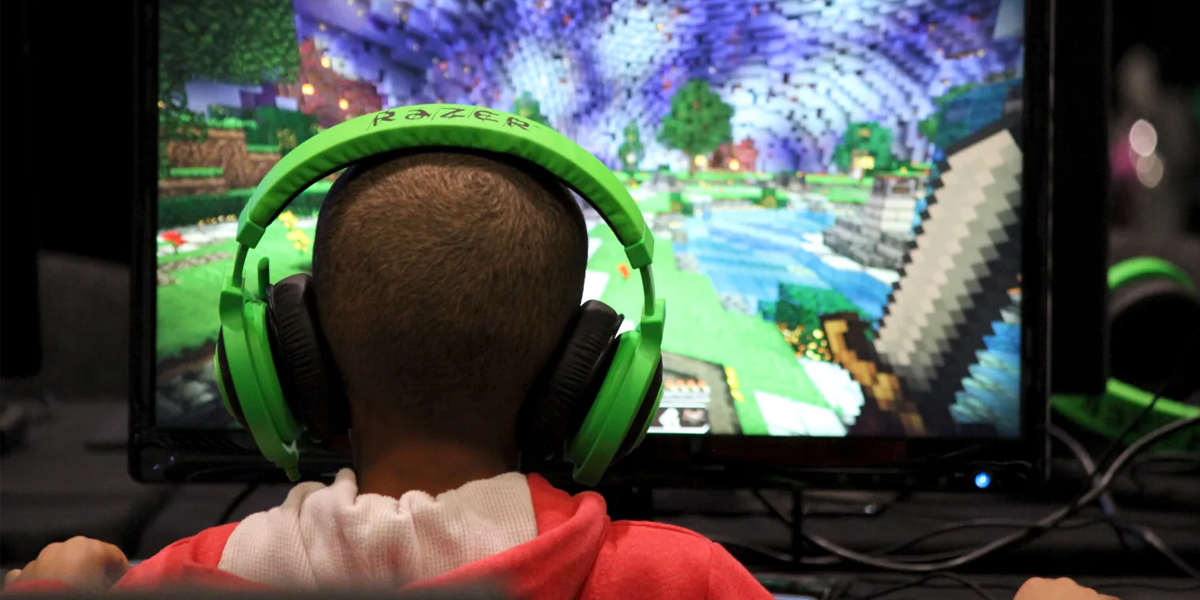
Nearly two-thirds of young people referred for specialist treatment at the UK’s National Centre for Gaming Disorders are aged just 13 to 15, highlighting a sharp rise in gaming addiction among British teenagers.
Data obtained through Freedom of Information requests shows referrals to the London-based NHS clinic have increased more than fivefold compared with 2019–20, when only 20 cases were recorded nationwide. The figures underline growing concern among health professionals about the impact of excessive gaming on children’s mental health and development in the UK.
Sharp rise since pandemic years
Last year’s referrals represent the highest number since the National Centre for Gaming Disorders opened in 2019. Central and North West London NHS Foundation Trust, which runs the service in Earls Court, said most patients were referred due to “harming gaming behaviour involving multiple games”.
Among the children referred, nine were heavily engaged with the fantasy role-playing game World of Warcraft, six with the online shooter Fortnite, five with Minecraft, and five with Roblox, a platform particularly popular with younger users.
Clinicians say many cases involve long gaming sessions, disrupted sleep, withdrawal from education, and deteriorating family relationships.
Gaming disorder recognised as a medical condition
Gaming disorder was formally recognised as a mental health condition in 2018 when it was added to the World Health Organization’s International Classification of Diseases. It is defined as impaired control over gaming, increasing priority given to gaming over daily activities, and continuation despite negative consequences.
To receive a diagnosis in the UK, symptoms must cause significant disruption to personal, family, social or educational life for at least 12 months.
Experts warn of growing risks for children
Professor Mark Griffiths, a behavioural addiction specialist at Nottingham Trent University, said the rising numbers reflect increased awareness of gaming disorder rather than a sudden epidemic, but warned that the risks for vulnerable children are growing.
He said advances in technology mean young people can now be online constantly, increasing exposure for those already prone to compulsive behaviours. He also raised concerns about the growing monetisation of games through in-app purchases, subscriptions and virtual currencies.
“When spending real money becomes part of gaming, that’s when problems can escalate,” he warned, drawing parallels with gambling-related harm.
Symptoms mirror other addictions
According to specialists, gaming addiction can produce withdrawal symptoms similar to other behavioural addictions, including irritability, anxiety, frustration and physical reactions such as nausea or sweating when gaming is restricted.
Professor Griffiths said the disorder often compromises education and relationships and can be difficult to treat without early intervention.
NHS treatment and family support
The National Centre for Gaming Disorders offers NHS-funded treatment focused on reducing harmful gaming habits rather than banning games entirely. Treatment includes cognitive behavioural therapy, individual and group sessions, family therapy and parent workshops.
Health leaders say early support is crucial as the number of young people seeking help continues to rise, particularly following increased screen time during and after the Covid-19 pandemic.
