
UK government borrowing costs have climbed to their highest level in 18 years while the pound weakened further amid growing political uncertainty surrounding the Labour leadership contest.
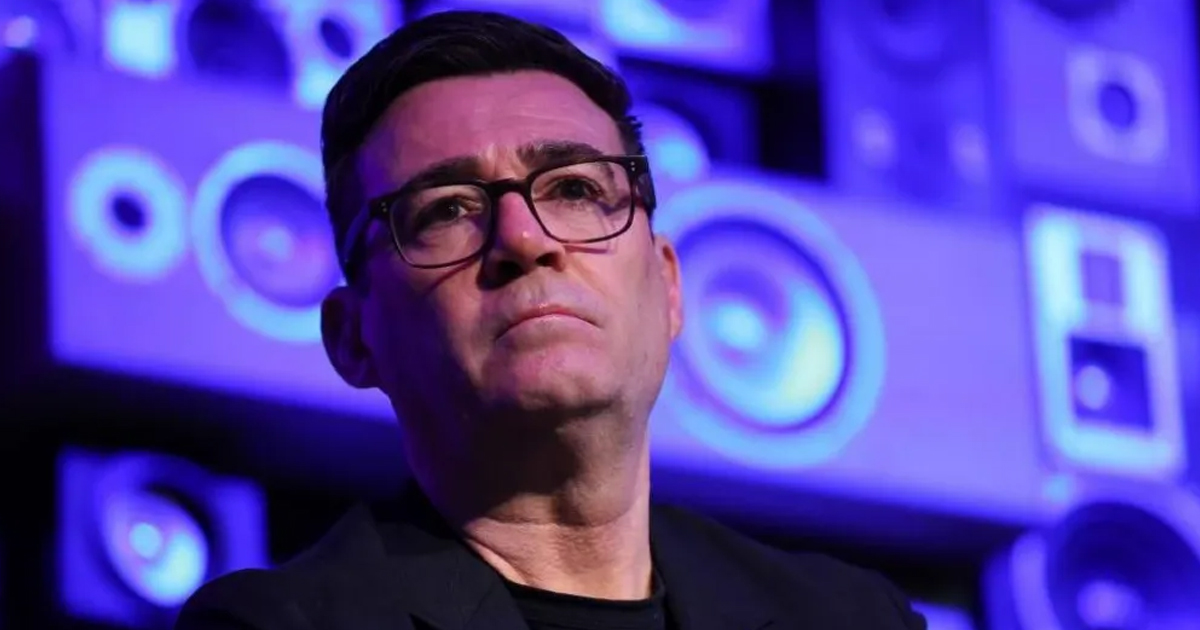
Financial markets reacted sharply after Andy Burnham confirmed he would contest a parliamentary by-election in a move widely seen as the first step towards a potential challenge for the Labour leadership.
The yield on 10-year UK government bonds — effectively the interest rate the government pays to borrow money over a decade — rose above 5.17% on Friday, reaching its highest level since 2008.
Meanwhile, the pound fell by 0.3% against the US dollar to around $1.336, extending losses that began after Burnham’s announcement on Thursday evening.
Analysts said investors are increasingly concerned that a government led by Burnham could increase public spending and borrowing at a time when Britain is already facing high debt levels.
Kathleen Brooks, research director at XTB, said the market reaction suggested Burnham was viewed as less financially reassuring than other potential Labour leaders.
“This is a sign that Burnham is the least market-friendly of all the candidates, as Wes Streeting’s resignation did not have the same negative effect on the pound,” she said.
According to Brooks, sterling has now fallen around 1.5% against the dollar over the past week.
Long-term borrowing costs also continued to rise sharply, with 30-year gilt yields reaching 5.84% — the highest level in nearly three decades.
Although borrowing costs rose across Europe on Friday amid concerns over the economic fallout from the Iran war and rising energy prices, analysts said UK market movements were notably more severe because of domestic political instability.
Oil prices also surged during trading, with Brent crude climbing above $109 per barrel before easing slightly later in the day.
Investors have become increasingly nervous following Burnham’s previous criticism of financial markets.
In an interview with the New Statesman last year, Burnham said the government needed to “get beyond this thing of being in hock to the bond markets”.
Russ Mould, investment director at AJ Bell, said those remarks had intensified investor concerns.
“His New Statesman comment had helped push UK borrowing costs higher and seen the pound slump,” Mould said.
“A process involving Burnham also promises to be more protracted and ‘noisy’, thereby prolonging and exacerbating the uncertainty about the political situation in the UK.”
Brooks warned that markets are now reacting both to fears of a political shift further to the left and uncertainty surrounding Labour’s internal turmoil.
“Overall, UK politics is a mess, there are already signs that foreign buyers are ditching the gilt market,” she said.
“If there is a major rout in the pound and/or gilts in the coming days, prospective candidates may need to assess whether now was a wise time to make a move against the PM.”
Mohit Kumar, economist at Jefferies, also warned investors fear a Burnham leadership could result in larger government deficits.
“Market’s fear is that Burnham would be more left leaning, and we could see further increase in deficits,” he told Reuters.
UK stock markets also came under pressure, with the FTSE 100 falling by 1.7%, although other major European markets also posted losses.
Burnham confirmed on Thursday that he intends to run for Parliament after Labour MP Josh Simons announced he would step down to allow the Greater Manchester mayor to contest the seat.
“We will change Labour for the better and make it a party you can believe in again,” Burnham said.
He also pledged to “make politics work properly for people”.
However, Burnham must still secure selection as Labour’s candidate for the Makerfield constituency before facing a potentially difficult by-election battle against Reform UK.
