
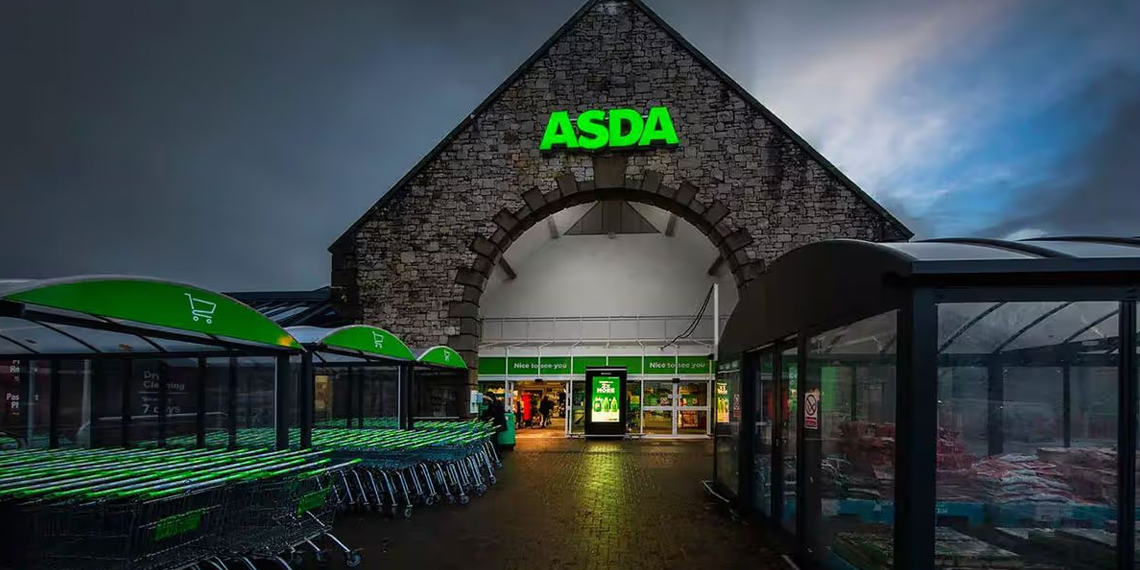
Up to 1,000 workers could face redundancy under sweeping Asda job cuts linked to the supermarket giant’s restructuring of its logistics and online retail operations, as the company accelerates investment in automation and warehouse modernisation across the UK.
The changes form part of a large-scale operational overhaul involving the transfer of approximately 1,250 employees to logistics company DHL under TUPE regulations. However, reports suggest only around 250 roles may ultimately be required within the new structure, sparking growing concern among employees, unions and local communities over the future of warehouse employment.
The restructuring reflects a broader transformation taking place across Britain’s retail and logistics sectors, where major companies are increasingly deploying robotics, artificial intelligence and automated fulfilment systems to reduce operational costs and improve delivery efficiency.
Asda Transfers Warehouse Operations to DHL
Asda confirmed that part of its warehouse and distribution functions linked to its George online clothing business will transition to DHL as part of a long-term logistics partnership.
The move will consolidate operations into a single major fulfilment centre in Derby operated by DHL, replacing existing distribution activity spread across three separate locations in Northamptonshire, Staffordshire and the North East of England.
According to the company, the partnership is intended to support the future expansion of the George online retail division, which Asda expects to double in size by 2032.
An Asda spokesperson said the company was working closely with DHL to support affected employees during the transition process.
“As we announced in January, we are partnering with DHL to ensure we can continue to serve the growth in our George online business effectively,” the spokesperson said.
“Any colleague who currently works in these roles will be transferred under TUPE regulations to DHL. Asda will work closely with DHL to support colleagues through this process including considering alternative employment opportunities across both businesses.”
Despite these assurances, uncertainty remains surrounding the long-term future of hundreds of workers currently employed across the affected warehouse sites.
Automation Drives Concerns Over Large-Scale Job Losses
The restructuring has intensified debate over the growing impact of automation on employment across the retail, logistics and warehousing industries.
Reports indicating that only around 250 positions may remain within the redesigned operation have fuelled fears that as many as 1,000 workers could eventually lose their jobs.
The changes are understood to involve greater use of automated warehouse systems capable of handling tasks traditionally carried out by human employees, including stock picking, sorting, packaging and order fulfilment.
Retailers across the UK have increasingly invested in automation technologies in response to mounting cost pressures, rising wage bills, evolving consumer expectations and the rapid growth of online shopping.
Industry analysts note that automated systems can significantly improve efficiency, reduce delivery times and lower long-term operating costs.
However, unions and labour groups warn that such changes are creating growing insecurity for thousands of workers whose roles may become obsolete.
GMB Union Criticises Asda Strategy
GMB strongly criticised the restructuring plans, arguing that the supermarket’s ownership and cost-cutting strategies are placing workers and communities at risk.
Nadine Houghton said the outsourcing of warehouse operations represented another damaging development following the private equity-backed acquisition of Asda.
“GMB is clear; the private equity buyout of ASDA has been a disaster for workers, customers, the supply chain and communities,” she said.
“The recent job cuts announcement and now the outsourcing of clothing distribution paves the way for a full carve up of the company.”
Houghton further argued that the livelihoods of working families should not be jeopardised by decisions aimed primarily at improving financial performance and investor returns.
“It is time for TDR Capital to come clean and be honest about their plan for the business,” she added.
The criticism reflects wider tensions surrounding the role of private equity ownership within major UK retailers, particularly amid concerns that aggressive restructuring and debt burdens can place pressure on staffing levels and operational stability.
Public Debate Grows Over Automation and Employment
The announcement has also triggered widespread public debate regarding the long-term implications of automation for employment and local economies.
Online discussions revealed sharply divided opinions over whether increased automation represents necessary economic progress or a growing threat to job security.
Some commentators argued that automation-driven efficiency gains would primarily benefit corporate profits rather than consumers or employees.
Others warned that large-scale displacement of workers could have broader social consequences, particularly in areas heavily dependent on warehousing, retail and distribution jobs.
Concerns were also raised about the impact on local spending power, with critics questioning how communities would cope if substantial numbers of workers lost stable employment.
At the same time, supporters of automation argued that technological progress has historically improved productivity and economic competitiveness, even though it often disrupts traditional industries during periods of transition.
Wider Retail Sector Facing Structural Transformation
The developments at Asda mirror wider trends reshaping Britain’s retail and logistics sectors.
Major supermarket chains, delivery companies and online retailers have accelerated investment in advanced warehousing technologies in recent years as consumer shopping habits continue shifting toward e-commerce.
Automated fulfilment centres capable of processing thousands of online orders with minimal human intervention are increasingly becoming central to modern retail supply chains.
At the same time, businesses continue facing inflationary pressures, rising energy costs and growing competition within the grocery and online retail markets.
Asda itself has been pursuing a broader turnaround strategy aimed at strengthening performance and rebuilding market share following a challenging period for the company.
Industry observers say the supermarket’s partnership with DHL reflects efforts to modernise operations while preparing for future growth in digital retail demand.
However, the proposed restructuring also highlights the difficult balance companies face between improving efficiency and protecting employment.
Uncertainty Remains for Workers and Communities
Although the affected distribution sites are expected to remain operational for store supply purposes, uncertainty continues to surround the future of employees linked specifically to George.com fulfilment operations.
The proposed transition is expected to begin in January 2027, giving workers limited time to understand what alternative opportunities may become available either within DHL or elsewhere across Asda’s wider operations.
For many employees, the restructuring represents not only a threat to individual livelihoods but also broader anxiety over how rapidly advancing automation could reshape the future of work across the UK economy.
As consultations continue, unions are expected to maintain pressure on both Asda and DHL to provide greater clarity regarding staffing plans, redundancy protections and long-term employment prospects for affected workers.
