
More than 300,000 children already living in the UK could be forced to wait a decade or more for permanent immigration status under proposed changes to the UK earned settlement policy, according to new analysis by Institute for Public Policy Research (IPPR).
The thinktank warns that the Home Office proposals risk extending insecurity for families who moved to Britain under existing rules, with long-term consequences for integration, education and child poverty. The findings come as the home secretary, Shabana Mahmood, faces growing opposition from Labour MPs over the reforms.
Children heavily affected by settlement changes
IPPR’s analysis found that nearly 23% of the 1.35 million people already on routes to settlement are children, most of them dependants of parents on work visas. Under the proposals, many of these children would face significantly longer waits for settled status, despite having already spent much of their childhood in the UK.
Ministers plan to double the standard qualifying period for settlement from five years to 10 years for most migrant workers. For people in below-graduate roles, including many care workers, the default qualifying period would be extended to 15 years.
If applied retrospectively, the changes would affect families who arrived in the UK under different rules and made life-altering decisions based on the expectation of settlement after five years.
Concerns over retrospectivity and fairness
Around 40 Labour MPs have raised concerns about the retrospective application of the policy, describing it as “un-British” and accusing ministers of “moving the goalposts” for families already contributing to British society.
Settlement, formally known as indefinite leave to remain, grants the right to live, work and study in the UK without time limits, and allows access to benefits where eligible. Critics argue that delaying settlement would leave families in prolonged uncertainty, undermining stability and long-term planning.
IPPR warns that hundreds of thousands of children could grow up without secure immigration status, restricting their future opportunities. Delayed settlement could limit access to higher education, student finance and skilled employment, even for young people who have been educated entirely in the UK.
Risks to education and child poverty
The thinktank also highlights the risk of rising child poverty, particularly in families on low incomes. Parents without settled status may face restricted access to benefits and support, even while working in essential sectors such as health and social care.
IPPR argues that insecurity over immigration status can hinder integration, damage mental health and make it harder for children to succeed at school. It is calling on the government to include a clear protection clause to ensure that people already on settlement routes are not affected by retrospective changes.
Marley Morris, associate director for migration, trade and communities at IPPR, said families who were welcomed under one set of rules should not have those rules changed midway through their journey.
“For the 300,000 children affected, this is not an abstract policy change,” he said. “They face growing up with prolonged insecurity, and many will encounter new barriers to university and employment once they turn 18.”
Personal impact on migrant families
Zayne, 18, who is currently on the five-year route to settlement, said his family now faces an unexpected extension to 10 years. His father works as an NHS doctor and chose the UK because of the promise of stability.
“He gave up better-paid work abroad, sold our house and car, and spent thousands doing everything right,” Zayne said. “Now, just before we qualify, the rules have changed. Without access to student finance, I simply can’t afford university here.”
He added that the uncertainty has taken a heavy emotional toll on his family, leaving them fearful for their future in the country they consider home.
Labour MPs challenge government plans
The proposals were debated by Labour MPs in Westminster Hall, where several voiced strong opposition. Tony Vaughan, MP for Folkestone and Hythe, said the concept of “earning settlement” was undermined if the qualifying period kept changing after people had arrived.
“Retrospectivity is un-British and undermines our sense of fair play,” he said, calling for the approach to be abandoned.
Rachael Maskell, MP for York Central, warned that the reforms could worsen the UK’s existing skills shortages, arguing that the policy would deter families and skilled workers from committing to the country long term.
Government response and wider context
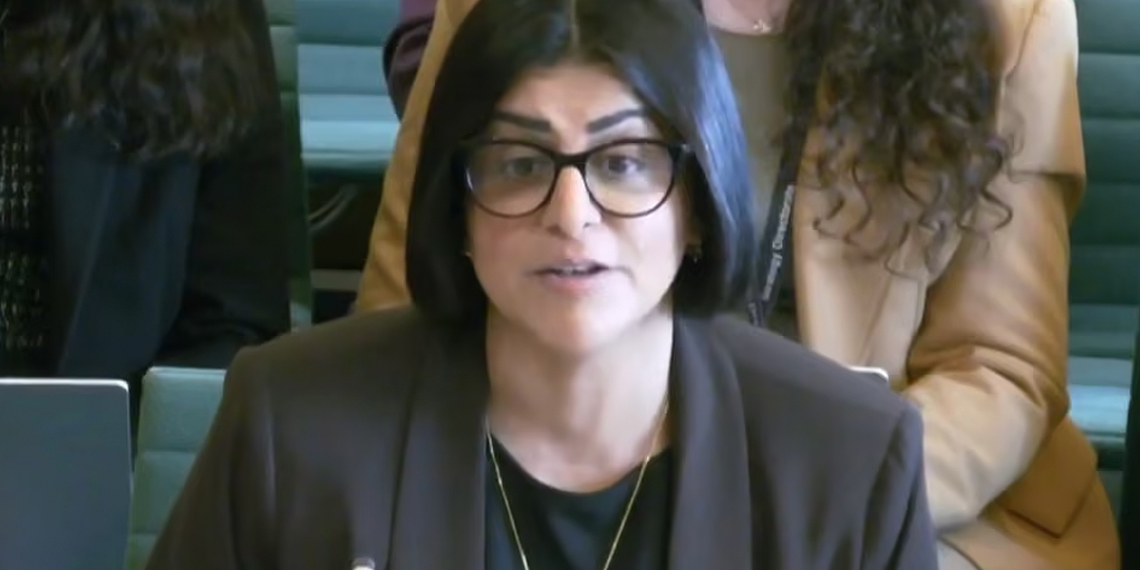
Mahmood has defended the proposals, telling MPs on the home affairs select committee that settlement in the UK is a “privilege, not a right”. She argued that five years was a relatively short period before permanent residence was granted and said the UK must remain focused on attracting the “brightest and best”.
She added that the government’s wider proposals included mechanisms that could, in some cases, reduce the qualifying period.
The debate comes amid broader changes to UK immigration policy following Brexit, with successive governments seeking to balance economic needs, public concern over migration levels, and fairness to those already living and working in the country. Campaigners warn that how the earned settlement policy is implemented will shape the lives of a generation of children who already call the UK home.