
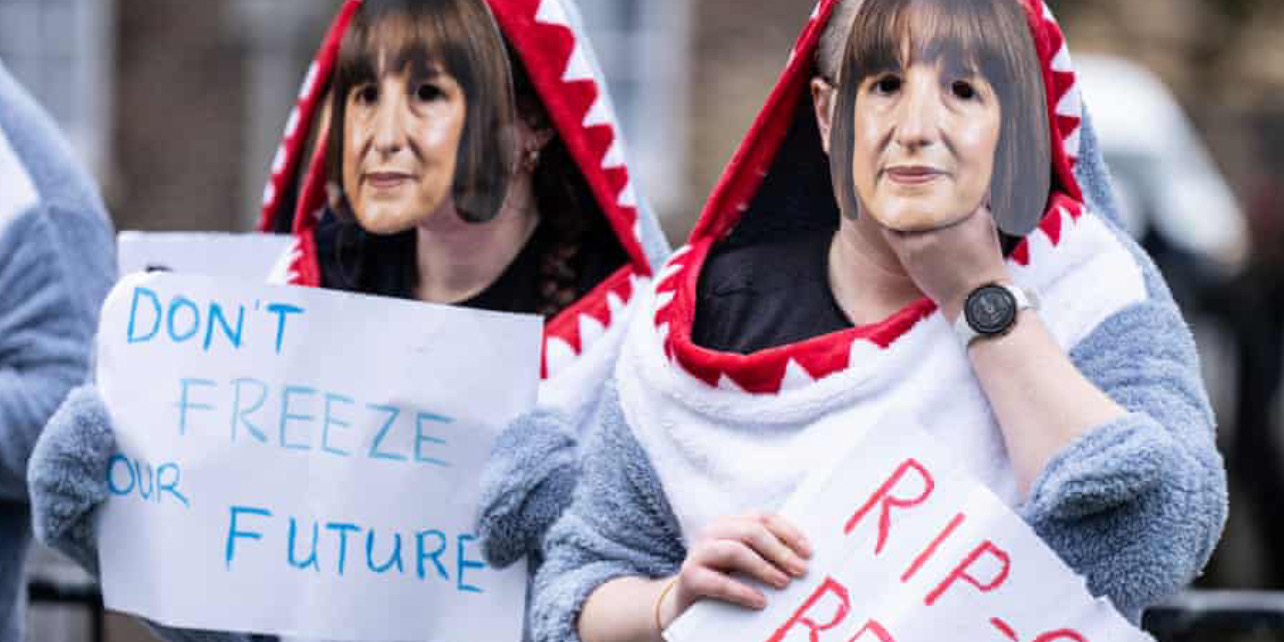
The UK student loans crisis has intensified after angry Labour backbench MPs accused ministers of allowing graduates to be “outrageously scammed” by what they described as an unfair and increasingly burdensome repayment system.
During a Commons Westminster Hall debate on Wednesday, several Labour MPs demanded urgent reform of the current arrangements, warning that millions of former students are struggling under mounting debt driven largely by high interest charges. The criticism comes amid growing cross-party concern about the financial pressure facing graduates across England and Wales.
MPs Demand Urgent Overhaul
The row centres on the estimated 5.8 million people who took out so-called “plan 2” student loans between 2012 and 2023. Under the current structure, many graduates make monthly repayments through their salaries, yet the interest added to their balances often exceeds what they pay back, meaning total debt continues to rise.
Alex Sobel, Labour MP for Leeds Central and Headingley, said borrowers on plan 2 were being “outrageously scammed and burdened with unattainable debt levels and interest rates”. Jas Athwal, Labour MP for Ilford South, who secured the debate, described the system as “predatory” and said spiralling interest was placing heavy stress on graduates.
Luke Charters, the MP for York Outer and himself a plan 2 borrower, labelled the system “an absolute dog’s dinner” and a “Frankenstein’s mess”, while Kate Osborne warned that annual interest charges represented “a scandal and a rip-off”.
Bell Ribeiro-Addy went further, arguing that the terms of plan 2 loans were comparable to those offered by “a loan shark” and describing the government’s decision to freeze repayment thresholds as a “one-sided breach of contractual terms”.
Threshold Freeze Fuels Anger
The latest wave of criticism was triggered by Chancellor Rachel Reeves’s decision last November to freeze the salary threshold for plan 2 repayments for three years. The move appeared to contradict the original 2010 pledge that the threshold would rise annually in line with earnings.
Critics say the freeze will pull more graduates into repayment sooner and increase the total amount they repay over time. Consumer campaigner Martin Lewis and the National Union of Students have both stepped up pressure for reform, while opposition parties have begun outlining alternative proposals.
Liberal Democrat MP Josh Babarinde captured the frustration by comparing graduates’ situation to the Eagles song lyric, saying many felt trapped in a “student Hotel California” where they could graduate but “never leave”.
Government Acknowledges ‘Problems’
Education Secretary Bridget Phillipson recently admitted there were “problems” with the current system but signalled that immediate reforms to interest rates were unlikely to be the government’s top priority. Instead, ministers are focusing on restoring maintenance grants for poorer students.
Phillipson said the government would continue reviewing ways to improve the system for graduates. However, critics argue that without tackling interest levels and repayment thresholds, the underlying pressure on borrowers will persist.
A government spokesperson defended the current framework, noting that plan 2 was inherited from the previous administration. They said threshold freezes were designed to protect taxpayers while maintaining support for students and future learners.
Officials also stressed that the income-contingent structure protects lower earners and that any outstanding debt is written off at the end of the repayment term.
Growing Pressure on Graduates
Student finance has become one of the most contentious issues in UK higher education policy. Plan 2 loans, introduced in 2012 alongside the rise in tuition fees to £9,000 per year, shifted much of the cost burden onto graduates.
Since then, rising interest rates — often linked to inflation — have pushed typical graduate debt well above initial borrowing levels. Many borrowers are now expected to repay for decades, with a significant proportion forecast never to clear their balance before it is written off.
Analysts warn the issue is becoming politically sensitive as millions of middle-income graduates see repayments function increasingly like an additional tax on earnings.
With pressure mounting from MPs, campaigners and student groups, the debate over how to fix the UK’s student finance system is likely to intensify in the months ahead.