
The UK government is facing intensifying criticism over recent changes to the student loan system, with ministers defending the reforms as necessary and fair despite mounting concern from graduates, campaigners, and financial experts over rising repayment costs and escalating debt levels.
At the centre of the controversy are the so-called “Plan 2” student loans taken out by millions of students across England and Wales. Critics argue that policy changes introduced by the government have significantly increased the long-term financial burden on graduates, while ministers insist the student finance system remains heavily subsidised and designed to protect lower earners.
The debate has rapidly evolved into a wider national discussion about fairness, taxation, higher education funding, and the financial pressures facing younger generations in the UK economy.
Treasury Defends Right to Alter Student Loan Terms
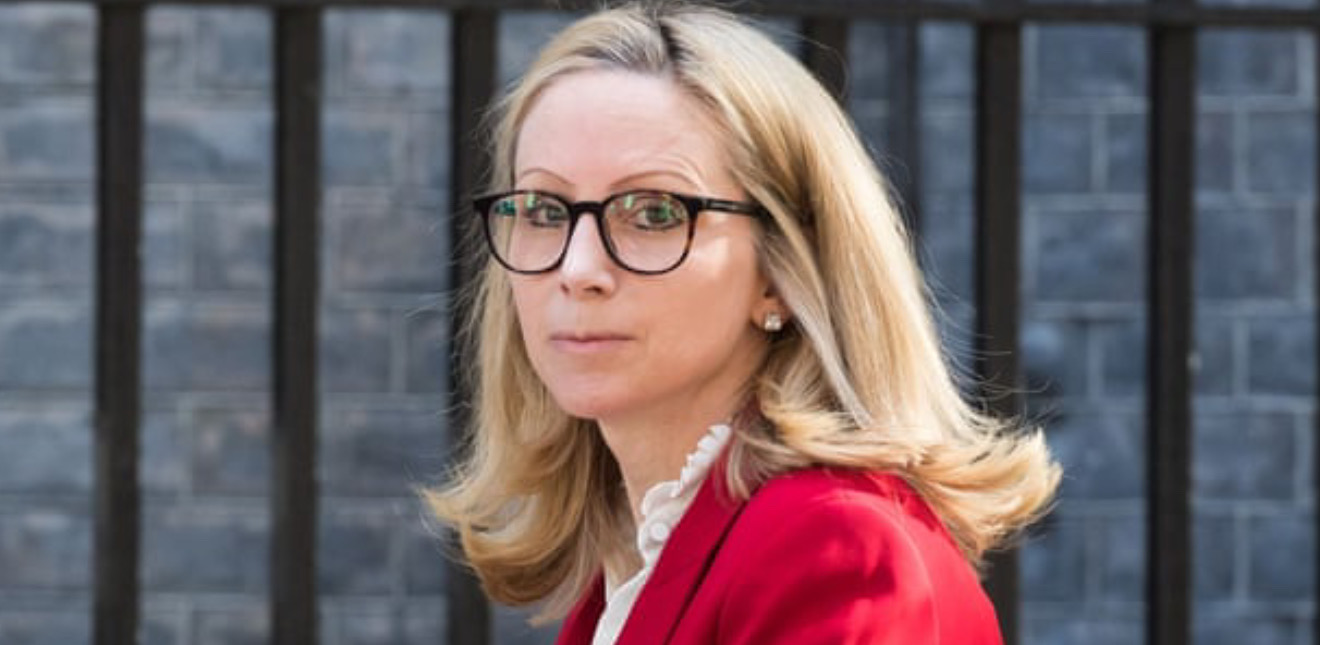
Speaking before MPs at a Treasury select committee hearing, Chief Secretary to the Treasury Lucy Rigby rejected accusations that the government had acted unfairly by changing repayment conditions attached to student loans.
Rigby argued that student loans differ fundamentally from commercial lending products because they are substantially subsidised by taxpayers and include protections unavailable in private financial markets.
She stated that many students would be unable to secure comparable commercial loans due to limited credit histories and lack of collateral. According to the Treasury, this unique structure gives governments greater flexibility to revise repayment conditions over time.
The minister also stressed that fewer than half of young people in the UK attend university, meaning policymakers must consider the interests of taxpayers as a whole rather than focusing solely on graduates.
Her comments come amid growing political pressure for broader reform of the student finance system, which many graduates now describe as financially punitive and increasingly unaffordable.
Growing Anger Over Loan Repayment Changes
Much of the recent criticism has centred on Chancellor Rachel Reeves’s decision to freeze the salary threshold for Plan 2 loan repayments for three years. This effectively means that more graduates will repay larger amounts of their income over a longer period as wages gradually rise.
At the same time, graduates continue to face high interest rates applied to their student debt balances. For many borrowers, monthly repayments fail to reduce the principal amount owed because interest accumulates faster than repayments are made.
As a result, numerous graduates report that their outstanding balances continue to grow despite years of repayments deducted directly from their salaries.
The issue has become especially contentious during a period of high inflation, elevated living costs, and economic uncertainty affecting younger workers across the UK.
Martin Lewis and Campaigners Criticise the System
Consumer finance expert Martin Lewis has emerged as one of the most prominent critics of the current approach. He argued that retrospective changes to loan terms would likely breach consumer protection principles if applied in the private financial sector.
Lewis stated that altering repayment conditions after individuals had already entered into agreements would not typically be permitted for commercial lenders and described the practice as deeply problematic from a fairness perspective.
Campaigners appearing before the Treasury committee similarly warned that graduates increasingly feel they are being used as a source of additional government revenue.
Some critics argue that younger workers are effectively subsidising broader public spending priorities while facing worsening affordability pressures in housing, transport, and everyday living expenses.
The debate has intensified following submissions from more than 52,000 individuals responding to the committee’s inquiry into student loans and graduate taxation.
Many respondents described student loan interest rates as “extortionate,” with some claiming they exceed mortgage borrowing costs. Others said they had originally believed repayment thresholds would rise in line with inflation and accused policymakers of undermining public trust.
Comparisons to Financial Mis-Selling Scandals
The controversy has also drawn comparisons to previous financial scandals in the UK.
Philip Augar, who chaired the government’s 2019 review into post-18 education funding, suggested that the treatment of graduates risks resembling past mis-selling controversies involving payment protection insurance and car finance agreements.
However, Skills Minister Jacqui Smith rejected those comparisons, insisting the student finance framework is fundamentally different from commercial lending products and remains structured around income-contingent repayment principles.
Under the current system, graduates only repay loans once earnings exceed a specified threshold, and any remaining balance is eventually written off after the repayment term expires.
Government ministers maintain that these protections demonstrate the system’s fairness and distinguish it from conventional consumer debt arrangements.
Wider Concerns About Graduate Finances and Social Mobility
The row over student loans reflects broader anxieties surrounding graduate finances and social mobility in the UK.
Younger workers are increasingly entering the labour market burdened by significant student debt while simultaneously facing rising housing costs, stagnant wage growth in some sectors, and increasing economic insecurity.
Critics warn that the long-term impact of escalating graduate debt may discourage university participation among lower-income households and undermine access to higher education.
Supporters of reform also argue that the current system creates confusion because many graduates do not fully understand how interest rates, repayment thresholds, and write-off periods operate.
This lack of clarity has fuelled growing distrust toward the student finance system and intensified calls for greater transparency.
Government Signals Commitment to Existing Framework
Despite mounting criticism, the government has defended its approach and pointed to recent measures intended to ease pressure on graduates.
Officials noted that repayment thresholds were raised for the first time since 2021 and that maximum interest rates had been capped to shield borrowers from further increases during periods of economic volatility.
The government also highlighted the reintroduction of targeted maintenance grants aimed at supporting students from lower-income backgrounds.
Ministers continue to argue that the system remains progressive because repayments are linked to income rather than fixed monthly obligations, ensuring lower earners are protected.
Nevertheless, pressure for more substantial reform is unlikely to fade as millions of graduates continue grappling with rising debt balances and concerns over the long-term affordability of higher education in the United Kingdom.