
A convicted rapist who subjected a woman to a prolonged and violent sexual assault at knifepoint has fled the United Kingdom after being mistakenly released from prison due to a catastrophic administrative error, triggering urgent questions about failures within the justice system and border security safeguards.
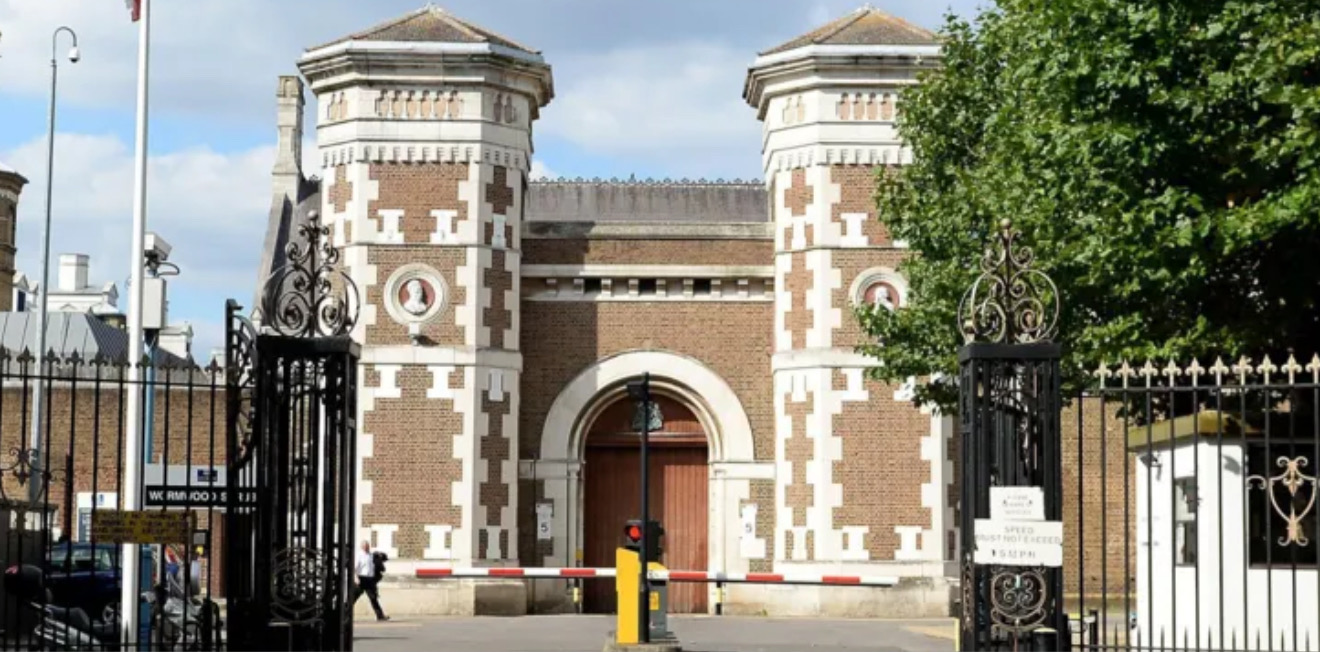
Bernadin Dedic, 48, left HMP Wormwood Scrubs in west London on 6 February after court paperwork was incorrectly processed, resulting in prison officials being wrongly informed that he had been granted bail. Within hours of his release, he had exited the country via Eurostar and travelled to Bosnia, his country of origin, where he has remained outside UK jurisdiction.
The case has exposed how a single procedural mistake within court administration allowed a high-risk detainee—awaiting trial on multiple serious sexual offences—to leave custody and ultimately evade justice in the United Kingdom.
Brutal offences involving threats, coercion and prolonged assault
Dedic was originally charged with a series of grave offences following an incident at his west London residence, where he had been consuming alcohol and cocaine. Prosecutors told the court he used a knife to threaten a woman, warning her that she would be killed if she attempted to scream or resist.
He then proceeded to restrain the victim, cut away her clothing, and carry out a sustained series of rapes and sexual assaults over several hours. The prosecution described the ordeal as deeply traumatic, with the victim left “terrified” and isolated during the attack.
According to court evidence, Dedic escalated the violence by threatening both the victim’s life and his own, stating that she would not be heard if she called for help. The offences included rape, sexual assault by penetration, coercion into sexual activity, possession of a bladed weapon in a private place, and making threats to kill.
Wrongful release triggered by administrative failure
The case took a critical turn when Dedic was mistakenly released from custody after a court official incorrectly recorded that he had been granted bail. The digital error was transmitted to prison authorities, who acted on the instruction and released him.
The mistake was later described in court as an exceptionally rare but serious failure. Officials confirmed that the erroneous bail notification had originated from a mismanagement of digital case files within the court system.
Within hours of walking free, Dedic travelled to London’s international rail terminal and boarded a Eurostar service. Despite his UK passport having been seized by Metropolitan Police during the investigation, he was able to use a Bosnian passport to travel without obstruction.
His departure was not detected in time to prevent him leaving the country, and he successfully returned to Bosnia, where he has remained during ongoing legal proceedings in the UK.
Trial proceeds in absence of defendant
Dedic had been remanded in custody ahead of trial but failed to appear in court after leaving the country. He later provided a series of explanations for his absence, including claims of medical emergencies and injury, which were not accepted by the court.
Despite attempts by judges, prosecutors, and Border Force officials to secure his return, he remained abroad. The trial at Isleworth Crown Court proceeded in his absence after he failed to maintain legal representation.
A jury subsequently convicted him on all nine charges, delivering guilty verdicts without the defendant present to respond to proceedings.
Judges noted repeated delays caused by Dedic’s failure to attend hearings, including claims of a skiing accident, a knee injury, and later a heart attack in Sarajevo. However, the court expressed scepticism about these explanations, and proceedings ultimately continued without him.
Judicial concern over systemic breakdown
The judge overseeing earlier hearings acknowledged the seriousness of the administrative failure that led to Dedic’s release, stating that while such incidents are extremely rare, this case represented an unprecedented breakdown in communication between court systems and custodial authorities.
An official investigation has since been launched into how the erroneous bail notice was generated and transmitted, with authorities warning that procedural safeguards must be strengthened to prevent similar failures.
HM Courts and Tribunals Service said the incident had exposed “deep-rooted issues” within the system and acknowledged the distress caused to victims and the public. The review will examine digital record-keeping, verification processes, and inter-agency communication between courts and prisons.
Border controls and accountability questions
Eurostar confirmed it does not conduct criminal record checks on passengers, stating that border control responsibility lies with national authorities. The case has therefore raised further questions about how an individual released in error was able to travel internationally without interception.
Authorities are now expected to consider extradition proceedings should Dedic fail to return voluntarily for sentencing. However, legal experts note that extradition from Bosnia may be complex and time-consuming depending on treaty enforcement and domestic legal cooperation.
Wider implications for justice system integrity
The incident has intensified scrutiny of administrative reliability within the UK justice system, particularly in relation to digital case management and prisoner release protocols. Legal commentators have warned that even rare errors can have severe consequences when dealing with individuals charged with violent or sexual offences.
The case also highlights broader concerns about coordination between courts, prisons, and border agencies, and whether existing safeguards are sufficient to prevent similar failures.
As investigations continue, the case stands as a stark example of how procedural breakdowns can result in convicted individuals evading immediate justice, placing renewed pressure on authorities to strengthen oversight and accountability across the criminal justice system.