
A proposed domestic abuse suicide homicide investigation rule is set to be debated in Parliament, as MPs consider whether police should treat certain suicides linked to domestic abuse as potential homicide cases.
The amendment, tabled by the Liberal Democrats to the crime and policing bill, would require police forces to investigate a suicide as a possible homicide if there is reasonable suspicion that the victim had previously experienced domestic abuse from another person.
Supporters say the proposal could help uncover hidden crimes and ensure stronger accountability where abuse may have contributed to a victim’s death.
Proposal to change police investigation rules
Under the proposed amendment, police would be required to treat suicides connected to domestic abuse with the same level of scrutiny and investigative resources used in homicide cases.
The measure states that when “there is reasonable suspicion that a death by suicide has been preceded by a history of domestic abuse committed against the person by another person, the relevant police force must investigate that suicide as if it were a potential homicide”.
The Liberal Democrats argue that mandatory investigations would allow authorities to gather evidence quickly and prevent key material from being lost.
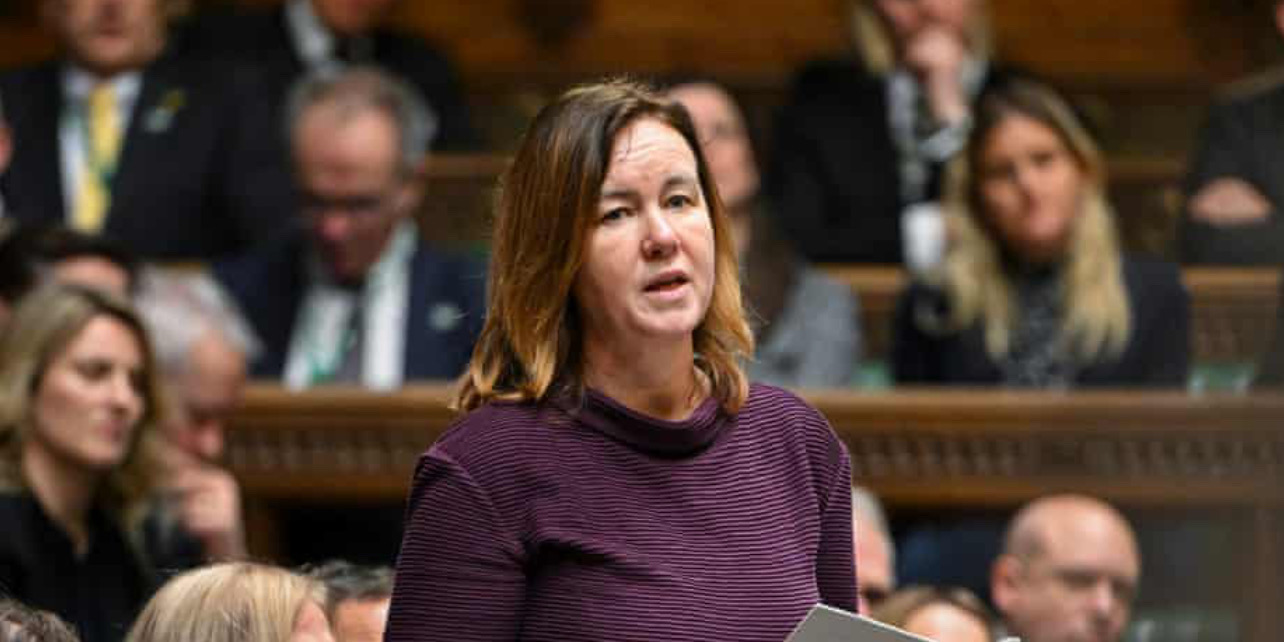
Marie Goldman, the party’s women and equalities spokesperson, said the existing legal framework fails to adequately address suicides linked to domestic abuse.
She warned that many deaths connected to abusive relationships may currently be overlooked or insufficiently examined by law enforcement.
Calls for stronger legal protections
Goldman said: “The current systems and laws are simply not doing enough to protect women, and in too many cases suicides driven by domestic abuse are going unreported.”
She argued that requiring police to treat such cases as possible homicide investigations would ensure better evidence collection and improve the chances of justice for victims and their families.
Goldman urged MPs from all political parties to support the amendment when the bill returns to Parliament.
However, with Labour holding a large majority in the House of Commons, the amendment is unlikely to pass unless the government backs the proposal or allows MPs a free vote.
Campaigners support the amendment
Domestic abuse advocacy groups have welcomed the proposed change, saying it could address long-standing concerns about how the criminal justice system handles suicide cases linked to coercive or violent relationships.
Pragna Patel, from the organisation Project Resist, said campaigners had long called for police to presume homicide in such cases until evidence proves otherwise.
Her organisation launched the “Suicide is Homicide” campaign last year to highlight what it says are systemic failures in how domestic abuse-related deaths are investigated.
Campaigners argue that the complex psychological effects of abuse, including coercive control, intimidation and sustained emotional harm, can push victims into situations where suicide becomes the tragic outcome.
Concerns over evidence and investigations
Frank Mullane, chief executive of Advocacy After Fatal Domestic Abuse (AAFDA), said treating these cases as homicide investigations could help preserve vital evidence.
He said that where domestic abuse is suspected, police should apply the same expertise and senior oversight used in murder inquiries.
Mullane warned that without this approach, crucial evidence may be lost. In some past cases, he said, personal devices belonging to victims had been returned to individuals who should have been treated as potential suspects.
Investigating suicides more rigorously could also help authorities identify patterns of coercion or violence that might otherwise remain hidden.
Women’s Aid backs reform
Ellie Daniel, head of policy and survivor services at Women’s Aid, also expressed support for the proposed amendment.
She said many women who suffered severe abuse from current or former partners had been denied justice because their deaths were not legally recognised as directly caused by their abusers.
Daniel said the justice system needed a deeper understanding of the long-term psychological harm caused by domestic abuse and coercive control.
She added that victims’ families often struggle to find answers after such deaths and deserve stronger legal protections and clearer investigations.
Government response and wider strategy
A spokesperson for the Home Office said the government recognised the seriousness of deaths linked to violence against women and girls.
The department said it was working to improve how such deaths are recorded and investigated as part of its wider Violence Against Women and Girls Strategy, published in December.
The government has pledged to significantly reduce violence against women and girls over the next decade and strengthen the police response to domestic abuse.
Background: domestic abuse and the justice system
Domestic abuse remains a major issue across the UK, affecting millions of people each year. Campaigners say that while legal reforms over the past decade — including laws addressing coercive and controlling behaviour — have improved recognition of abuse, many gaps remain in how related deaths are investigated.
In some cases, families have argued that victims who died by suicide were driven to that outcome by prolonged abuse or manipulation, but criminal responsibility was never examined.
Advocates believe the proposed domestic abuse suicide homicide investigation rule could mark a significant shift in recognising the hidden consequences of abusive relationships and ensuring the justice system responds more effectively.
The debate in Parliament is likely to draw attention to how police and prosecutors approach complex cases where abuse and mental health intersect.