
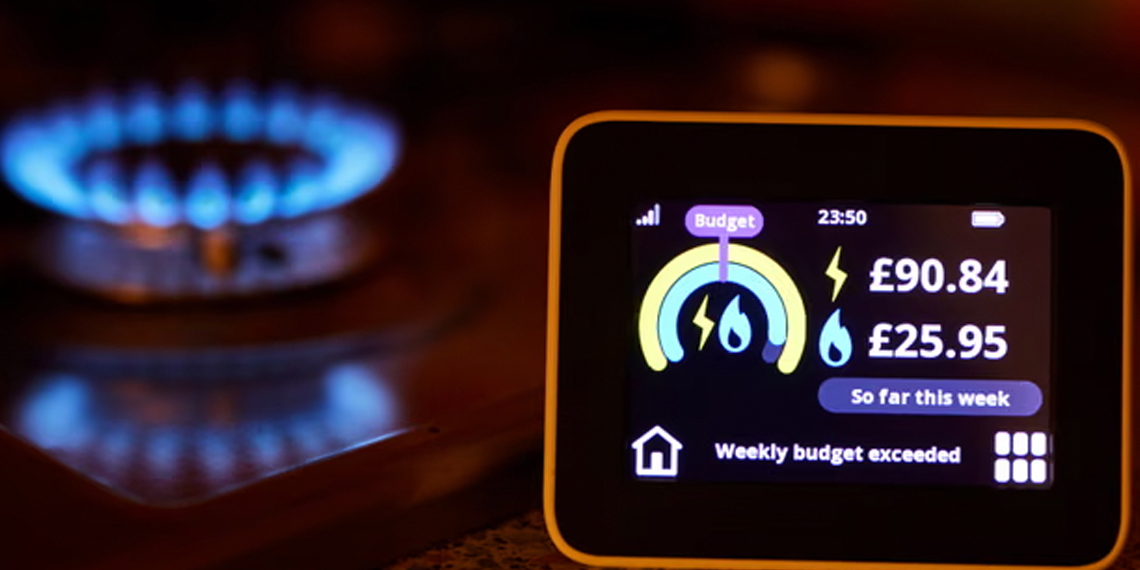
A potential energy price shock triggered by escalating conflict in the Middle East could wipe out expected gains in UK living standards worth about £300 for a typical working-age household over the next year, according to a new warning from the Resolution Foundation.
The thinktank said rising oil and gas prices linked to the Iran conflict could overturn what had been forecast as a modest but positive improvement in household finances during the coming year.
Analysts warned that Britain’s heavy reliance on imported energy — particularly gas linked to Middle Eastern supply routes — leaves the UK especially vulnerable if tensions escalate further.
Energy market turmoil threatens household finances
The Resolution Foundation said forecasts published alongside the government’s spring economic outlook suggested living standards for typical working-age households were set to rise by about £300 over the next year, equivalent to roughly 0.9%.
However, this improvement could disappear if the conflict in the Middle East disrupts global energy supplies and drives up fuel prices.
The UK’s exposure to such risks is partly linked to its reliance on gas markets influenced by shipments passing through the Strait of Hormuz — a critical shipping route through which roughly 20% of the world’s liquefied natural gas travels.
If that route were significantly disrupted, global energy prices could surge again, creating a new cost-of-living shock similar to the one experienced after Russia’s invasion of Ukraine in 2022.
Rising energy costs could increase inflation
According to the thinktank’s modelling, a sustained rise in oil and gas prices could add around one percentage point to the UK inflation rate.
It could also increase annual household energy bills by roughly £500 on average, erasing the modest gains in living standards currently expected for the year ahead.
Ruth Curtice, chief executive of the Resolution Foundation, said the economic outlook had already become highly uncertain due to global tensions.
“The immediate economic outlook for Britain is highly uncertain, with yesterday’s forecasts already looking out of date,” she said.
“This coming year is set to be a decent one for living standards, and a bumper one for poorer families, as wages and benefit support rise above the level of inflation. But a fresh energy price shock risks puncturing this good news.”
Calls for targeted support for vulnerable households
The Resolution Foundation urged ministers to consider introducing a targeted “social tariff” for energy to protect vulnerable households from potential price shocks.
Research director James Smith said the government should avoid broad universal energy subsidies, which proved extremely expensive during previous crises.
He noted that the emergency energy support package introduced after Russia’s invasion of Ukraine cost the Treasury about £35bn.
Instead, he argued that assistance should focus specifically on households with low incomes or particularly high energy needs.
“We have called for the government to develop the infrastructure for a social tariff targeting people with high energy needs and low levels of income,” Smith said.
He warned that providing universal energy support again could place significant strain on public finances.
Public finances and spending pressures
The debate over energy support also reflects broader concerns about government spending and debt levels.
Helen Miller, director of the Institute for Fiscal Studies (IFS), said repeated economic shocks had contributed to rising government debt in recent years.
She warned that large-scale universal support measures were difficult to sustain over time.
“This kind of government support is a key reason that debt has been rising in recent years,” Miller said.
Instead of widespread subsidies, she argued that policymakers should focus resources on households most in need.
Defence spending could add further pressure
The IFS also highlighted potential trade-offs facing the government if it accelerates plans to raise defence spending to 3% of gross domestic product.
Bringing that target forward to 2030 could cost an additional £14bn per year, potentially wiping out planned spending increases in other areas unless taxes were raised.
Such fiscal pressures could make it harder for the government to respond to another major energy crisis.
Lower-income households initially set to benefit
Despite these risks, forecasts suggest poorer households could see stronger improvements in living standards this year than the average household.
According to the Resolution Foundation, lower-income households could experience a rise of around £800 in living standards, equivalent to about 3.9%.
This would largely be driven by policy changes such as the removal of the two-child benefit cap and an above-inflation increase in universal credit payments.
If realised, it would mark one of the strongest years for living standards growth among poorer households in the past two decades.
However, analysts warn these gains remain vulnerable to global economic shocks.
Alternative forecasts paint bleaker picture
Other organisations argue that even the current projections may overstate improvements in household finances.
The Joseph Rowntree Foundation said government forecasts underestimate the pressures created by rising housing costs and other living expenses.
Using modelling based on Office for Budget Responsibility economic forecasts and the Institute for Public Policy Research’s tax-benefit analysis, the charity estimated that average household disposable incomes may increase by only about £40 over the entire parliamentary term between 2024 and 2029 after inflation.
Energy shocks and the cost-of-living crisis
The UK has faced repeated energy price shocks in recent years, particularly following Russia’s full-scale invasion of Ukraine in 2022, which pushed global oil, gas and food prices sharply higher.
That crisis triggered a major cost-of-living surge across Europe, forcing governments to introduce emergency energy support measures for households and businesses.
While inflation has since eased and energy prices have stabilised somewhat, economists warn that renewed geopolitical tensions — particularly in the Middle East — could trigger another global energy shock.
For UK households, such a development could once again place pressure on living standards just as the economy begins to show signs of recovery.