
Nearly one in five women killed by men in the UK over the past year were suspected victims of matricide, according to new research highlighted during a parliamentary debate on violence against women.
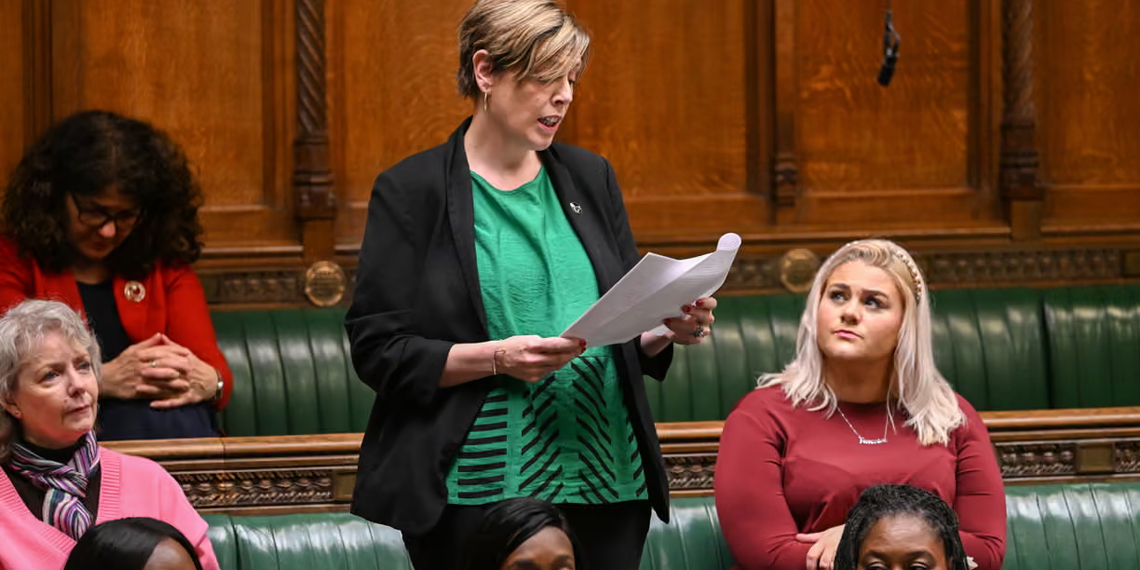
During the annual debate marking International Women’s Day, Labour MP Jess Phillips read out the names of 108 women who are believed to have been killed by men in the past 12 months, or in cases where a man has been charged.
Among them were 19 women whose sons were identified as the main suspects, raising concerns about a growing trend of matricide in the UK.
For the 11th consecutive year, Phillips read the names of victims during the parliamentary debate, an act that has become a symbolic reminder of the scale of violence against women and girls.
Speaking to MPs, she said women were facing threats in all areas of life.
“They are being attacked, abused, harassed and stalked at home, in public places, and online. The scale of violence against women and girls shames our society.”
She ended her remarks by calling for stronger action to prevent further tragedies.
“May these women get the justice that they deserved, and may we honour them by preventing others from suffering the same fate.”
The figures were compiled by the Femicide Census through its Counting Dead Women initiative.
Campaigners say the 19 suspected cases of sons killing their mothers represent the highest rate of matricide recorded in the project’s 16 years of data collection.
Clarrie O’Callaghan, co-founder of the Femicide Census, said the trend had become increasingly alarming.
“Often the men who have killed their mothers have histories of abuse of their earlier partners, so they had moved in with their mother after those relationships broke down.”
She added that the issue had received little attention from public authorities.
“Women are rarely recognised as being at risk of fatal violence from their sons and there are few dedicated services for older women in the whole of the UK.”
Previous research by the Femicide Census found that nearly one in 10 women killed by men over a 15-year period in the UK were mothers murdered by their sons.
The study, which examined cases between 2009 and 2021, recorded more than 170 matricide victims and found that mental ill health was a contributing factor in 58% of cases.
Researchers also pointed to substance abuse and housing insecurity as factors that may increase the risk of domestic violence within families.
The UK government published a new Violence Against Women and Girls Strategy in December aimed at tackling abuse and harmful behaviours.
The plan includes programmes to educate young people about healthy relationships, address the impact of pornography and provide teachers with tools to identify early warning signs.
The strategy is backed by £1bn in funding, including support for victims of abuse, safe housing programmes and therapeutic services for children affected by sexual violence.
However, campaigners argue that the funding remains insufficient to meet the government’s goal of halving violence against women and girls within a decade.