
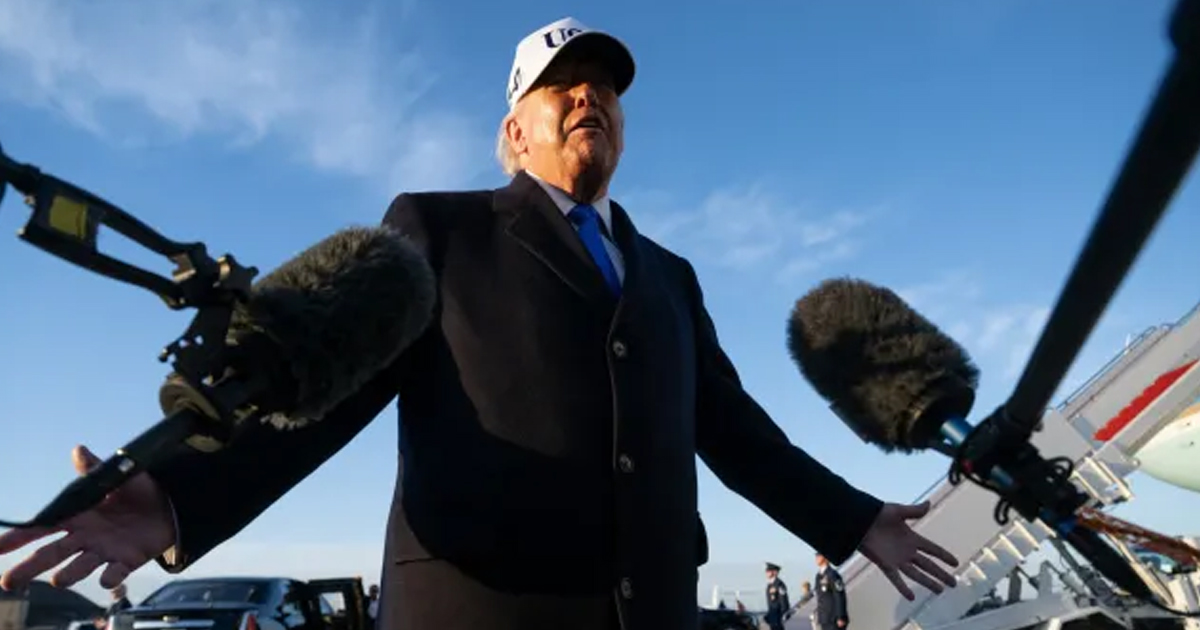
US President Donald Trump has called on the United Kingdom and other major economies to deploy naval vessels to the Strait of Hormuz in order to safeguard global oil shipments amid escalating tensions with Iran.
The strategic waterway, one of the world’s most critical energy corridors, has come under renewed threat following Iranian strikes that have disrupted shipping routes and pushed oil prices higher.
In a message posted on his Truth Social platform, Trump urged several nations to contribute military ships to secure the narrow maritime passage linking the Persian Gulf to international waters.
He wrote: “Many countries, especially those who are affected by Iran’s attempted closure of the Hormuz Strait, will be sending War Ships, in conjunction with the United States of America, to keep the Strait open and safe.
“Hopefully China, France, Japan, South Korea, the UK, and others, that are affected by this artificial constraint, will send Ships to the area.”
The Strait of Hormuz, which is roughly 35 miles wide at its broadest point, normally handles around one-fifth of the world’s crude oil and liquefied natural gas shipments.
Although Trump has repeatedly claimed US military action severely weakened Iran’s capabilities, he warned that the country could still disrupt maritime traffic using limited attacks.
He said: “We have already destroyed 100% of Iran’s Military capability, but it’s easy for them to send a drone or two, drop a mine, or deliver a close range missile somewhere along, or in, this Waterway, no matter how badly defeated they are.”
The US president insisted that American forces would ensure the waterway remains “open, safe and free”.
In his first public remarks since taking power, Iran’s new supreme leader Mojtaba Khamenei signalled that attacks on shipping in the Strait of Hormuz would continue as part of Tehran’s pressure campaign against the United States.
Iran has previously threatened to close the route, a move that could significantly disrupt global energy supplies.
Britain has already increased its military presence in the region. The Royal Navy destroyer HMS Dragon is being deployed to protect the British airbase at RAF Akrotiri following a drone attack.
However, the vessel will take at least a week to reach the Mediterranean after departing from Portsmouth.
A spokesperson for the UK Ministry of Defence said: “As we’ve said previously, we are currently discussing with our allies and partners a range of options to ensure the security of shipping in the region.”
British forces have already taken part in defensive operations, including intercepting drones targeting military bases in Qatar, Cyprus, Bahrain and the United Arab Emirates.
The blockade threats have already had global economic consequences as governments respond to rising energy prices.
UK Chancellor Rachel Reeves suggested the government may offer additional support for households reliant on heating oil if the crisis continues.
She told The Times: “I have found the money and we’ve worked through with MPs and others a response for people who are not protected by the energy price cap.
“We’re giving greater support to those who really need it.”
About 1.5 million UK households rely on heating oil and have already seen prices surge as the conflict disrupts global supply chains.
Ministers are now considering possible financial support measures while balancing pressures on public finances as the Middle East crisis continues to affect global energy markets.