
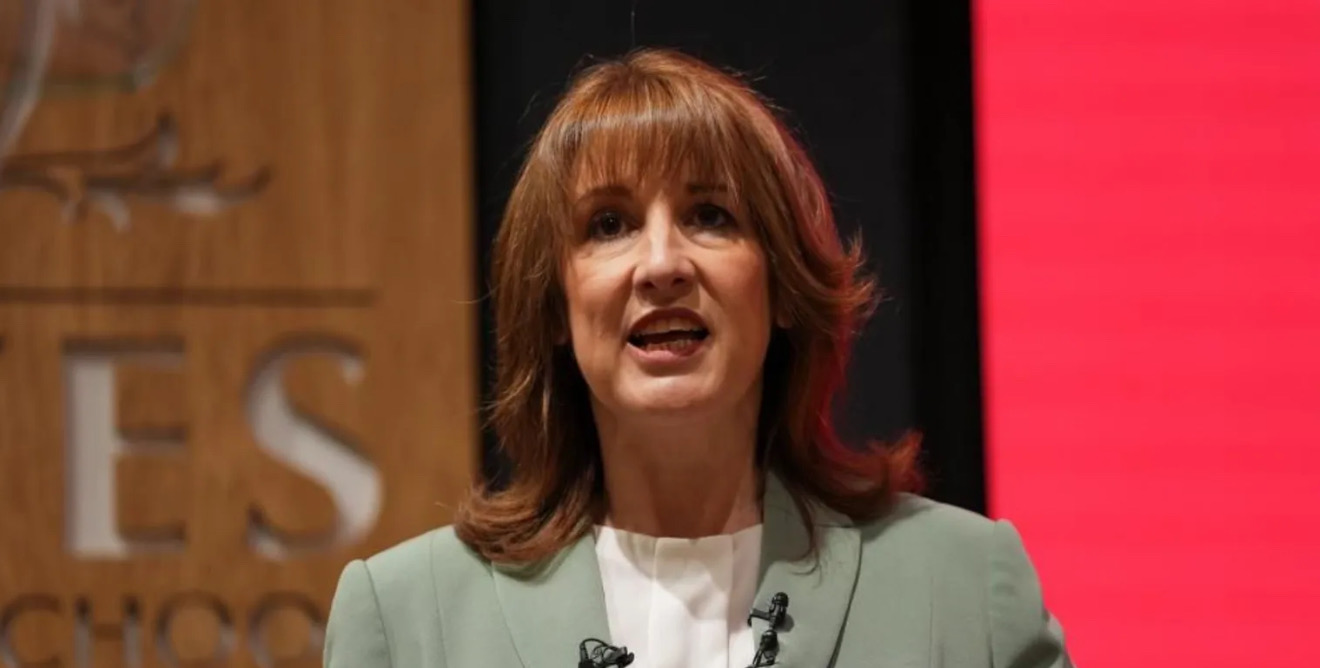
The UK government has announced a major shift in economic policy with a new UK tax devolution plan, as Chancellor Rachel Reeves revealed proposals to allow regional mayors to control a share of national tax revenues for local spending priorities.
Under the plans, which are expected to be outlined in detail in the autumn Budget, the total level of taxation will not increase. Instead, a portion of existing national tax income will be devolved to regional leaders, giving them greater authority to allocate funding based on local economic needs.
Speaking during her Mais Lecture at Bayes Business School in London, Reeves said the move is designed to boost regional growth and reduce reliance on centralised decision-making.
Treasury developing roadmap for tax devolution
Reeves confirmed that Treasury officials are working on a comprehensive roadmap to implement the UK tax devolution plan, in collaboration with regional mayors and business leaders.
The initiative will explore how local authorities could gain control over a share of taxes that have traditionally been managed by central government.
“They will look at income tax alongside other taxes, with reforms initially targeted at those places that have the greatest capacity to deliver them and the greatest potential to benefit,” Reeves said.
The approach is expected to prioritise regions with established governance structures and the ability to manage devolved financial responsibilities effectively.
Greater powers for regional leaders
The proposed reforms represent a significant step toward deeper devolution in England, building on existing powers granted to metro mayors in areas such as transport, housing and economic development.
By giving mayors control over parts of tax revenue, the government aims to enable more tailored local investment strategies and improve regional economic performance.
Supporters of the UK tax devolution plan argue that local leaders are better placed to understand the needs of their communities and can allocate resources more efficiently than central government.
Growth strategy includes AI and quantum investment
The tax devolution proposals form part of a broader economic strategy outlined by Reeves, focused on driving long-term growth.
The chancellor highlighted government investment of £2.5 billion in artificial intelligence and quantum computing, describing these technologies as key to the UK’s future economic competitiveness.
She said the government aims to achieve the fastest adoption of AI among G7 nations and expects the quantum computing sector to create up to 100,000 jobs in the UK.
Reeves also stressed the importance of retaining British talent and preventing leading technology firms and scientists from relocating abroad.
She told the BBC she wants to stop the trend of UK-based companies moving overseas to secure better funding or tax conditions.
Concerns over UK tech firms moving abroad
The issue of British firms relocating to other countries, particularly the United States, has been a long-standing concern for policymakers.
Many technology startups founded in the UK have eventually moved operations abroad, often citing stronger investment opportunities, more favourable tax regimes and deeper capital markets.
Reeves acknowledged these challenges and said the government is committed to creating an environment where innovative companies can grow and remain in the UK.
The investment in AI and quantum computing is intended to support this goal by strengthening the domestic technology ecosystem.
Closer economic ties with the EU under consideration
In her speech, Reeves also signalled a potential shift in the UK’s post-Brexit economic strategy.
She suggested that the government is open to aligning with European Union regulations in certain sectors where it would benefit businesses and support job creation.
“Where alignment is in the national interest, where it is good for business and good for jobs,” Reeves said.
While alignment is already planned in areas such as food and agricultural standards, her comments suggest the possibility of broader regulatory cooperation in industries including chemicals and manufacturing.
Political opposition criticises EU alignment plans
The chancellor’s remarks drew criticism from opposition figures, who argued that closer alignment with the EU could undermine the UK’s post-Brexit independence.
Shadow chancellor Sir Mel Stride accused the government of attempting to move closer to EU rules rather than addressing domestic economic challenges.
He said the government was “blaming Brexit” instead of taking responsibility for economic performance.
The Conservatives have also raised concerns about the broader direction of Labour’s economic policy, including its approach to tax, investment and regulation.
Global tensions pose risk to economic plans
Reeves acknowledged that external factors could affect the success of the government’s growth strategy.
In particular, she pointed to the economic impact of the ongoing conflict involving Iran, which has contributed to rising oil prices and increased volatility in global energy markets.
Higher energy costs could lead to increased inflation and put pressure on household finances, potentially slowing economic growth.
The chancellor noted that disruption to key shipping routes, including the Strait of Hormuz, has added to uncertainty in global supply chains.
Energy policy decisions under review
As part of the government’s response to rising energy prices, Reeves said decisions on major North Sea oil projects, including Rosebank and Jackdaw, would be made soon.
While she did not commit to expanding oil exploration, she acknowledged that many countries are increasing production to stabilise supply.
“Every country has got to play their part in ensuring energy supplies are there when we need them,” she said.
She also highlighted plans to strengthen the UK’s integration with European energy markets, which could help mitigate price fluctuations.
Student loan reform not immediate priority
Reeves also addressed concerns about the UK’s student loans system, acknowledging that it requires reform.
However, she indicated that it is not currently a top priority for the government.
While the issue remains under review, the focus for now is on broader economic growth measures, including tax devolution, technology investment and energy policy.
Push for regional economic balance
The UK tax devolution plan reflects a wider effort to address regional economic disparities across the country.
For decades, economic growth in the UK has been concentrated in London and the South East, leading to calls for greater investment and decision-making powers in other regions.
Previous governments have introduced devolution deals aimed at empowering local leaders, but critics argue that these measures have not gone far enough.
By allowing regional mayors to control a share of tax revenue, the government hopes to create more balanced economic development and support local growth initiatives.
The success of the plan will depend on how effectively local authorities can manage new responsibilities and whether the reforms deliver tangible improvements in economic performance.