
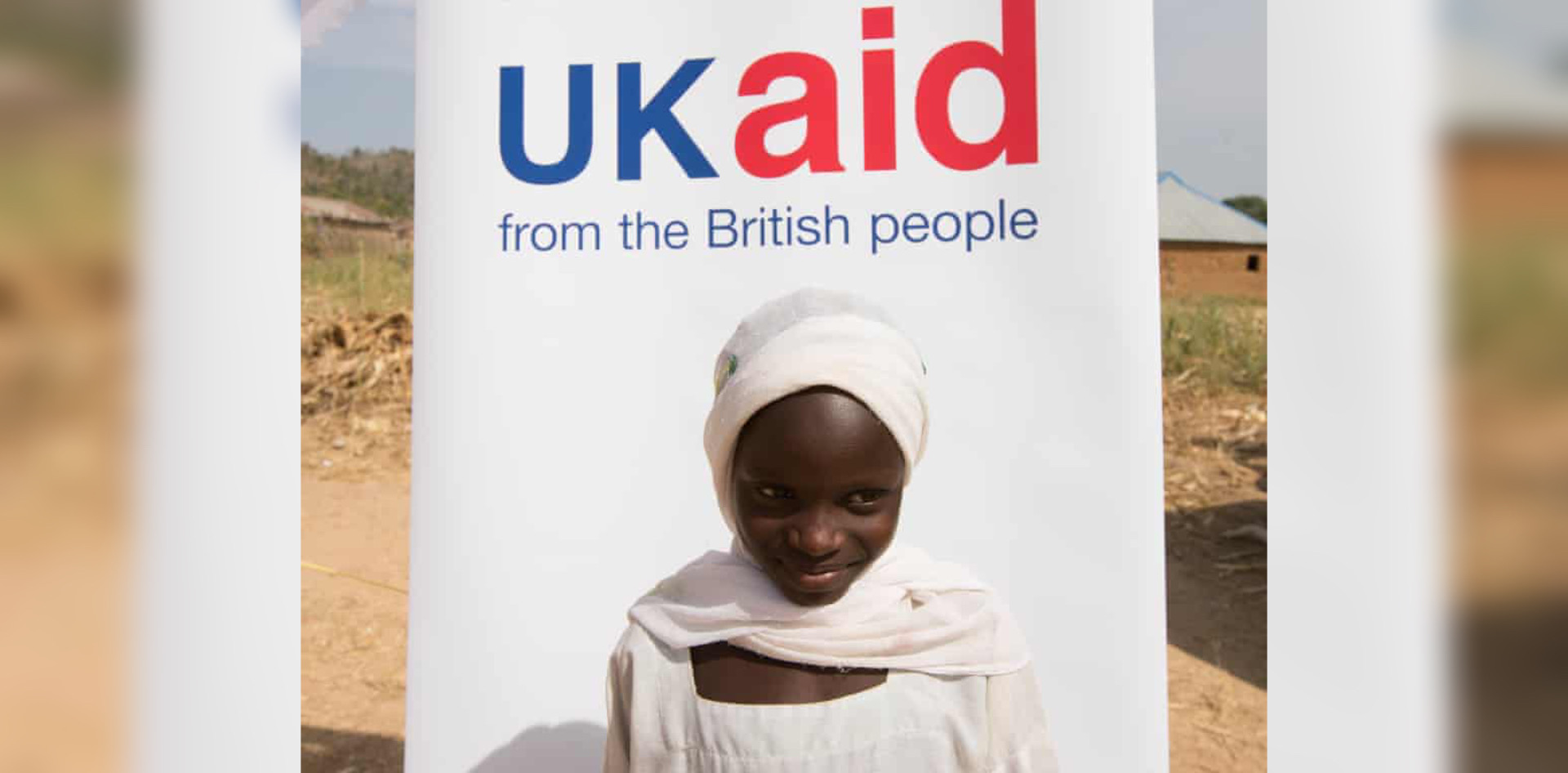
The scale of the UK aid budget cuts Africa plan has drawn widespread concern after ministers confirmed sweeping reductions that will significantly impact some of the world’s poorest countries.
Under new measures outlined by the government, bilateral aid to Africa will be reduced by nearly £900 million by 2028-29, representing a 56% cut, as part of a broader package of more than £6 billion in aid reductions. The savings are being redirected to increase defence spending amid growing global security pressures.
The UK aid budget cuts Africa decision will reshape how British overseas aid is distributed, with a shift away from traditional development programmes such as schools and healthcare, towards conflict zones and multilateral funding channels.
Major reductions in bilateral aid to Africa
The most significant impact of the changes will be felt across African nations that have historically relied on UK bilateral support.
Government figures show that aid spending to Africa will fall from £818 million in 2026 to £677 million by 2029, marking a sharp decline in direct funding for programmes on the ground.
Countries such as Mozambique, Malawi and Sierra Leone are expected to be among the hardest hit, with development funding scaled back or restructured.
Instead of direct aid, some countries will transition towards partnerships focused on investment, financial systems and clean energy initiatives.
Shift in priorities towards conflict zones
As part of the overhaul, the government plans to concentrate a larger share of aid spending on fragile and conflict-affected regions.
By 2029, around 70% of UK aid is expected to be directed towards areas such as Ukraine, Sudan and Palestine, reflecting a shift in geopolitical priorities.
Funding for Lebanon has also been protected in the short term due to ongoing regional instability.
Foreign Secretary Yvette Cooper described the changes as a difficult but necessary decision.
“This is not an ideological step – it is a difficult choice in the face of international threats,” she said.
Cuts extend beyond Africa to global programmes
The UK aid budget cuts Africa are part of a wider restructuring that affects multiple regions and programmes.
All bilateral aid to G20 countries will be phased out, except for limited support to Turkey related to refugee hosting.
This means countries such as India, Brazil, South Africa and Indonesia will no longer receive direct UK development assistance.
Humanitarian reserves are also being reduced, with the crisis fund falling from £85 million to £75 million, though this cut is smaller than initially expected.
Impact on health, education and humanitarian support
Aid organisations have warned that the reductions could have serious consequences for vulnerable populations.
Programmes supporting schools, clinics and disease prevention are expected to face funding shortfalls, potentially affecting millions of people.
Adrian Lovett, UK executive director of the ONE Campaign, said the cuts would have a “devastating impact”.
“These choices will leave millions without access to basic healthcare, education and urgent humanitarian support,” he said.
He also warned of the risk of a resurgence in diseases that global initiatives have worked to control for decades.
Increased reliance on multilateral organisations
The government has indicated that some funding will be redirected through international institutions rather than bilateral programmes.
Organisations such as the World Bank, African Development Bank, and global health initiatives like Gavi and the Global Fund will play a larger role in delivering aid.
Officials argue that this approach allows for more coordinated and efficient use of resources, though critics say it may reduce direct UK influence and responsiveness on the ground.
Domestic pressures influencing aid decisions
The UK aid budget cuts Africa are also linked to domestic financial pressures, including the rising cost of supporting asylum seekers within the UK.
Approximately £2 billion per year spent on housing asylum seekers in hotels is currently drawn from the aid budget.
As a result, overseas development spending is projected to fall to 0.24% of gross national income by 2027-28, the lowest level since records began in 1970.
Government insists values remain unchanged
Development minister Jenny Chapman rejected suggestions that the cuts represent a shift in the UK’s global values.
“We are not turning our backs on the world,” she said, adding that the government has worked closely with international partners to shape the new approach.
Chapman said some countries have expressed a preference for long-term partnerships focused on economic development rather than traditional aid models.
European context and international comparisons
Ministers argue that similar adjustments are being made across Europe, with countries such as France, Germany and Sweden also reviewing aid budgets.
However, aid groups contend that the UK’s reductions are among the most severe, raising concerns about its role as a leading global donor.
Despite the cuts, the government maintains that the UK will remain the fifth-largest aid contributor worldwide.
Evolution of UK aid policy
The UK aid budget cuts Africa mark a significant departure from previous commitments to allocate 0.7% of national income to overseas development assistance.
While this target remains legally enshrined, it has been temporarily reduced in recent years due to economic pressures.
Historically, UK aid has played a key role in supporting global health, education and poverty reduction initiatives, particularly in Africa.
The current changes signal a shift towards aligning aid spending more closely with national security and geopolitical objectives.
Concerns over long-term global impact
Critics warn that the reductions could weaken global efforts to tackle poverty, improve healthcare and respond to humanitarian crises.
Aid organisations say that cutting funding at a time of rising global instability could have long-term consequences for both developing countries and international security.
As the UK aid budget cuts Africa take effect, the debate over the balance between domestic priorities and global responsibilities is likely to intensify.
The coming years will determine whether the new approach can maintain the UK’s influence in international development while addressing financial constraints at home.