
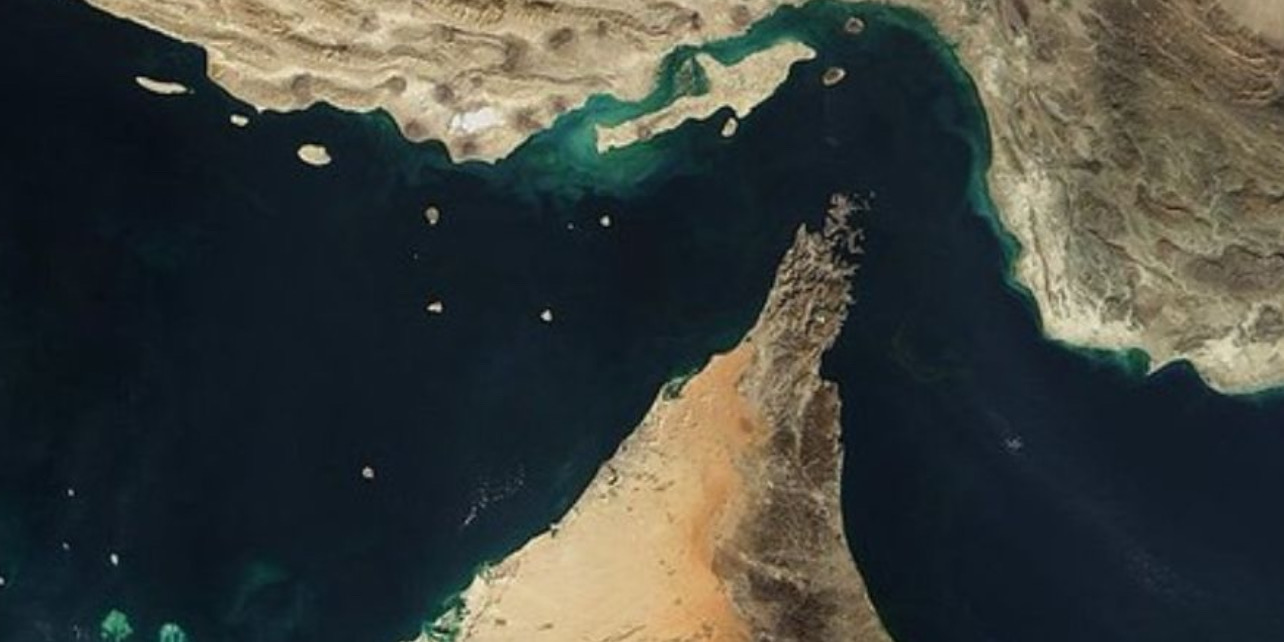
The UK government has agreed to allow the United States to use British military bases to carry out strikes on Iranian targets linked to attacks on shipping in the Strait of Hormuz, Downing Street has confirmed.
In a significant shift in policy, ministers said US forces would now be permitted to launch “defensive operations to degrade the missile sites and capabilities being used to attack ships” in the region.
Previously, the UK had only allowed US access to British bases for operations directly linked to threats against British interests. The new decision broadens that scope to include wider efforts to protect international shipping.
The move follows growing tensions in the Middle East, with Iran accused of targeting vessels in the Strait of Hormuz — a critical global route for oil and gas supplies.
A Downing Street spokesperson said: “Ministers condemned Iran’s expansion of its targets to include international shipping.
“They agreed that Iran’s reckless strikes… risked pushing the region further into crisis and worsening the economic impact being felt in the UK and around the world.”
The spokesperson added that the agreement would allow US operations aimed at preventing further attacks on vessels.
“They confirmed that the agreement for the US to use UK bases… includes US defensive operations to degrade the missile sites and capabilities being used to attack ships in the Strait of Hormuz.”
Despite the escalation, ministers insisted the UK is not entering the wider conflict.
“They reaffirmed that the principles behind the UK’s approach… remain the same… not getting drawn into the wider conflict.”
“They underlined the need for urgent de-escalation and a swift resolution to the war.”
The decision is likely to increase tensions with Tehran, which has already warned that allowing US forces to operate from British bases would be seen as direct involvement.
Iran’s foreign minister Abbas Araghchi said such actions would be viewed as “participation in aggression”.
“These actions will definitely be considered as participation in aggression and will be recorded in the history of relations between the two countries,” he said.
“At the same time, we reserve our inherent right to defend the country’s sovereignty and independence.”
The development comes as US President Donald Trump intensifies pressure on NATO allies to support efforts to reopen the Strait of Hormuz. He criticised allies for failing to provide naval support, describing them as “cowards” and claiming the task would involve “little risk”.
However, defence sources have warned that the situation remains highly dangerous, with few countries willing to deploy warships into the region amid the threat of Iranian retaliation.
UK military planners are already working with US Central Command to assess options for securing safe passage for oil tankers through the strait, which has been effectively disrupted by ongoing attacks.
Foreign Secretary Yvette Cooper has also urged Iran to de-escalate, condemning its strikes on Gulf states and critical energy infrastructure.
She warned Tehran against targeting UK bases or interests and called for the immediate restoration of freedom of navigation through the strait.
“The Foreign Secretary made clear… that the defensive UK operations… were a response to the Iranian aggression,” a Foreign Office statement said.
“She made clear that the UK wants to see a swift resolution to this conflict.”
Earlier, Downing Street defended its position, insisting Britain is not being drawn into a broader war.
However, Conservative leader Kemi Badenoch criticised the move, describing it as the “mother of all U-turns”.