
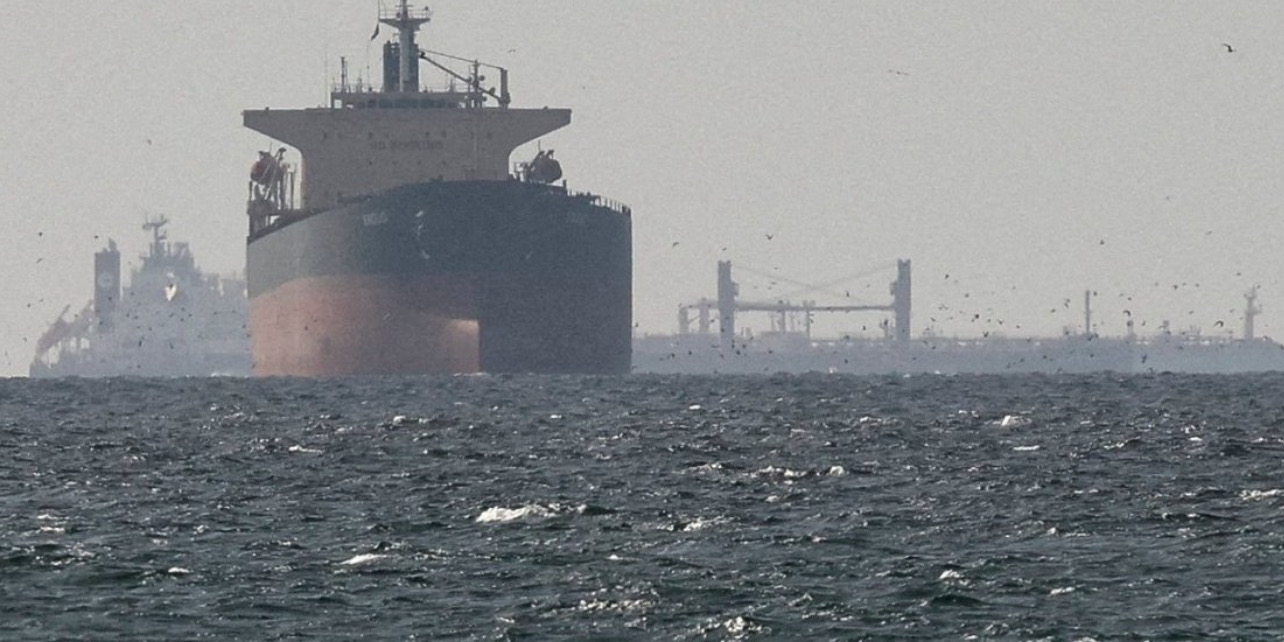
The UK could face further tax rises later this year as Chancellor Rachel Reeves confronts what experts are calling the most severe global energy crisis in history, triggered by escalating tensions in the Middle East.
Government finances have come under growing pressure as markets react to the conflict involving Iran, pushing UK borrowing costs to their highest levels since the 2008 financial crisis. Economists warn that rising inflation, higher debt servicing costs and the potential need for energy bill support could leave a significant gap in the Treasury’s fiscal plans.
The situation has been intensified by warnings from the International Energy Agency (IEA), which described the crisis as unprecedented in scale. Its executive director, Fatih Birol, said the conflict had already created “the greatest global energy security threat in history” and cautioned that restoring oil and gas flows from the Gulf could take six months or longer.
Such a prolonged disruption is expected to increase pressure on the government to support households facing soaring energy costs, raising questions over how such measures would be funded.
Treasury sources have insisted that Reeves remains committed to her fiscal rules, describing her approach as “ironclad, steadfast” — a stance that could make tax rises more likely if spending pressures increase.
Susannah Street, chief investment strategist at Wealth Club, warned that the government’s options are narrowing.
“Fresh tax rises do look possible at this stage given the Treasury is in an increasingly tight spot,” she said.
“With government borrowing costs rising to the highest level since 2008, it makes the challenge of balancing the books even harder.”
She added that political constraints on spending cuts could leave ministers with limited alternatives. “With the Government’s ability to trim spending curtailed by the threat of backbench revolt, ministers may be forced into another round of tax rises.”
The Institute for Fiscal Studies has also warned that higher inflation will increase welfare spending, while rising interest rates could erode the Chancellor’s financial “headroom” — the margin available to meet fiscal targets.
Andrew Goodwin, chief UK economist at Oxford Economics, said there was a “substantial indirect risk” to this headroom if the government proceeds with plans to support households.
“If markets don’t like such a package… then gilt yields will rise and the cost of servicing the government’s debts will increase, narrowing the headroom,” he said.
Willem Buiter, a former member of the Bank of England’s Monetary Policy Committee, echoed those concerns, warning there is “little fiscal space” for widespread support and that “markets would react badly”.
Economists say any large-scale intervention to help with energy bills could come at a significant cost. A previous £200 discount scheme introduced in October 2022 was estimated to cost around £6bn, highlighting the scale of potential spending required.
Ed Jones, professor of economics at Bangor University, said the government faces difficult choices.
“In terms of tax rises, that seems to be the most logical way to pay for it,” he said.
“But any extra tax rises threaten economic growth further – and it’s already very slow at the moment. The Government needs to think very hard on how to finance this.”
Within government, there are growing calls to reconsider current fiscal rules, which restrict borrowing for day-to-day spending while requiring debt to fall over time.
Reports suggest Culture Secretary Lisa Nandy has urged ministers to “rethink” the borrowing framework to allow for greater support during the crisis.
However, Downing Street has so far resisted committing to any specific measures, saying it is too early to determine the appropriate response.
A spokesperson for the Prime Minister said: “We know that families are worried about the impacts on their finances, and that’s why this government is facing working people’s corner.”
With energy prices rising and global uncertainty deepening, pressure is mounting on the government to act — even if it means difficult decisions on taxation and spending in the months ahead.