
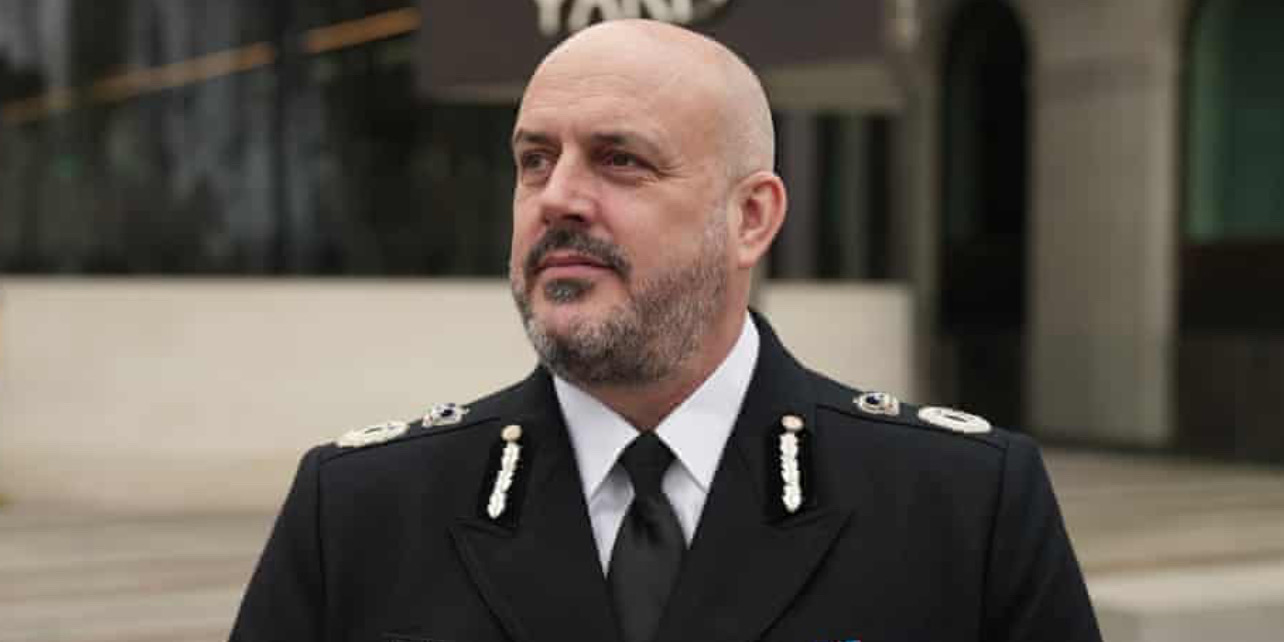
The sharp rise in UK national security threats has raised alarm among senior police officials, after counter-terrorism leaders confirmed a 50% increase in investigations linked to hostile states such as Iran, Russia and China within just six months.
The warning comes as authorities continue to examine the possible involvement of an Iran-linked group in a recent arson attack targeting community ambulances in north London, highlighting growing concerns over foreign interference and security risks across the UK.
Assistant Metropolitan Police Commissioner Laurence Taylor said the surge in UK national security threats reflects a broader and sustained escalation in hostile state activity, which is now forming a significant part of the UK’s national security workload.
Sharp rise in hostile state activity
Counter-terrorism policing has recorded a dramatic increase in investigations under the National Security Act, with cases rising by 50% in the six months leading up to December.
This surge builds on an even longer-term trend, with officials noting a fivefold increase in such investigations over the past four to five years.
Taylor said the majority of cases are linked to three key state actors: Iran, Russia and China, which are increasingly accused of carrying out activities including espionage, sabotage and influence operations within the UK.
He described the trend as “very significant,” warning that hostile state activity is now a major and growing component of policing efforts.
London ambulance attack under investigation
The warning comes amid an ongoing investigation into a firebombing attack in Golders Green, north London, where four ambulances belonging to a Jewish charity were set alight.
The vehicles, operated by Hatzola, were parked near a synagogue when they were targeted in the early hours of Monday, triggering explosions believed to be linked to onboard gas canisters.
A group calling itself Harakat Ashab al-Yamin al-Islamia has claimed responsibility for the attack, though authorities have not verified the claim.
Police are currently treating the incident as an antisemitic hate crime rather than terrorism, but have not ruled out links to foreign-backed actors.
Increased security for Jewish communities
In response to heightened concerns, the Metropolitan Police has deployed additional resources to protect Jewish communities, particularly ahead of the Passover period.
More than 260 extra officers, along with specialist units including armed officers and drone teams, have been assigned to boost security across London.
Officials say the move is aimed at reassuring communities and preventing further incidents during a period of increased vulnerability.
Political pressure and immigration debate
The rise in UK national security threats has also intensified political debate, with calls for stronger measures to tackle antisemitism and foreign influence.
Conservative leader Kemi Badenoch has urged tougher action, including sanctions against individuals inciting hatred and stricter immigration controls.
She argued that the government must go beyond increasing security and address underlying causes, including extremist views being imported from abroad.
Her comments have sparked debate over the role of immigration policy in national security and social cohesion.
Government response and community support
Prime Minister Keir Starmer has pledged government support following the ambulance attack, confirming that the cost of replacing the destroyed vehicles will be covered.
Temporary ambulances have already been provided to ensure that emergency services in the affected community continue without disruption.
Meanwhile, King Charles has accepted a new role as patron of the Community Security Trust (CST), an organisation dedicated to protecting Jewish communities in the UK.
The move is seen as a strong signal of support amid rising concerns over antisemitism.
Growing global tensions impacting UK security
The increase in UK national security threats reflects a wider pattern of rising geopolitical tensions, particularly following conflicts involving Iran and ongoing tensions with Russia and China.
Security experts have warned that hostile states are increasingly using unconventional tactics, including cyber operations, disinformation campaigns and proxy groups, to exert influence abroad.
The UK’s National Security Act, introduced to counter such threats, has expanded the powers available to law enforcement agencies to investigate and prosecute foreign interference.
Rising antisemitism and security concerns
The latest developments come against a backdrop of rising antisemitic incidents across the UK and Europe.
Since the escalation of conflict in the Middle East in late 2023, community groups have reported increased threats and attacks targeting Jewish individuals and institutions.
Authorities have responded by stepping up security measures and working closely with community organisations to monitor risks and provide protection.
Balancing security and civil liberties
As the number of UK national security threats grows, policymakers face the challenge of strengthening security while safeguarding civil liberties.
Debates around immigration, surveillance and policing powers are expected to intensify as the government seeks to respond to evolving threats.
Experts have stressed the importance of coordinated international action, as hostile state activity increasingly crosses borders and involves complex networks.
Outlook: Continued vigilance required
Officials have made clear that the rise in cases is unlikely to be temporary, with security agencies preparing for continued pressure in the months ahead.
The combination of geopolitical instability, technological change and evolving tactics by hostile states is expected to keep national security high on the UK’s political and policing agenda.
Authorities have urged the public to remain vigilant and report any suspicious activity, as part of a broader effort to counter the growing threat landscape.