
The UK military deployment Gulf has been significantly expanded, with Britain increasing its presence to around 1,000 troops across the Middle East in response to escalating regional threats linked to Iran.
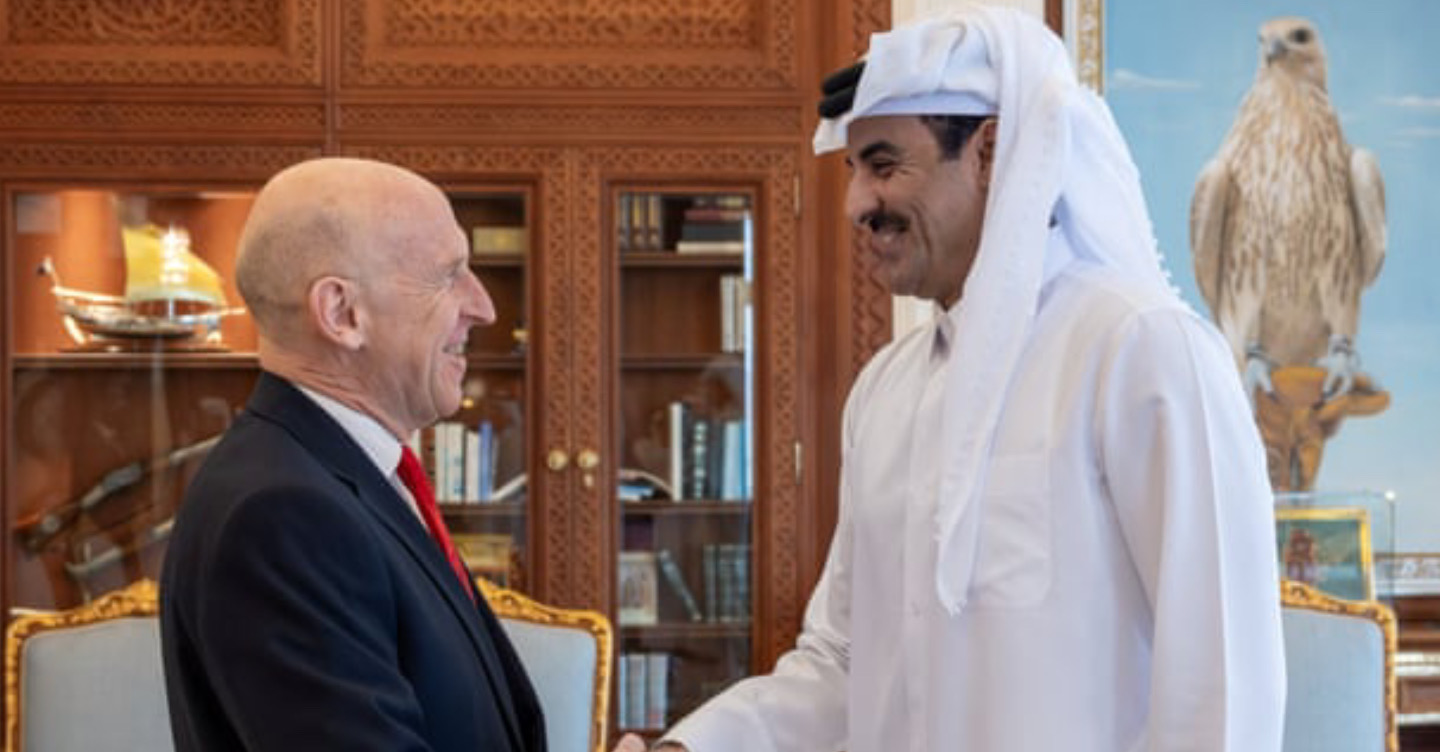
Speaking during a visit to Qatar, Defence Secretary John Healey confirmed that additional forces, fighter jets and missile defence systems are being deployed as part of what he described as a necessary response to an “expanding threat” in the region.
Increased troop presence and military assets
The latest UK military deployment Gulf includes reinforcements to British bases and support for allied nations across the region.
The UK is sending additional Typhoon fighter jets to Qatar and deploying the Sky Sabre air defence system to Saudi Arabia, Bahrain and Kuwait. The system, operated by the Royal Artillery, is designed to intercept drones, missiles and aircraft, strengthening regional air defence capabilities.
Officials said the deployment is focused entirely on defensive operations, aimed at protecting British personnel and supporting allies rather than engaging in direct offensive action.
Response to rising regional tensions
The expanded UK military deployment Gulf comes amid heightened tensions following ongoing conflict involving Iran and its regional activities.
Healey warned that Iranian drones and missile systems are increasingly targeting critical infrastructure in Gulf countries, including industrial facilities and civilian sites. He said the UK’s response is intended to counter these threats and stabilise the situation.
During his visit, the defence secretary held high-level talks with Gulf leaders, including heads of government and defence officials, to coordinate security efforts and discuss regional stability.
Strait of Hormuz at centre of discussions
A key focus of the UK military deployment Gulf strategy is the security of the Strait of Hormuz, one of the world’s most important shipping routes.
Healey said discussions with regional partners centred on ensuring safe passage through the strait, which carries a significant share of global oil and gas supplies. Concerns have grown that disruption could have major economic consequences worldwide.
He emphasised that any solution would require a multinational approach, combining military and diplomatic efforts to prevent further escalation and ensure continued maritime security.
UK rejects involvement in offensive operations
Despite the expanded UK military deployment Gulf, the British government has made clear it will not participate in offensive military operations against Iran.
Prime Minister Keir Starmer has maintained that the UK’s priority is to defend its interests and support allies without being drawn into a wider conflict.
This position has drawn criticism from Donald Trump, who has publicly criticised the UK and other allies for refusing to take part in more aggressive military actions.
Trump suggested that allies should take greater responsibility for regional security, while UK officials have reiterated that their approach is based on national interest and risk management.
Strengthening regional defence partnerships
The UK military deployment Gulf also reflects Britain’s long-standing defence partnerships in the Middle East.
The deployment of advanced systems such as Sky Sabre is part of broader efforts to integrate UK capabilities with those of Gulf allies, enhancing collective defence against aerial threats.
The Royal Air Force has maintained a presence in the region for years, including joint operations and training exercises with partner nations such as Qatar.
UK military role in the Gulf
The UK has maintained a strategic military presence in the Gulf for decades, driven by the region’s importance to global energy supplies and international trade.
Recent tensions involving Iran, as well as broader geopolitical shifts, have led to renewed focus on maritime security and air defence in the area.
The UK military deployment Gulf builds on previous operations aimed at protecting shipping lanes and supporting allied nations against threats such as drone attacks and missile strikes.
Outlook and next steps
As tensions continue, the scale and duration of the UK military deployment Gulf will likely depend on developments in the region and the effectiveness of diplomatic efforts to reduce conflict.
British officials have stressed that while military readiness is essential, long-term stability will require coordinated international action beyond defence measures alone.
For now, the UK’s expanded presence signals a commitment to regional security while maintaining a cautious stance on direct involvement in offensive operations.