
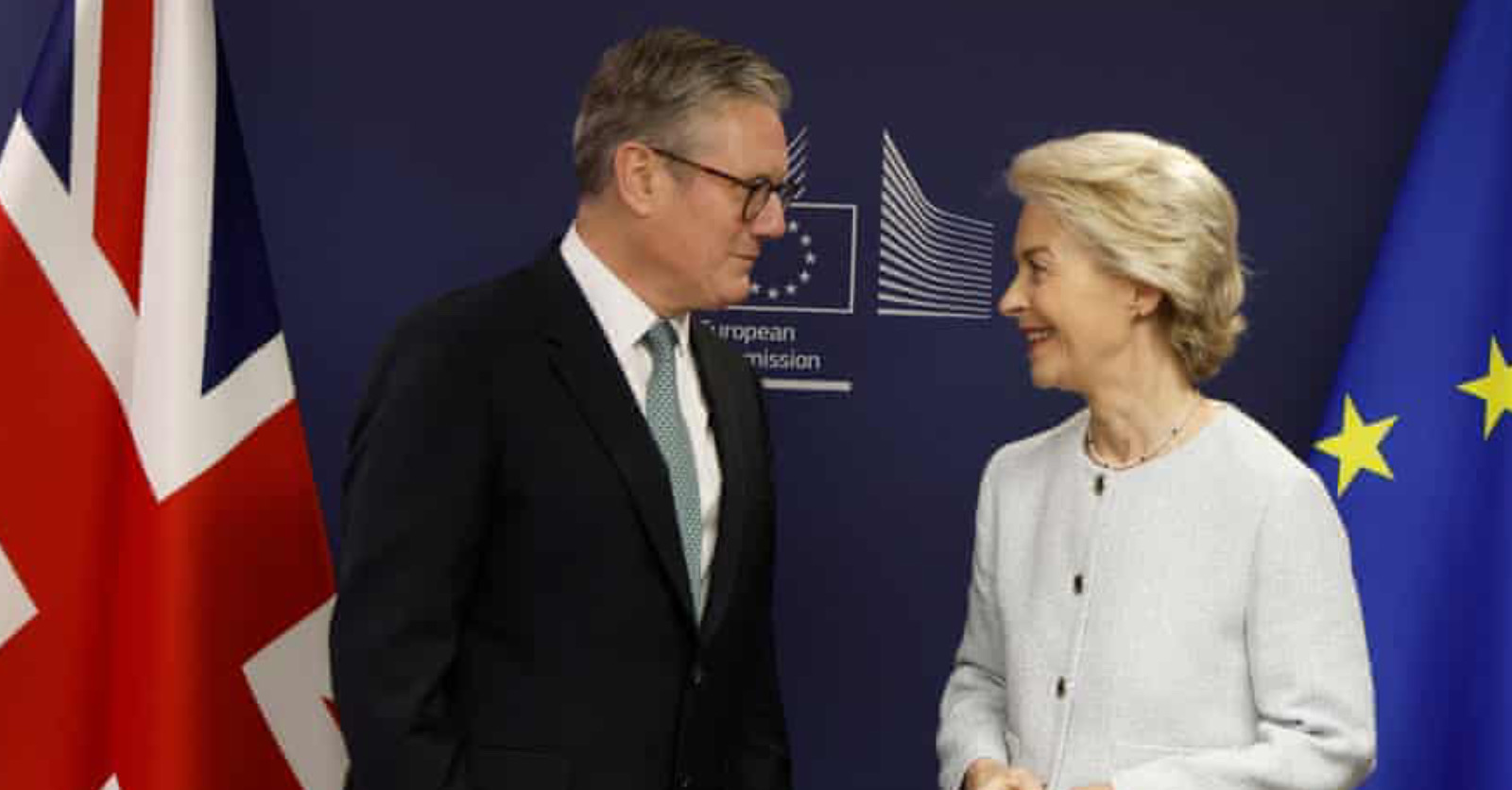
The UK government is preparing sweeping changes to its relationship with the European Union through a proposed UK EU dynamic alignment strategy that could allow ministers to adopt EU single market rules without full parliamentary votes.
Under plans linked to a forthcoming EU-UK reset bill, ministers aim to streamline regulatory cooperation with the European Union, enabling faster implementation of agreements in key sectors such as food, trade and emissions. The move marks a significant shift in post-Brexit policy as the government seeks closer economic ties with Europe while maintaining formal independence.
New Bill Could Expand Ministerial Powers
At the centre of the proposal is legislation expected to be introduced before the summer, which would grant ministers expanded authority to align UK regulations with evolving EU rules using secondary legislation.
These powers, often referred to as “Henry VIII powers,” would allow the government to implement changes without the need for a full parliamentary vote on each adjustment. Parliament would retain the ability to approve or reject measures but would not be able to amend them.
Supporters argue this approach would reduce delays and provide flexibility in responding to changes in EU regulations, particularly in areas where the UK has already agreed to cooperate.
Economic Pressures Drive Policy Shift
The push for UK EU dynamic alignment comes amid growing economic pressures, including rising costs linked to global instability and the impact of recent geopolitical tensions.
Ministers believe closer regulatory alignment with the EU could boost trade, reduce friction at borders and support economic growth. The Office for Budget Responsibility has previously estimated that Brexit could reduce long-term productivity and trade volumes, reinforcing arguments for improved economic cooperation.
Officials also point to the EU as the UK’s largest trading partner, accounting for nearly half of total trade, making smoother regulatory alignment a key priority for businesses.
Trade Deals and Sectoral Cooperation
The proposed legislation is expected to underpin new agreements covering sectors such as food and drink, automotive manufacturing and emissions trading.
By allowing dynamic alignment, the government aims to ensure that UK standards remain compatible with EU requirements, facilitating exports and reducing compliance costs for companies.
Ministers argue that this approach will cut red tape, support British industries and help stabilise supply chains that have faced disruption since Brexit.
Critics Warn of Reduced Parliamentary Oversight
The plan has drawn criticism from political opponents and policy experts, who argue that the use of secondary legislation could limit democratic scrutiny.
Concerns have been raised that aligning with EU rules without full parliamentary debate risks reducing transparency and accountability in the lawmaking process.
Some critics have described the approach as a form of integration without formal membership, warning that the UK could be bound by rules it has no direct role in shaping.
Political Tensions Expected Over Legislation
The bill is likely to face significant political resistance, particularly from parties and figures advocating a more distant relationship with the EU.
Debate is expected to intensify in both the House of Commons and the House of Lords, where lawmakers may challenge the extent of the powers granted to ministers.
Despite this, the government is confident the legislation will pass, given its parliamentary majority, although amendments and delays remain possible.
Balancing Sovereignty and Economic Access
The UK EU dynamic alignment strategy reflects a broader dilemma facing post-Brexit Britain: balancing regulatory independence with the economic benefits of close integration.
While leaving the EU restored formal control over domestic laws, it also introduced barriers to trade that have affected businesses and supply chains.
The proposed approach seeks to navigate this trade-off by maintaining sovereignty while selectively aligning with EU standards where it benefits the national interest.
Resetting UK-EU Relations
The legislation forms part of a wider effort by the government to reset relations with the EU following years of strained ties.
Recent discussions have focused on strengthening cooperation in trade, security and migration, with both sides expressing interest in building a more stable and productive partnership.
This shift reflects changing geopolitical realities and the need for closer collaboration between European allies in an increasingly uncertain global environment.
Outlook as Bill Approaches Parliament
As the government prepares to introduce the bill, the debate over UK EU dynamic alignment is set to become a central issue in British politics.
Supporters see the plan as a pragmatic step to support economic growth and reduce trade barriers, while critics warn of risks to parliamentary oversight and national autonomy.
The outcome of this legislative process will play a crucial role in shaping the future of the UK’s relationship with the European Union and its position in the global economy.