
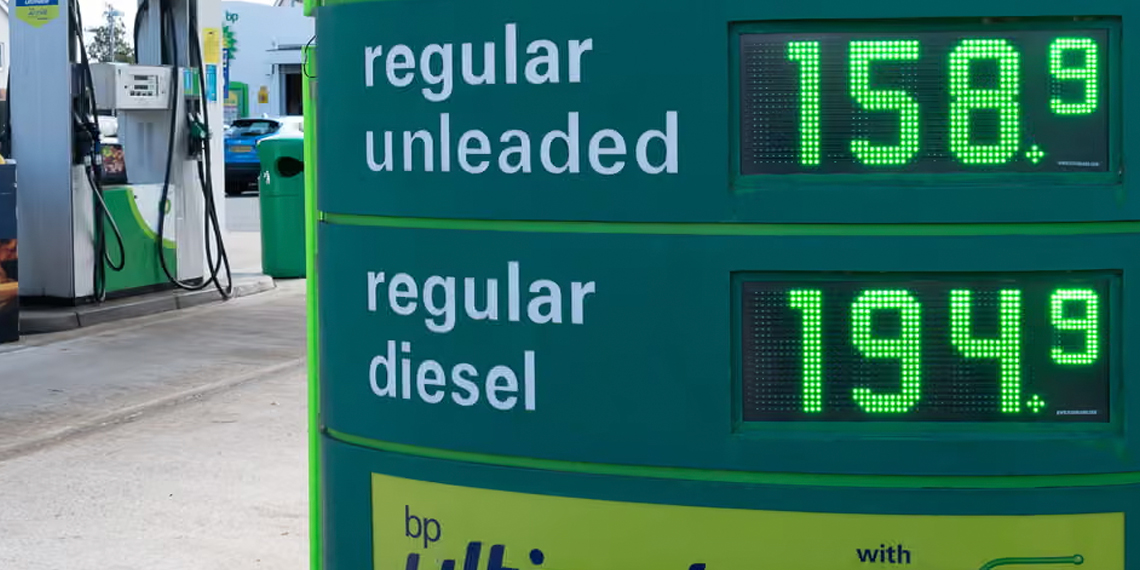
The rising UK energy prices impact is set to weigh heavily on household finances, with a leading thinktank warning that Britons could be nearly £500 worse off this year due to escalating costs linked to the Iran conflict.
According to analysis by the Resolution Foundation, surging oil and gas prices are expected to push living standards into decline, reversing earlier forecasts of modest income growth and increasing pressure on families already struggling with the cost of living.
Energy Costs Drive Decline in Living Standards
The report highlights how higher energy bills and fuel costs are combining to reduce disposable income for households across the UK.
Before the outbreak of conflict in the Middle East, typical working-age households were expected to see income growth of around 0.9% this year. However, the latest projections suggest incomes could now fall by 0.6%, representing a swing of approximately £480 per household.
The shift reflects sharp increases in global energy prices, with Brent crude oil climbing back above $100 per barrel as tensions in the region intensify.
Global Conflict Fuels Price Volatility
The surge in energy costs has been driven by geopolitical instability following the escalation of conflict involving Iran, which has disrupted supply chains and heightened uncertainty in global markets.
Concerns over shipping routes, particularly the strategic Strait of Hormuz, have added to volatility, as a significant share of global oil exports passes through the region.
Analysts warn that continued instability could keep prices elevated in the coming months, prolonging the financial strain on households.
Limited Relief for Low-Income Households
While some support measures are in place, the report suggests that gains for lower-income households will be limited.
Although benefits have increased in real terms, income growth for the poorest fifth of households is now expected to reach just 1.2% this year, significantly lower than earlier forecasts of 2.8%.
However, families with three or more children in the lower half of the income distribution may see stronger gains due to policy changes such as the removal of the two-child benefit cap.
Energy Bills Set to Rise Further
Experts warn that energy bills are likely to increase again in the coming months, particularly as seasonal demand rises.
Any savings from recent adjustments to the energy price cap are expected to be offset by higher wholesale costs, leaving households exposed to further financial pressure.
The combined effect of rising utility bills and fuel prices is expected to erode purchasing power and limit consumer spending.
Calls for Targeted Government Support
In response to the growing crisis, the Resolution Foundation has urged the government to introduce a targeted “social tariff” to help vulnerable households manage rising energy costs.
The proposed measure would provide discounted energy rates for lower-income families, with an estimated cost of £3.7bn.
Supporters argue that such a policy would offer more effective assistance than broad-based subsidies, ensuring help reaches those most in need.
Debate Over Funding and Policy Options
The idea of a social tariff has gained support from policymakers, including Jeremy Hunt, who described it as a promising approach to addressing energy affordability.
However, funding such measures remains a challenge, with proposals suggesting that higher-income households may need to contribute more to subsidise lower bills for those on the scheme.
This raises political and economic questions about how best to balance support with fiscal responsibility.
Lessons from Previous Energy Crises
The current situation has drawn comparisons with the energy crisis of 2022, when prices surged due to geopolitical tensions following Russia’s invasion of Ukraine.
At that time, the government introduced broad support measures to shield households from rising costs, but experts caution that similar large-scale interventions may not be feasible under current fiscal constraints.
Long-Term Energy Security Challenges
The crisis has also renewed focus on the UK’s long-term energy strategy, including the need to reduce reliance on imported fossil fuels.
Industry leaders, including Energy UK, have highlighted the importance of accelerating the transition to renewable energy sources to enhance energy security and stability.
Reducing dependence on volatile global markets is seen as key to protecting households from future price shocks.
With energy prices expected to remain high and economic uncertainty persisting, the outlook for UK households remains challenging.
Even if geopolitical tensions ease, the financial impact of recent price increases is likely to be felt throughout the year.
The government faces mounting pressure to act quickly to support households and mitigate the effects of the UK energy prices impact on living standards.