
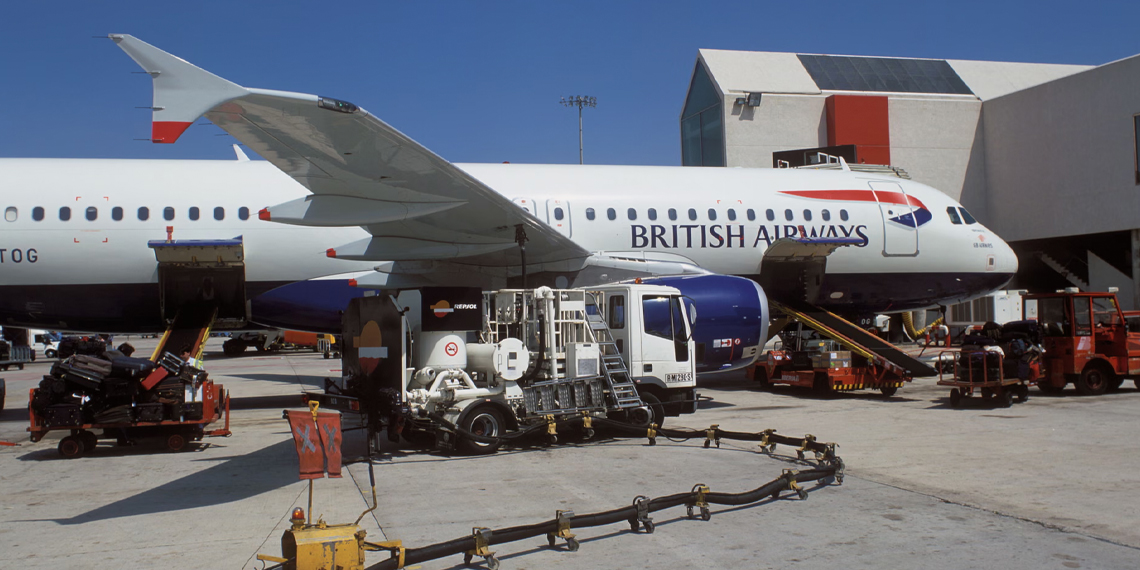
Europe could run out of jet fuel within six weeks if disruption from the Iran conflict continues, raising the risk of flight cancellations and wider travel disruption, according to the head of a global energy watchdog.
Fatih Birol, head of the International Energy Agency, warned that airlines could soon be forced to cancel routes if oil supplies from the Middle East are not restored.
He said the situation is already putting pressure on global fuel markets and could quickly translate into operational disruption for airlines.
Birol warned that the aviation sector could begin seeing cancellations “soon” as jet fuel inventories are drawn down across Europe.
He added that the ongoing conflict in Iran has severely disrupted global energy flows, particularly through the Strait of Hormuz, a key shipping route for oil exports from the Gulf region.
The conflict, involving the US and Israel, has triggered volatility in global oil markets since late February, pushing fuel prices significantly higher.
According to industry estimates, Europe typically holds around six weeks of jet fuel reserves under normal conditions. However, with disrupted supply chains and reduced shipments from the Middle East, those reserves are now under strain.
Airports Council International Europe previously warned that the region could face fuel shortages within weeks if supply routes remain affected.
Birol said the situation is now approaching critical levels, with limited alternative sources able to replace disrupted Gulf exports.
Brent crude prices remain more than 30% higher than before the conflict began, reflecting ongoing concerns about supply security and global energy stability.
The Strait of Hormuz, one of the world’s most important oil transit routes, has been effectively restricted, forcing global buyers to compete for alternative supplies.
Energy analysts warn that prolonged disruption could continue to push up petrol, gas and electricity prices worldwide, adding to inflationary pressures.
Some airlines have already begun cancelling or reducing less profitable routes in response to higher fuel costs.
Carriers without strong fuel hedging arrangements are particularly exposed, with rising jet fuel prices squeezing margins across the aviation industry.
However, not all airlines are yet experiencing shortages. easyJet said it currently has sufficient fuel coverage for the coming weeks.
Chief executive Kenton Jarvis said the airline has visibility of fuel supply through mid-May and is not currently concerned about availability.
Energy experts warn that continued disruption could have wider economic consequences beyond aviation, including higher transport costs, increased inflation, and pressure on household energy bills.
Birol warned that prolonged instability in the Middle East could slow global economic growth, with some regions more heavily affected than others.
He added that while markets are still functioning, the situation is becoming increasingly fragile as fuel reserves are drawn down and supply chains remain under pressure.