
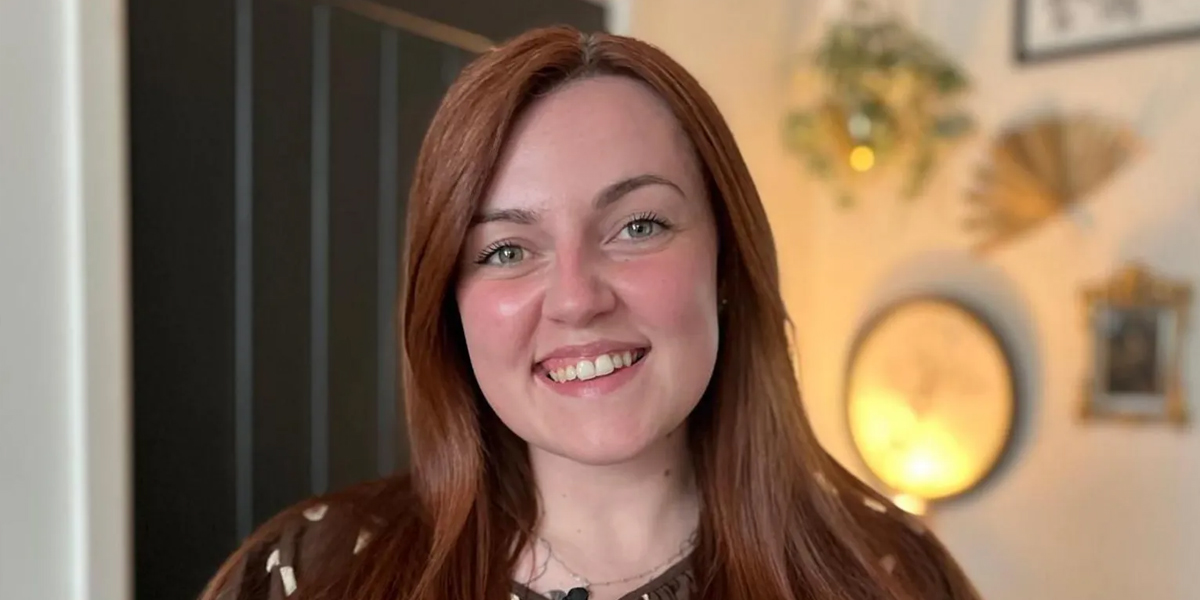
The deepening NHS waiting times Wales crisis is placing mounting pressure on patients, with one woman revealing she is currently on six separate waiting lists while battling a life-altering condition. Her case highlights the growing strain on NHS Wales, where hundreds of thousands of patients are still awaiting treatment.
Amy-Jane Davies, 30, from south Wales, says the constant effort of chasing updates on her treatment has taken over her daily life. She has already waited 21 months for a gynaecological procedure, with further delays expected as her treatment pathway becomes increasingly complex.
Long waits for endometriosis treatment impacting daily life
Amy-Jane was diagnosed with Endometriosis in 2018, a condition where tissue similar to the womb lining grows elsewhere in the body, often causing severe pain and complications. Her symptoms include abdominal cramping, bloating, fatigue, migraines, and bladder and bowel issues.
She is currently one of more than 43,000 patients waiting for gynaecology treatment in Wales and among nearly 688,000 people on waiting lists for various NHS procedures.
Her situation reflects a broader challenge across the Welsh healthcare system, where waiting times for certain specialties have remained significantly above pre-pandemic levels.
Amy-Jane says the uncertainty and repeated delays have affected her mental health, work, and personal life, including the difficult decision not to pursue motherhood due to her condition.
Private treatment costs out of reach for many patients
After years of waiting, Amy-Jane previously paid £4,000 for private surgery during the pandemic, which removed some of the endometriosis. However, further complications involving her bowel now require specialist surgery involving multiple consultants.
She has been told that a private procedure could cost at least £15,000—an amount she says is unaffordable given her reduced working hours and financial commitments.
The case reflects a wider trend in Wales, where increasing numbers of patients are turning to self-funded private healthcare due to long NHS delays, despite the high costs involved.
Gynaecology among longest waiting specialties
Data from the Royal College of Obstetricians and Gynaecologists shows that gynaecology is one of the specialties with the longest waiting lists in Wales, alongside trauma and orthopaedics.
Compared to other parts of the UK, Wales has one of the highest waiting times for gynaecological care, second only to Northern Ireland. Although numbers have fallen slightly from their peak in 2025, they remain significantly elevated compared to pre-Covid levels.
Experts say delays are driven by multiple factors, including staff shortages, limited operating theatre availability, and rising demand for services.
Workforce pressures and limited capacity worsening delays
Healthcare professionals warn that workforce burnout and limited resources are major contributors to the NHS waiting times Wales crisis. Access to surgical theatre space remains a key bottleneck, with competing priorities across different medical specialties.
Specialists also note that delays in treatment can lead to worsening conditions, forcing some patients to seek emergency care or require more complex interventions later.
For many women, prolonged waiting times can disrupt work, family life, and overall wellbeing, with conditions such as endometriosis continuing to progress during delays.
Political debate intensifies ahead of Welsh elections
With the Senedd election approaching, NHS waiting times have become a central political issue. Parties across the political spectrum have proposed various solutions, including increasing workforce capacity, expanding diagnostic services, and investing in surgical hubs.
Some proposals focus on improving early access to care through primary services, while others aim to address hospital capacity and reduce waiting lists through targeted reforms.
Despite differing approaches, there is broad agreement that the current system requires significant investment and structural change to meet demand.
Long-term impact of pandemic on NHS waiting lists
The NHS waiting times Wales crisis has its roots in the Covid-19 pandemic, which caused widespread disruption to routine healthcare services. Elective procedures were postponed, and resources were redirected to emergency care, leading to a backlog that continues to affect patients today.
Although waiting lists have shown some recent improvement, recovery has been slow due to ongoing staffing challenges, increased patient demand, and financial pressures on the healthcare system.
The Welsh government has introduced a women’s health plan and other initiatives aimed at improving care pathways, but experts say more targeted investment and measurable progress are needed to reduce waiting times effectively.
For patients like Amy-Jane, the situation remains deeply personal, with long waits not only delaying treatment but reshaping lives in ways that extend far beyond the healthcare system.